One of the most stubborn myths in nutrition is that eating well is a luxury. It is true that certain health-branded products carry premium prices, but the foundations of a genuinely nutritious diet, beans, grains, eggs, frozen vegetables, seasonal produce, are among the cheapest items in any grocery store. Eating well on a tight budget is less about sacrifice and more about strategy: knowing which foods deliver the most nutrition per unit of money, shopping deliberately, and wasting nothing. Here is how to do it.
Start With the Value Champions
Every grocery store contains a short list of foods that are simultaneously cheap, nutritious, and versatile, and a budget kitchen is built on them. Dried and canned beans, lentils, and chickpeas top the list, delivering protein and fiber for a fraction of the price of meat. Eggs remain one of the least expensive complete proteins available. Oats, rice, and whole grain pasta provide filling, fiber-friendly carbohydrates for very little.
On the produce side, the reliable bargains tend to be cabbage, carrots, onions, potatoes, sweet potatoes, and bananas, along with whatever is in season locally. Canned fish such as tuna and sardines offers protein and beneficial fats at a modest price. Peanut butter, plain yogurt in large tubs, and frozen vegetables round out the core. A pantry anchored by these items can produce balanced meals all week at a cost that surprises most people.
Frozen and Canned Are Not Second-Class
A quiet prejudice holds that fresh is always best, but frozen fruits and vegetables are typically processed within hours of harvest, locking in their nutrients, and they routinely cost less than fresh, especially out of season. They also eliminate the most expensive problem in any kitchen: spoilage. A bag of frozen spinach never turns to sludge in the crisper drawer.
Canned goods deserve the same rehabilitation. Canned tomatoes, beans, corn, pumpkin, and fish are nutritious, shelf-stable, and cheap. Choosing low-sodium versions or giving canned vegetables a quick rinse addresses the main drawback. For fruit, versions packed in juice rather than syrup keep added sugar in check. A budget shopper who embraces the freezer aisle and the canned section gains both savings and flexibility, with fresh produce reserved for what will genuinely be eaten quickly.
Shop With a Plan, Not a Mood
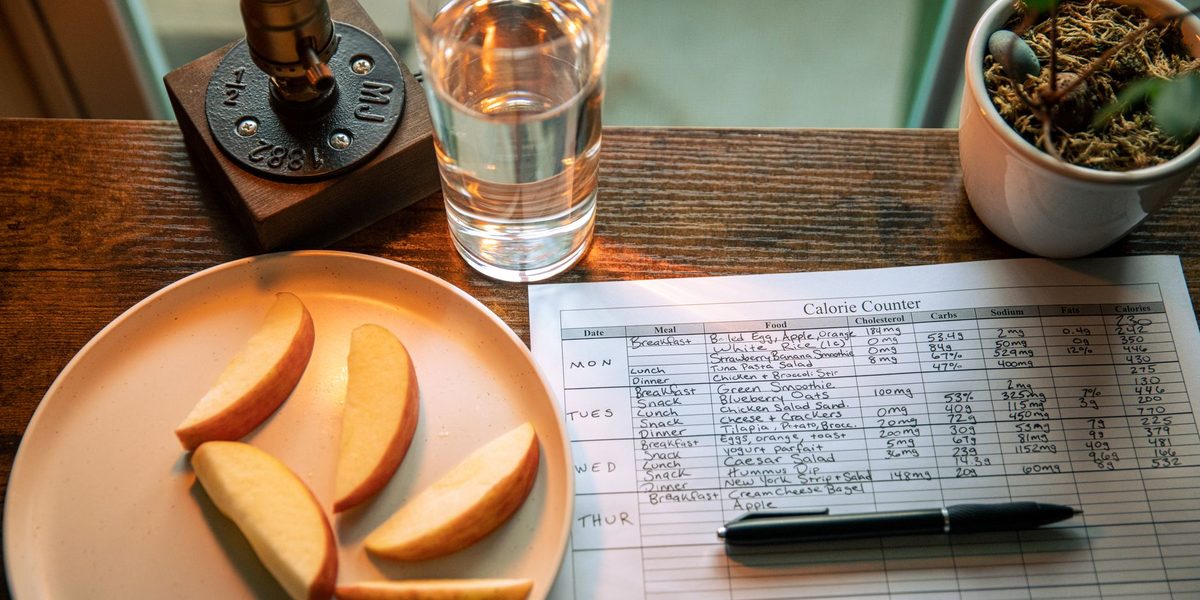
Most overspending happens before the checkout, in dozens of small unplanned decisions. The antidote is a short routine: check what you already have, sketch the week's meals around it and around what is on sale, write a list, and shop after eating rather than hungry. A list is not a straitjacket; the useful flexibility is swapping within categories when something cheaper appears, such as whichever green vegetable costs least this week.
- Compare unit prices on the shelf tag rather than package prices, since packaging sizes are designed to confuse.
- Look at upper and lower shelves, where cheaper brands often live, and give store brands a fair trial.
- Buy whole foods over pre-cut and pre-portioned versions; convenience is the most expensive ingredient in the store.
- Stock up on true staples when they go on sale, but only on things you already use.
None of these tactics is dramatic on its own, and together they routinely trim a meaningful share off a grocery bill without removing a single nutrient from the cart.
Stretch Meat Instead of Cutting It
Meat is often the most expensive line on the receipt, and the budget move is not necessarily eliminating it but stretching it. Dishes from nearly every cuisine were designed to do exactly this: chilis, curries, stews, stir-fries, soups, and pasta sauces where a modest amount of meat flavors a large pot filled out with beans, lentils, vegetables, and grains. Half the meat, all of the satisfaction, and better fiber numbers as a bonus.
When buying meat, cheaper cuts repay a little patience: tougher cuts become tender with slow cooking, whole chickens cost less per portion than parts and yield bones for stock, and family packs portioned into the freezer bring down the per-meal cost. Adding one or two fully meatless dinners per week, built on eggs or legumes, compounds the savings further while keeping meals varied rather than restricted.
Waste Is the Hidden Grocery Bill
A substantial share of household food is thrown away, which means many kitchens could effectively cut prices simply by eating what they buy. The habits are mundane and powerful. Store food properly so it lasts. Keep an eat-first shelf in the fridge for items nearing their end. Treat best-before dates as quality guidance rather than safety deadlines for most shelf-stable foods, while still respecting use-by dates on perishables.
Build a weekly leftovers meal, a soup, fried rice, frittata, or grain bowl, that sweeps up odds and ends before they expire. Freeze bread, overripe bananas, surplus herbs, and half-used cans before they turn. Cooked-too-much is a freezer deposit, not a burden. Every rescued ingredient is money already spent that stays on the plate instead of in the bin, and for most households this is the single largest untapped saving.
Cook Simple, Repeatable Meals
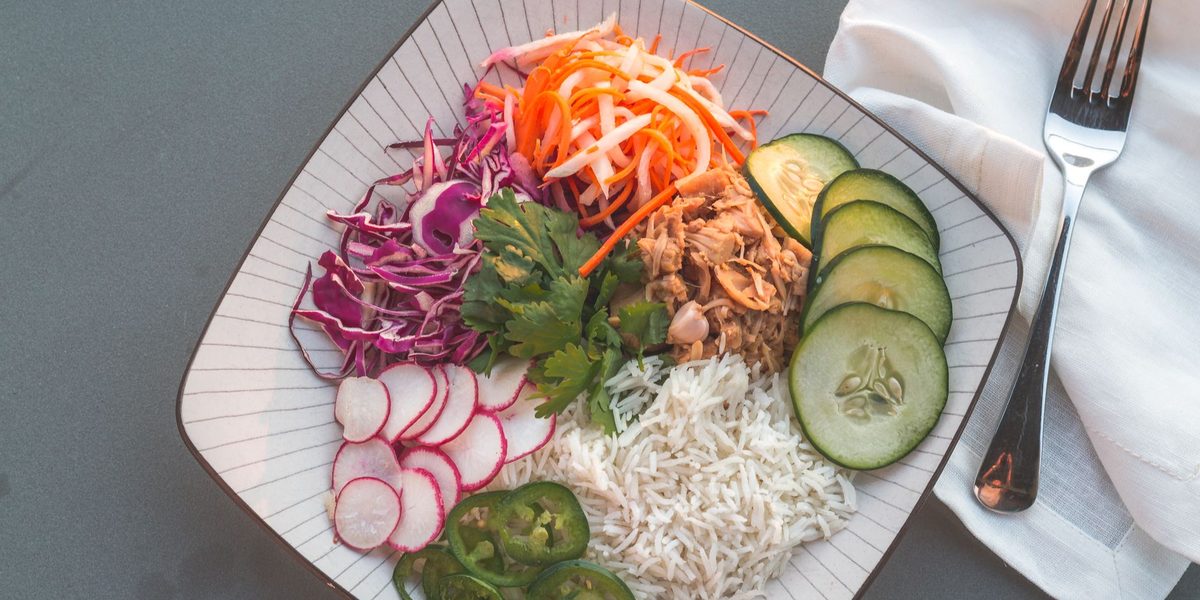
Budget eating collapses when it depends on elaborate recipes with long ingredient lists. The sustainable version is a rotation of five to ten simple templates that use overlapping ingredients: lentil soup, bean chili, egg fried rice, pasta with tomato sauce and vegetables, baked potatoes with toppings, oatmeal variations, stir-fries, and frittatas. Overlapping ingredients mean nothing languishes half-used, and familiarity makes cooking fast enough to beat takeout on effort as well as cost.
Batch cooking multiplies the advantage. A single session producing a pot of chili and a tray of roasted vegetables yields multiple meals for pennies per serving, and portions in the freezer are the strongest possible defense against the delivery apps, which are where food budgets truly go to die. Spices, dried herbs, vinegar, and a few condiments are the cheapest insurance against boredom, transforming the same base ingredients into entirely different dinners.
Know Where Not to Spend
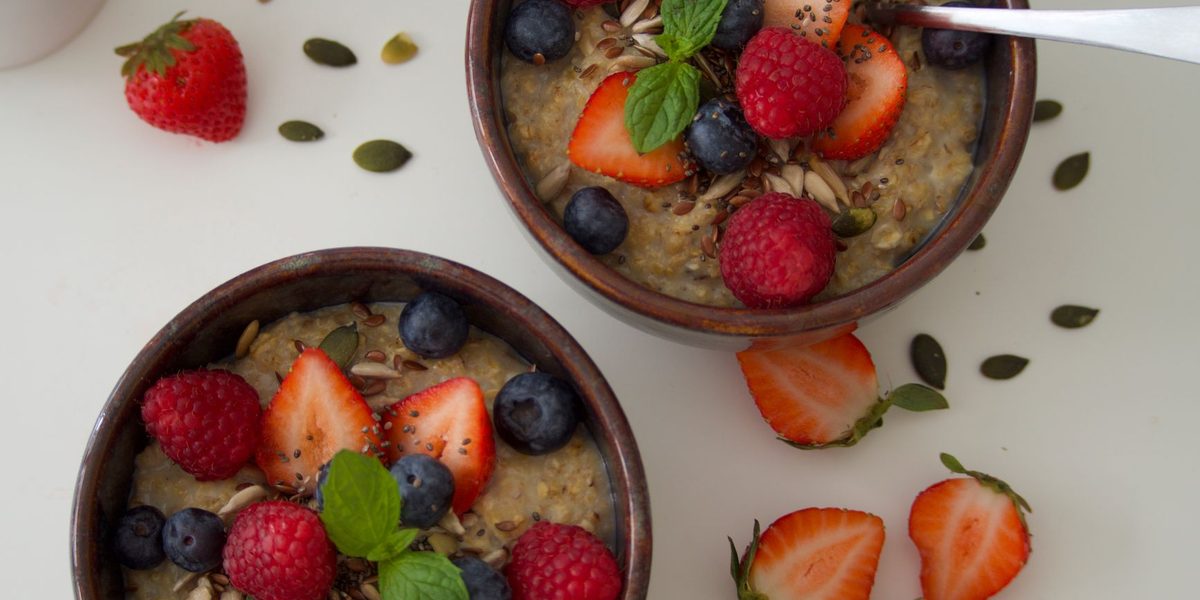
Part of budget nutrition is recognizing which premiums buy little. Health-branded snacks, detox products, most supplements for generally healthy people, bottled smoothies, and single-serve anything carry margins far beyond their nutritional contribution. Fancy granola is oats with a markup; flavored instant oatmeal is plain oats plus sugar and a higher price. Plain versions of yogurt and oats, dressed up at home with fruit and cinnamon, beat their pre-flavored cousins on both cost and added sugar.
The same skepticism applies to superfood marketing. No single exotic ingredient meaningfully changes a diet, while the humble combination of beans, grains, eggs, and frozen vegetables quietly does. Spending where nutrition actually lives, and declining to pay for packaging and promises, is the final piece of the strategy.
Finally, remember that budget cooking is a repertoire that grows. Each cheap staple you learn to cook well, each sale you turn into a freezer deposit, and each leftover you transform adds a permanent tool to the kit. Within a few months the strategies stop feeling like effort and start feeling like how you simply run a kitchen.
Final Thoughts
Eating well on a tight budget is a skill, and like most skills it compounds: a stocked pantry of cheap staples, a short shopping routine, stretched meat, rescued leftovers, and a rotation of simple meals reinforce one another until good food at low cost becomes the default rather than the achievement. Nutrition was never the expensive part of the grocery store. For personalized advice, particularly for specific health conditions, a registered dietitian can help, and many communities offer additional food resources for those who need them.