When people talk about energy, the conversation usually jumps straight to caffeine, sleep, or sugar. Iron rarely gets a seat at the table, yet it is one of the quiet workhorses behind how alert and capable you feel from morning to night. This mineral helps your blood carry oxygen to every muscle and organ you own, and when supplies run low, everything from climbing stairs to concentrating on a spreadsheet can feel like wading through syrup. Understanding how iron works, where to find it, and how to help your body actually absorb it can make a genuine difference in day-to-day stamina — no energy drinks required.
What Iron Actually Does in Your Body
Iron's headline job is building hemoglobin, the protein in red blood cells that grabs oxygen in your lungs and delivers it everywhere else. It also supports myoglobin, which stores oxygen in muscle tissue, and it plays supporting roles in the enzymes that turn food into usable energy. In short, iron is part of the supply chain that keeps oxygen and fuel moving to the places that need them.
When that supply chain slows down, the symptoms are frustratingly vague: tiredness that sleep does not fix, breathlessness on mild effort, difficulty focusing, feeling cold when others are comfortable, and sometimes pale skin or brittle nails. Because these signs overlap with stress, poor sleep, and a dozen other causes, low iron often goes unnoticed for a long time. Anyone who suspects a genuine deficiency should talk to a healthcare provider, since a simple blood test can tell the real story and self-diagnosing can lead you astray in either direction.
Two Kinds of Iron, Two Very Different Absorption Rates
Food contains iron in two forms, and your body treats them quite differently. Heme iron comes from animal sources — red meat, poultry, and fish — and it is absorbed relatively efficiently regardless of what else is on the plate. Non-heme iron comes from plants, eggs, and fortified foods, and its absorption is more of a negotiation, heavily influenced by the rest of the meal.
This distinction matters most for people who eat little or no meat. A plant-forward eater can absolutely meet their iron needs, but it takes a bit more intention: eating larger quantities of iron-rich plants, choosing fortified grains, and using the pairing strategies covered below. It is less about any single superfood and more about stacking small advantages across the week.
Everyday Foods That Pull Their Weight
You do not need exotic ingredients to build an iron-friendly plate. Many of the best sources are ordinary supermarket staples that fit into meals you already make.
- Red meat and poultry: beef, lamb, and the dark meat of chicken and turkey offer well-absorbed heme iron.
- Seafood: mussels, clams, sardines, and canned tuna are compact, convenient sources.
- Legumes: lentils, chickpeas, kidney beans, and tofu anchor countless iron-rich vegetarian meals.
- Leafy greens: spinach, kale, and Swiss chard contribute meaningfully, especially when cooked down into larger portions.
- Fortified staples: many breakfast cereals, breads, and oat products have iron added — the label will tell you.
- Seeds and extras: pumpkin seeds, cashews, and even dark chocolate add small but steady contributions.
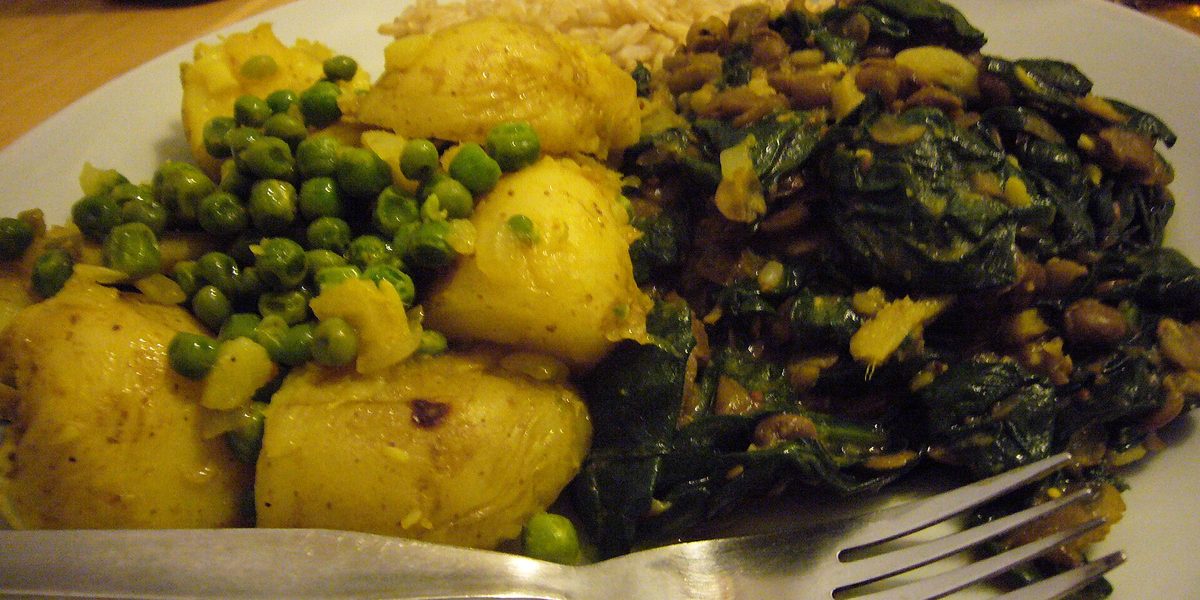
The pattern to notice is variety. A stew with beef and beans, a lentil curry over fortified grains, or a spinach omelet all layer multiple sources into one meal without any special effort.
The Vitamin C Trick That Changes Everything
Here is the most useful piece of practical advice in the whole topic: vitamin C dramatically improves the absorption of non-heme iron. Pairing plant-based iron with something tangy or colorful converts the iron into a form your body takes up far more readily. This is why classic combinations work so well — beans with salsa, spinach salad with orange segments, lentil soup finished with a squeeze of lemon, or fortified cereal alongside a few strawberries.
You do not need supplements to pull this off; a modest amount of vitamin C food eaten in the same meal does the job. Make it a habit to put one bright, acidic, or citrusy element on the plate whenever legumes, greens, or fortified grains are the star, and your body will quietly extract more value from the exact same groceries.
The Absorption Blockers Worth Knowing About
Just as some foods boost iron uptake, others politely interfere with it. Tea and coffee contain compounds that bind non-heme iron and reduce how much you absorb when they are drunk with a meal. Calcium can compete with iron as well, so a large glass of milk alongside your main iron source is not the ideal pairing. Whole grains and legumes contain phytates, natural compounds that also modestly limit absorption — though soaking, sprouting, and fermenting (as in sourdough bread) reduce the effect.
None of this means you must give up your tea or your yogurt. Timing is the easy fix: enjoy coffee and tea between meals rather than with your most iron-rich one, and let the vitamin C pairing trick offset the rest. People with diagnosed deficiency may be given stricter guidance by their provider, but for general eating, spacing things out is plenty.
Who Tends to Need More
Iron needs are not evenly distributed. People who menstruate lose iron regularly and have noticeably higher requirements. Pregnancy raises needs further as blood volume expands. Frequent blood donors, endurance athletes, growing teenagers, and people following vegetarian or vegan diets also sit in the pay-closer-attention category, since their needs are higher, their losses greater, or their dietary iron harder to absorb.
On the flip side, more iron is not automatically better. The body has no easy way to excrete excess, and some people have conditions that cause them to store too much. This is exactly why iron supplements should not be a casual, self-prescribed habit — they are genuinely valuable for people who need them and unnecessary or even counterproductive for people who do not. Food-first is the safe default; supplementation belongs under professional guidance.
A Simple Week of Iron-Smart Eating
Putting this into practice does not require meal-plan spreadsheets. It looks like fortified oatmeal with a handful of berries a few mornings a week. A lunch rotation that includes lentil soup with a lemony dressing or a chickpea salad with bell peppers. Dinners that cycle through a lean beef stir-fry with broccoli, a bean chili with tomatoes, and a salmon night with sautéed spinach. Snacks like pumpkin seeds, hummus with pepper strips, or a small square of dark chocolate fill the gaps.
Notice how often vitamin C shows up riding shotgun — tomatoes, peppers, citrus, berries, broccoli. That pairing, repeated casually across the week, is the engine of the whole approach. Cooking acidic dishes like tomato sauce in a cast-iron pan adds a small bonus of its own, a trick kitchens have leaned on for generations. None of it requires tracking numbers; it requires only that the combinations become habits, which they do quickly once the pattern is familiar.
Final Thoughts
Iron will never be as glamorous as the latest superfood, but few nutrients have a more direct line to how energetic you feel on an ordinary Tuesday. Eat a variety of iron sources, put something vitamin C-rich on the same plate, keep tea and coffee between meals, and stay alert to the groups who need extra attention. And if fatigue is persistent or severe, skip the guesswork — a healthcare provider can check your levels properly and tell you whether iron is actually the culprit. Steady habits, not heroic measures, are what keep the oxygen flowing.