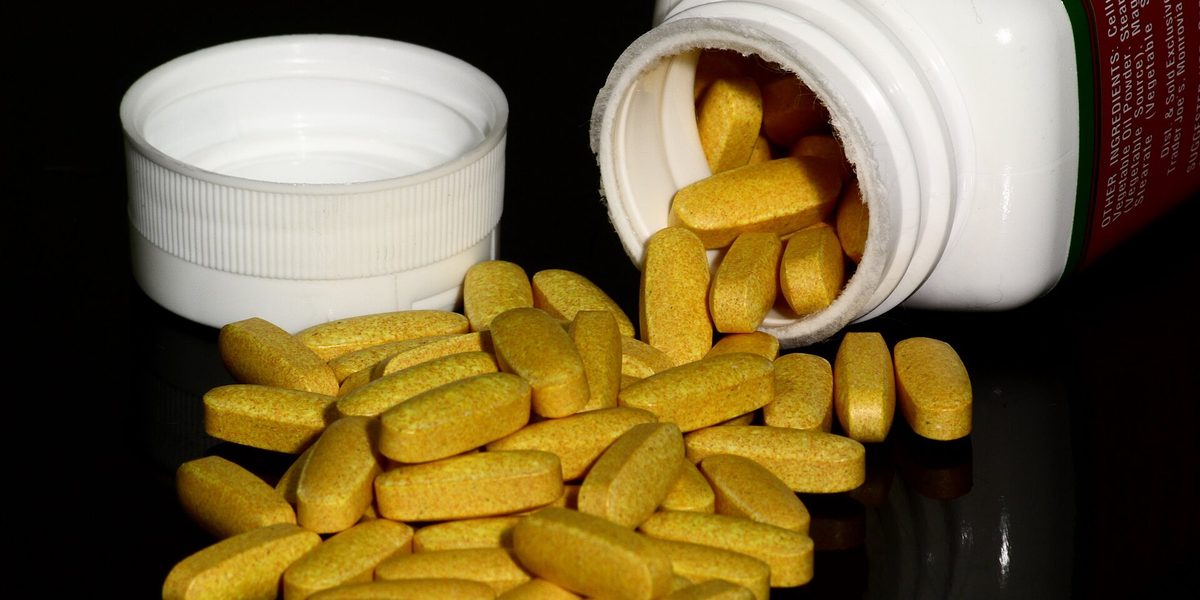
Walk down any supplement aisle and you will find optimism in bottle form: capsules promising energy, immunity, glow, focus, and longevity, arranged in packaging that whispers that health can be swallowed in seconds. Meanwhile, the produce section two aisles over makes no promises at all and quietly outperforms most of it. The food-first principle — meet your nutritional needs through what you eat, and supplement only to fill genuine gaps — is one of the most consistent positions in nutrition science. But it is a principle, not a prohibition, and there are real situations where a supplement is exactly the right tool. Knowing the difference saves both money and misplaced faith.
Why Food Usually Wins
A nutrient in food never travels alone. An orange delivers vitamin C alongside fiber, water, potassium, folate, and hundreds of plant compounds that interact in ways researchers are still mapping. A salmon fillet packages omega-3s with protein, vitamin D, and selenium. These companions are not decorative — they influence how nutrients are absorbed and used, and they may explain a stubborn pattern in research: diets rich in certain nutrients are frequently associated with better health outcomes, while isolated high-dose supplements of those same nutrients often fail to reproduce the benefit in trials.
Food also self-regulates in a way pills do not. It is difficult to overdose on a nutrient by eating ordinary meals, because food is bulky, filling, and naturally dosed. Capsules remove every one of those guardrails. Add that whole foods bring fiber and satiety — things no supplement contains — and the default becomes clear: build the diet first, and let it do the heavy lifting.
What Supplements Genuinely Cannot Replace
The marketing phrase insurance for your diet suggests a multivitamin can backstop careless eating. The analogy fails on several fronts. No pill supplies fiber in meaningful amounts, and fiber shortfall is among the most common gaps in modern diets. No pill replicates the slow-release delivery of nutrients embedded in a food matrix, the satisfaction that regulates appetite, or the thousands of minor plant compounds that never make it into formulations.
There is also a subtler cost: the license effect. People who take supplements sometimes grant themselves quiet permission to eat worse, netting out behind where they started. A supplement can patch a specific, identified hole; it cannot convert a poor diet into a good one, any more than a spare tire converts a broken-down car into a reliable one.
Where Supplements Honestly Earn Their Place
Food-first does not mean food-only. There are well-recognized situations where supplementation is standard, sensible advice — typically identified with a healthcare provider rather than guessed at.
- Vitamin B12 for fully plant-based eaters: plants do not supply it, so vegans need a fortified or supplemental source — this one is not optional.
- Folic acid around pregnancy: routinely recommended for those who are pregnant or trying to conceive, under professional guidance.
- Vitamin D in low-sunlight lives: people in northern climates, indoor workers, and those who cover their skin often have limited means of making enough.
- Iron for diagnosed deficiency: genuinely valuable when tests show a need, and not a casual self-prescription, since excess iron carries its own problems.
- Calcium and others for restricted diets: allergies, intolerances, and medical conditions can close off food routes that supplements then reasonably reopen.
- Specific life stages and conditions: older adults, people recovering from certain illnesses, and those on medications that affect nutrient absorption may have provider-recommended additions.
The pattern across the list: a specific nutrient, a specific reason, and ideally a professional confirming both. That is a world away from stacking six bottles on the kitchen counter because a persuasive podcast made deficiency sound like everyone's default condition.
More Is Not Better: The Overdose Problem Nobody Markets
Because supplements look like vitamins and vitamins sound like health, people assume the worst case is expensive urine. For water-soluble nutrients that is often roughly true, but fat-soluble vitamins — A, D, E, and K — accumulate in body tissue, and sustained high doses can cause genuine harm. Minerals misbehave at high doses too: excess zinc can interfere with copper status, excess iron is hard on the body, and mega-doses of single nutrients can crowd out the absorption of their neighbors.
Supplements can also interact with medications — a detail bottle labels handle with fine print and consumers often handle not at all. None of this makes the products sinister; it makes them active substances deserving the same respect as anything else with real effects. The practical rules are simple: favor doses near the daily value rather than heroic multiples, avoid stacking multiple products containing the same nutrient, and tell your doctor or pharmacist what you take, especially before surgery or alongside prescriptions.
Reading the Vitamin Aisle With Clear Eyes
The supplement industry is far more lightly regulated than medicine: in most places, products reach shelves without having to prove they work, and quality control varies between brands. A few habits protect you. Look for third-party testing seals from independent certification organizations, which verify that the bottle contains what the label claims — not that it works, but that it is what it says. Be instantly skeptical of proprietary blends that hide doses, of anything promising rapid or dramatic results, and of products whose main evidence is testimonials.
Treat miracle language as a warning label rather than a selling point. Words like detox, boost, and melt attach themselves to products precisely because they are legally vague enough to promise everything while guaranteeing nothing. The duller the claim, the more trustworthy the product tends to be — a vitamin D capsule stating its dose plainly is a tool; a capsule promising limitless energy is a story.
A Practical Decision Path
When you are tempted by a supplement, walk it through four questions. First: is there a specific reason — a symptom, a dietary restriction, a life stage, ideally a test result — or just a general wish to be healthier? General wishes are better served by food, sleep, and movement. Second: could food close this gap at reasonable effort? A few servings of fortified milk, fish, beans, or greens often cover what a capsule promises. Third: has a professional weighed in? A doctor, pharmacist, or registered dietitian can confirm a need in minutes and spare you months of guessing. Fourth: is the product itself trustworthy — sensible dose, third-party tested, no secret blends?
A yes to a specific need, a food route that is genuinely impractical, professional agreement, and a clean product — that is a supplement worth buying. Anything that fails the path is usually better left on the shelf, with the money redirected two aisles over. It also helps to revisit the question yearly: needs change with seasons, diets, and life stages, and a supplement that earned its place last winter may be unnecessary by summer.
Final Thoughts
Food first is not anti-supplement; it is pro-order-of-operations. Build meals around vegetables, fruits, legumes, whole grains, quality proteins, and healthy fats, and most nutritional boxes tick themselves — with fiber, satiety, and a few hundred plant compounds thrown in free. Then, where a real gap exists — B12 on a vegan diet, vitamin D in a dim winter, iron when tests say so, folic acid around pregnancy — let a well-chosen, sensibly dosed supplement do the one job it is actually good at. The bottle is a patch, the plate is the foundation, and no amount of capsules will ever reverse that hierarchy. When in doubt, ask a professional before the checkout, not the packaging.