Snacking has a split personality. Done well, it steadies energy between meals, fills nutritional gaps, and prevents the ravenous overeating that follows a too-long stretch without food. Done poorly, it becomes a slow drip of crackers, chips, and sweets that adds up to a fourth meal without ever making you feel fed. The difference is not willpower. It is the construction of the snack itself, and once you understand what makes a snack genuinely satisfying, building better ones becomes almost automatic.
Why Some Snacks Leave You Hungrier
Think about the classic vending machine pattern: a bag of pretzels or a sweet granola bar, eaten quickly, followed by renewed hunger within the hour. These snacks are built almost entirely from refined carbohydrates, which digest rapidly. Energy from them arrives fast and leaves fast, and the dip that follows can feel remarkably like fresh hunger, nudging you back toward the kitchen or the vending machine.
Highly processed snack foods compound the problem by being easy to eat in quantity. They are engineered to be soft, salty or sweet, and quick to chew, so large amounts disappear before fullness signals catch up. A snack can therefore deliver plenty of calories while providing almost no lasting satisfaction, which is the worst trade available. The goal of smart snacking is to reverse that trade: reasonable portions that produce fullness that actually lasts.
The Pairing Principle
The single most useful snacking rule is to pair at least two of the three staying-power nutrients: protein, fiber, and fat. Each works through a different mechanism. Protein is the most satiating nutrient per bite and signals fullness strongly. Fiber adds bulk and slows the whole digestive process. Fat slows stomach emptying and carries flavor, making modest portions feel complete.
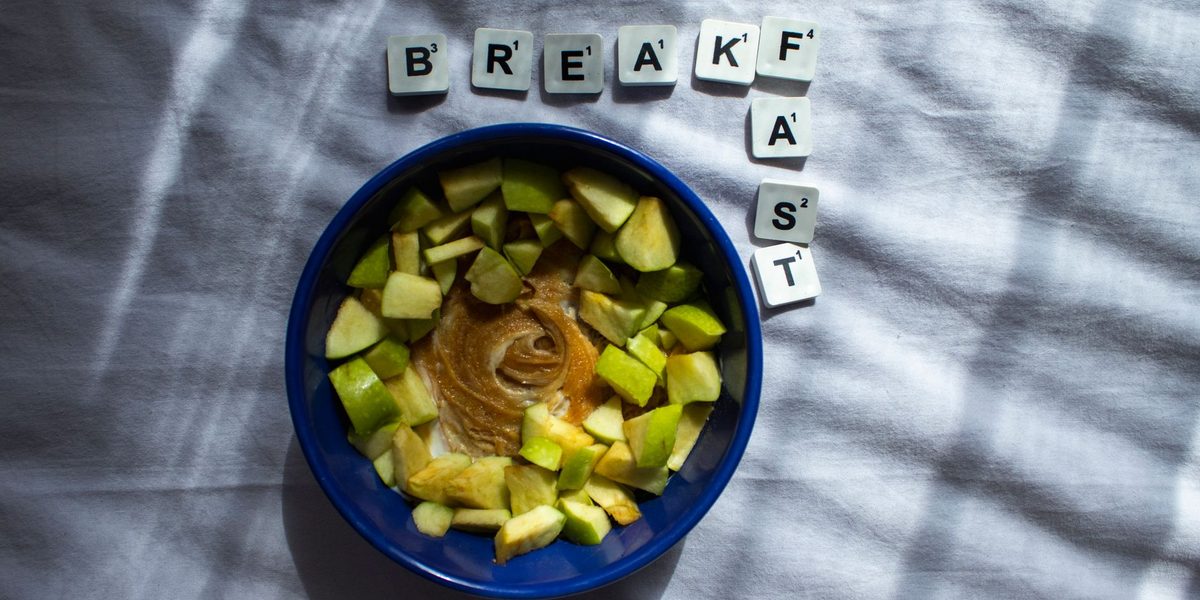
A plain apple is fine but fleeting. An apple with peanut butter pairs fiber with fat and protein, and suddenly the snack holds you for hours. Crackers alone vanish without a trace; crackers with cheese or hummus become a mini-meal. When you catch yourself reaching for a lone carbohydrate, the fix is rarely to put it back, just to give it a partner.
Snack Combinations Worth Stealing
Smart snacks do not require recipes, only assembly. A few reliable pairings cover nearly every craving:
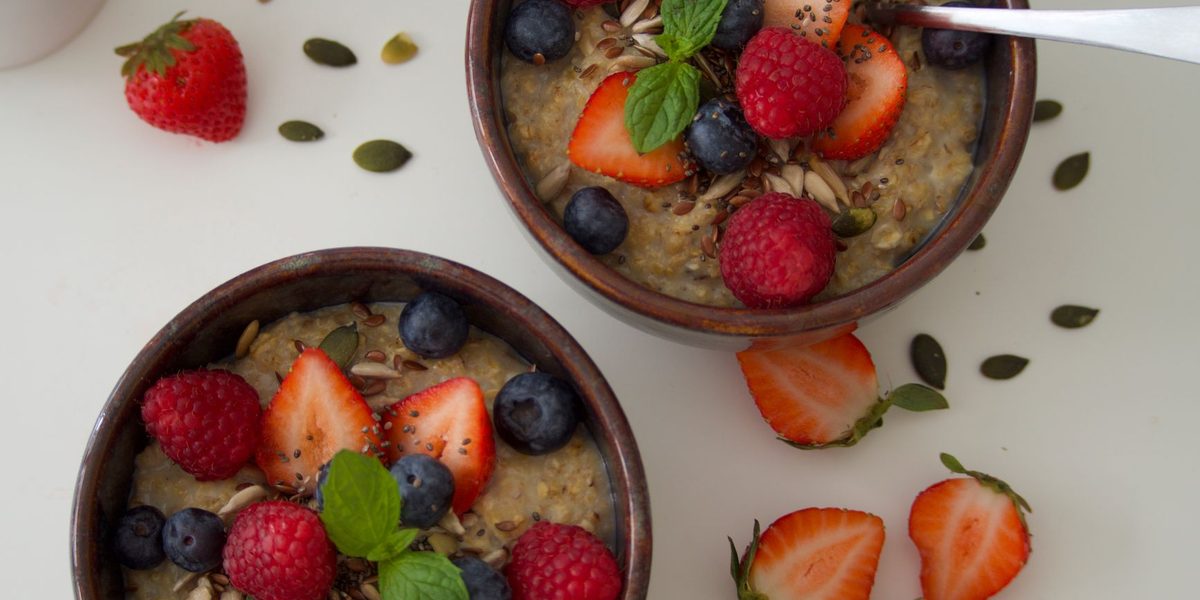
- Plain yogurt with berries and a spoonful of nuts or seeds.
- Apple or banana slices with peanut, almond, or sunflower seed butter.
- Hummus with carrot sticks, cucumber, bell pepper, or whole grain pita.
- A hard-boiled egg with a piece of fruit.
- Cottage cheese with pineapple, tomato, or cracked pepper.
- A small handful of trail mix built mostly from nuts rather than candy.
- Whole grain toast with avocado or tuna.
- Cheese with whole grain crackers and a few grapes.
- Edamame with a pinch of salt.
- Air-popped popcorn alongside a handful of almonds.
Notice the pattern: produce or whole grains for fiber, paired with dairy, eggs, legumes, or nuts for protein and fat. Rotate through combinations rather than repeating one until you resent it.
Portion Without Policing
Even well-constructed snacks can quietly grow into meals, especially calorie-dense ones like nuts, cheese, and nut butters. The answer is not weighing food; it is pre-deciding portions. Put the snack in a bowl or on a plate instead of eating from the package, because open bags have no natural stopping point. Buying single-serve portions or dividing a large bag into small containers once a week accomplishes the same thing with zero daily effort.
A useful mental size for a snack is enough to bridge to the next meal, not enough to replace it. If you are regularly needing meal-sized snacks, the real issue may be meals that are too small or too far apart, and the fix belongs there rather than in the snack drawer.
Snack on Purpose, Not on Autopilot
A surprising share of snacking has nothing to do with hunger. Boredom, stress, procrastination, and simple habit all send people to the kitchen, and food eaten for those reasons rarely satisfies, because the need was never physical. Before snacking, it is worth a two-second check: am I actually hungry, or am I tired, thirsty, or avoiding something? Genuine hunger builds gradually and would welcome a boring food like an apple; cravings tend to arrive suddenly and demand something specific.
Environment does more work than willpower here. Keep the snacks you want to eat visible and ready, washed fruit on the counter, cut vegetables and yogurt at eye level in the fridge, and keep the purely recreational snacks out of sight or out of the house. People overwhelmingly eat what is easiest to grab, so make the easy grab the good one.
Timing and the Workday Problem
For most people, the danger zone is mid-afternoon, that stretch when lunch has faded, dinner is distant, and energy dips. Planning one deliberate afternoon snack, something with protein and fiber, eaten away from the screen if possible, defuses the zone before it detonates into vending machine visits or pre-dinner grazing.
The other classic trap is late evening, where snacking is usually habit and wind-down ritual rather than hunger. If evening snacking is a pattern you want to keep, make it a chosen portion rather than an open-ended graze: a bowl of yogurt, some fruit, a small dish of nuts, decided in advance and plated. If dinner consistently fails to hold you until bedtime, the meal itself may need more protein or fiber, which is a better fix than an ever-expanding evening snack.
Reading Packaged Snacks Without Being Fooled
Packaged snacks market themselves hard, and words like natural, protein, and wholesome on the front tell you very little. The back of the package is more honest. A quick scan of three things, the protein grams, the fiber grams, and the added sugar, sorts most products instantly. A bar with meaningful protein and fiber and modest sugar can be a genuinely useful snack; one that is mostly sugar with a drizzle of oats is a dessert wearing hiking clothes.
The ingredient list adds the final clue: items are listed by weight, so a snack whose first ingredients are sugar or refined flour has announced its priorities. None of this means packaged snacks are off limits, only that the label, not the front-of-pack slogan, should make the decision.
Hydration deserves a final word, because thirst is routinely misread as hunger. A glass of water before an unplanned snack is a free experiment: sometimes the urge fades entirely, and when it does not, you have lost nothing. Water-rich snacks like fruit, vegetables, and yogurt pull double duty here, contributing to fluids while delivering their nutrients. People who keep a water bottle within reach through the afternoon often find their snack cravings quiet down noticeably, not because they suppressed anything, but because they answered the question the body was actually asking. Tea, sparkling water, and broth work the same quiet trick in colder months, when warmth itself is often half of what a snack craving is really after.
Final Thoughts
Smart snacking comes down to a handful of habits: pair protein, fiber, or fat instead of eating lone refined carbohydrates; portion deliberately rather than eating from the bag; snack in response to actual hunger; and set up your kitchen so the best choice is the easiest one. Snacks built this way stop being a guilty gap-filler and start doing real work, carrying you comfortably from one good meal to the next. As with any eating pattern, individual needs vary, and anyone with specific health concerns should check with a qualified professional for personal guidance.