Tracking apps, food scales, and spreadsheets work for some people, but most of us do not want to turn every meal into a math problem. The good news is that you do not have to. Nutrition professionals have long taught a simpler approach that uses the plate itself as the measuring tool. By paying attention to proportions instead of numbers, you can put together satisfying, well-rounded meals in seconds, whether you are cooking at home, ordering at a restaurant, or assembling leftovers from the fridge.
The Plate Method in a Nutshell
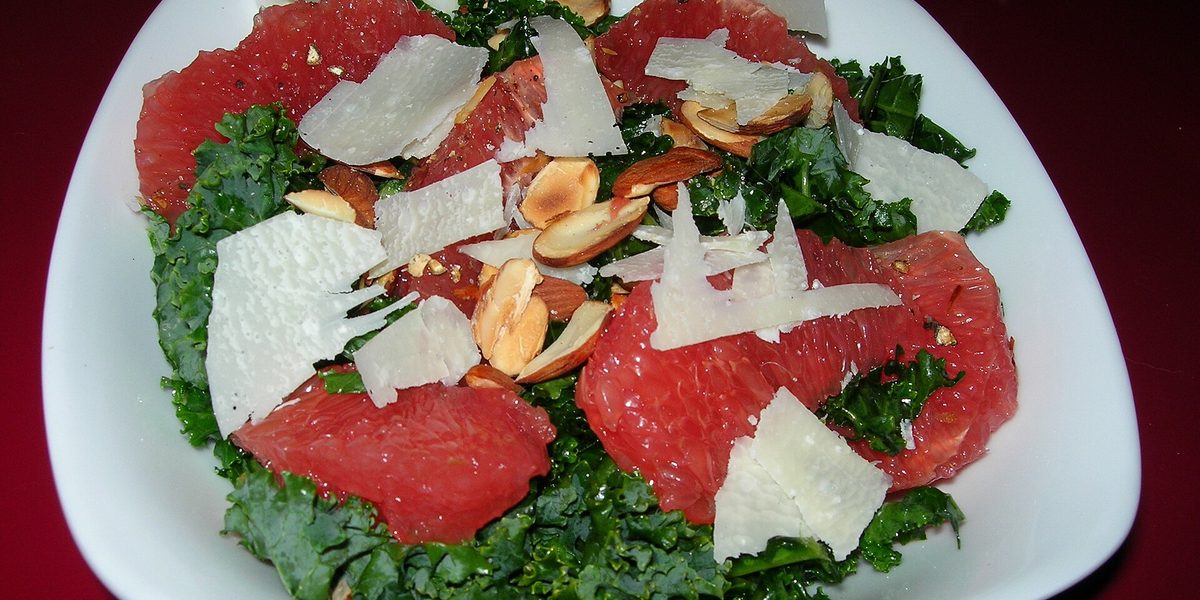
The idea is refreshingly simple. Picture your plate divided into sections. Half of it goes to vegetables and fruit, with the emphasis on vegetables. One quarter goes to a protein source, such as chicken, fish, beans, tofu, eggs, or lean beef. The final quarter goes to carbohydrates, ideally ones with some fiber left in them, such as brown rice, whole grain pasta, potatoes with the skin on, or whole grain bread.
Add a small amount of fat for flavor and satisfaction, perhaps olive oil on the vegetables, a few slices of avocado, or a sprinkle of nuts, and round things out with water or another unsweetened drink. That is the entire system. No weighing, no logging, no mental arithmetic, just a quick visual check before you start eating.
Why Proportions Beat Precision for Most People
Counting calories can be useful in specific situations, but it has real drawbacks as an everyday habit. It is tedious, it is surprisingly inaccurate because labels and portion estimates both carry errors, and it can make eating feel like a chore. Many people abandon tracking within a few weeks simply because it demands too much attention.
Proportions, on the other hand, travel with you everywhere. You cannot weigh the stir-fry at a friend's house, but you can absolutely glance at your plate and notice whether vegetables are doing their fair share of the work. Because the method is built on a visual habit rather than a data entry task, it tends to survive busy weeks, vacations, and dinners out, which is exactly when rigid systems usually fall apart.
Filling the Vegetable Half
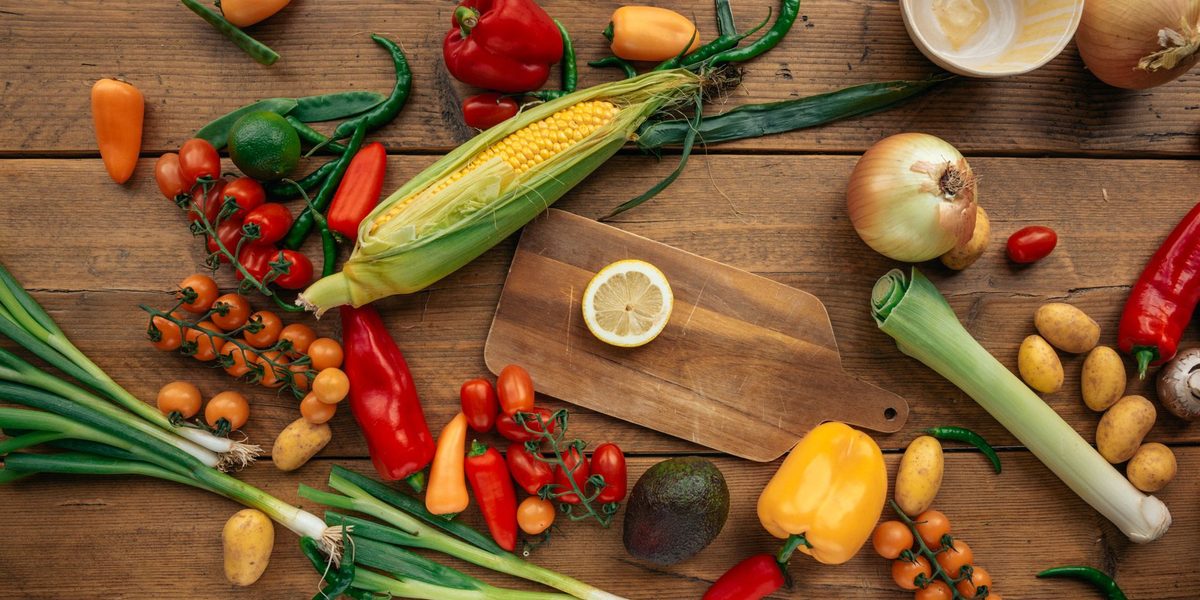
The vegetable half of the plate is where most modern meals fall short, so it deserves the most attention. The goal is volume, color, and variety rather than any particular superfood. Frozen vegetables count. Canned vegetables count, especially if you rinse them to reduce the salt. A bagged salad counts. Roasted broccoli, sauteed peppers, shredded cabbage slaw, steamed green beans, and raw carrot sticks all count.
- Roast a big tray of mixed vegetables once or twice a week and reheat portions as needed.
- Keep frozen spinach, peas, and stir-fry blends on hand for nights when the crisper drawer is empty.
- Start restaurant meals with a salad or vegetable-based soup so the proportion holds even when the entree is heavy.
- Add vegetables to dishes that do not traditionally feature them, such as grated zucchini in pasta sauce or peppers in scrambled eggs.
Fruit can stand in for part of this section, especially at breakfast, but vegetables generally bring more fiber and fewer sugars per bite, so let them lead.
Choosing Your Protein Quarter
Protein is the part of the meal that does the most to keep you full, so skipping it is usually why a meal leaves you hungry an hour later. A quarter of the plate is roughly a palm-sized portion for most adults, which is easier to picture than grams or ounces.
Variety matters here too. Fish and seafood bring beneficial fats. Beans, lentils, and chickpeas bring fiber along with their protein and tend to be the most budget-friendly option in the store. Eggs, poultry, tofu, tempeh, plain yogurt, and cottage cheese all slot neatly into the quarter as well. If you eat red or processed meat, most general guidance suggests treating it as an occasional choice rather than a daily default. The simplest habit is to rotate through several protein sources across the week so no single one dominates.
Making the Carbohydrate Quarter Work Harder
Carbohydrates are not the enemy; they are fuel. The plate method does not ask you to eliminate them, only to keep them to about a quarter of the plate and to favor versions that still contain fiber. Whole grains, oats, quinoa, barley, corn tortillas, whole grain bread, and potatoes or sweet potatoes with the skin all digest more gradually than their refined counterparts, which helps meals feel steady rather than spiky.
This is also the section where restaurant portions most often take over the whole plate. A typical serving of pasta or rice at many restaurants would cover three-quarters of a home plate on its own. You do not need to leave food behind to fix this; simply mentally re-divide the meal, eat the proportion that fits the model, and box the rest for tomorrow's lunch, where it becomes the carbohydrate quarter all over again.
Fats, Sauces, and the Little Extras
Fat does not get its own plate section because it usually arrives inside or on top of the other foods: the oil the vegetables were cooked in, the dressing on the salad, the cheese melted over the beans. That placement is fine. A thumb-sized amount of added fat per meal is a reasonable visual guide, enough to carry flavor and help you absorb certain vitamins without quietly doubling the richness of the meal.
Sauces and condiments deserve a quick glance as well. Creamy dressings, sweetened sauces, and mayonnaise-based spreads can be generous sources of sugar and fat, while salsa, mustard, vinegar, hot sauce, herbs, and citrus add big flavor with very little baggage. Choosing the second group most of the time keeps the plate balanced without making it boring.
Adapting the Plate to Real Life
Not every meal arrives on a plate, and the method flexes to handle that. For a sandwich, the bread is the carbohydrate quarter, the filling is the protein quarter, and the missing half is solved with a side salad, raw vegetables, or a piece of fruit. For a bowl of soup or a stir-fry, imagine the ingredients separated: is it mostly vegetables with a solid share of protein and a moderate scoop of rice or noodles? Then it fits.
Mixed dishes like casseroles, curries, and pasta bakes usually run heavy on the carbohydrate side, so serving them over greens or alongside a vegetable fixes the ratio instantly. Even snacks can borrow the logic in miniature: an apple with peanut butter or yogurt with berries pairs produce with protein, which is the same principle at a smaller scale.
Breakfast deserves its own mention, because the classic morning plate often ignores the model completely. The fix is the same gentle rebalancing: eggs or yogurt supply the protein quarter, whole grain toast or oats cover the carbohydrate quarter, and fruit or a handful of vegetables fills out the produce half. Nobody expects perfection at every meal, and the plate method is forgiving by design. If lunch ran heavy on carbohydrates, dinner can lean a little greener, and the week as a whole still balances out. Judging the pattern over days rather than any single plate keeps the habit relaxed instead of rigid, which is precisely what makes it last.
Final Thoughts
Balanced eating does not require an app, a scale, or a single calculation. Half vegetables and fruit, a quarter protein, a quarter fiber-rich carbohydrates, a modest amount of fat, and something unsweetened to drink will serve you well at nearly every meal. Start by adjusting just one meal a day and let the habit spread naturally. If you have specific health conditions or nutritional needs, a registered dietitian or your healthcare provider can help you tailor the proportions, but for everyday eating, the plate in front of you is the only tool you need.