Few nutrition phrases have been stretched thinner than anti-inflammatory. It appears on smoothie powders, tea boxes, supplement bottles, and roughly half the wellness internet, usually accompanied by promises that sound a little too cinematic. Underneath the marketing, though, sits a genuinely useful idea backed by a sensible body of research: the overall pattern of what you eat appears to influence the low-level, chronic inflammation associated with many long-term health concerns. The honest version of anti-inflammatory eating is less exciting than the hype — no single miracle food, no detox — and far more achievable. Here is what it actually looks like.
What Inflammation Is — and Why the Chronic Kind Matters
Inflammation itself is not a villain. The redness around a cut and the swelling of a sprained ankle are your immune system doing exactly its job: rushing resources to a problem, then standing down. That acute inflammation is short-lived and protective.
The concern is the other kind — low-grade, persistent inflammation that simmers quietly in the background for years. Researchers have associated this chronic state with a range of long-term health issues, and lifestyle factors appear to influence it: sleep, stress, movement, smoking, and yes, dietary patterns. The key word is patterns. No credible evidence suggests that one food ignites or extinguishes inflammation on its own; what seems to matter is the overall tilt of your diet over months and years. Anyone dealing with an inflammatory condition should be guided by their healthcare team — food is a supporting actor, not a treatment.
The Pattern, Not the Superfood
Strip away the branding and anti-inflammatory eating looks remarkably like advice you have heard your whole life: mostly plants, plenty of color, fish and legumes for protein, olive oil over hard fats, whole grains over refined ones, and not much in the way of ultra-processed snacks or sugary drinks. It closely resembles traditional Mediterranean-style eating, which is among the most studied dietary patterns in the world.
This is actually liberating. It means you do not need to chase exotic ingredients or memorize lists of forbidden foods. It also means the powder promising to melt inflammation for a monthly fee is solving a problem the grocery store already solves. The pattern is the product, and it is sold in the produce section.
Foods That Earn Their Place in the Pattern
Within that overall pattern, certain food groups show up again and again in the research as regular features of diets associated with lower markers of inflammation.
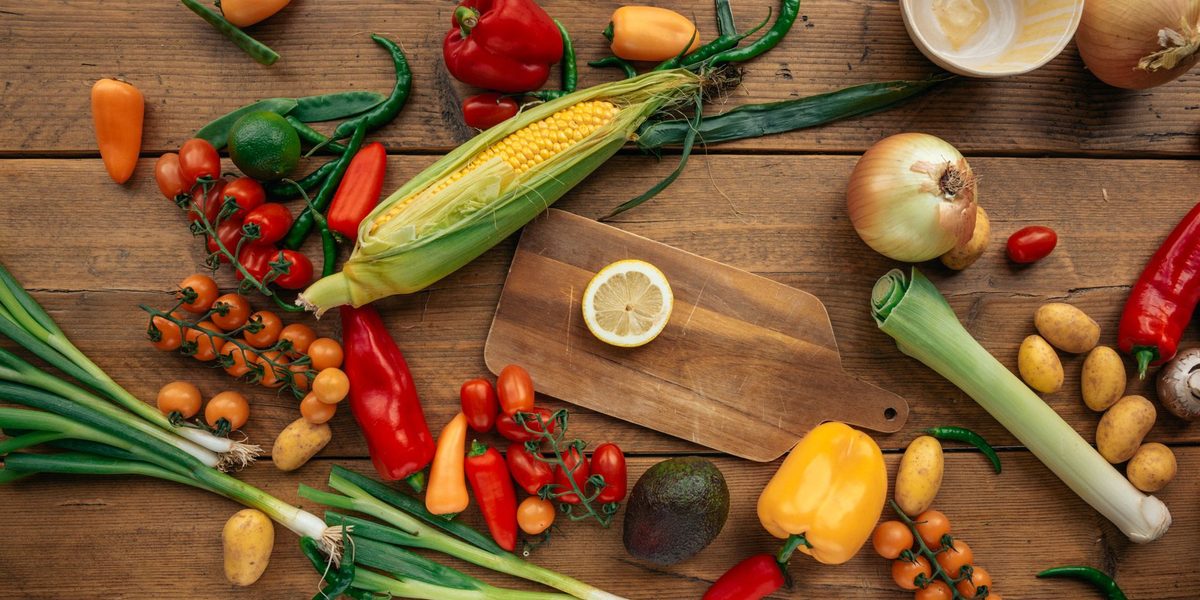
- Colorful vegetables and fruit: berries, leafy greens, tomatoes, peppers, and citrus — the pigments that make them colorful come with polyphenols and other beneficial plant compounds.
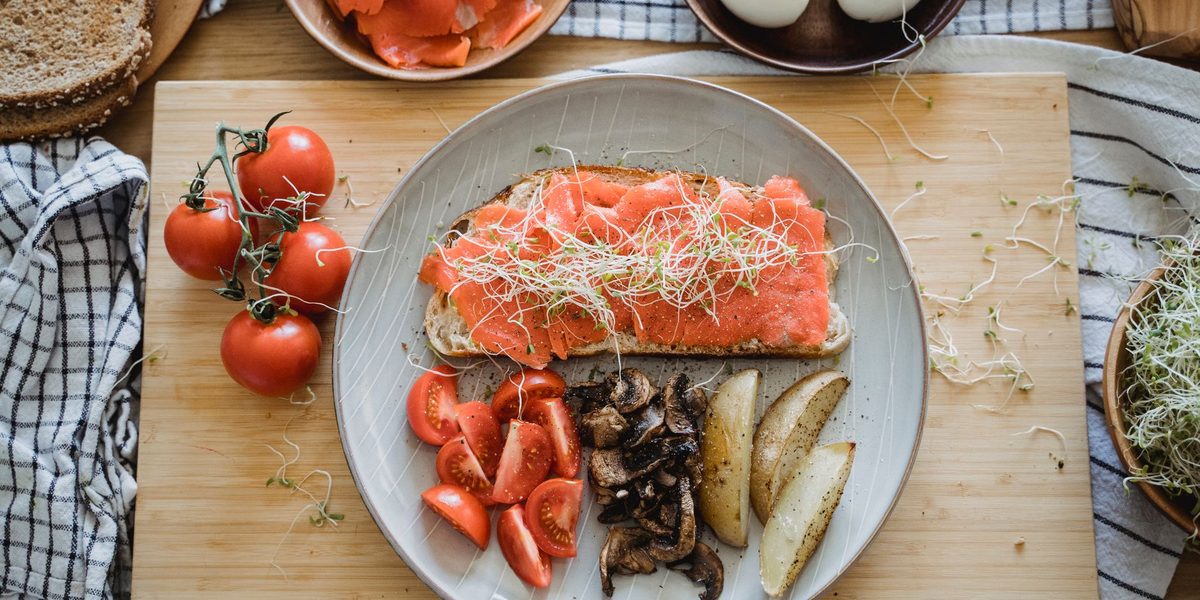
- Fatty fish: salmon, sardines, mackerel, and trout supply omega-3 fats, the most consistently studied dietary players in this space.
- Extra virgin olive oil: the backbone fat of Mediterranean eating, rich in compounds that refined oils lack.
- Nuts and seeds: walnuts, almonds, flax, and chia offer fiber, minerals, and healthy fats in a convenient package.
- Whole grains and legumes: oats, barley, brown rice, lentils, and beans feed the gut microbes increasingly linked to immune regulation.
- Herbs and spices: turmeric, ginger, garlic, and cinnamon are pleasant contributors — seasoning, not medicine.
Notice that every item is ordinary food you can buy anywhere, fresh, frozen, or canned. The magic, such as it is, comes from eating them routinely rather than occasionally — a weekly rhythm of fish, daily color on the plate, and olive oil as the house default.
What to Ease Away From
The flip side gets more attention than it deserves, but it is fairly short. Dietary patterns associated with higher inflammatory markers tend to be heavy in sugary drinks, refined carbohydrates, processed meats, deep-fried foods, and ultra-processed snacks engineered more in laboratories than kitchens. Excessive alcohol belongs on the list as well.
Two things keep this from becoming a guilt engine. First, the dose and the pattern matter: a birthday cake or an occasional burger does not undo months of good eating any more than one salad fixes months of poor eating. Second, the goal is crowding out, not forbidding. People who focus on adding good foods tend to displace the less helpful ones naturally, without the white-knuckle restriction that makes eating plans collapse. Ease away; do not swear off.
The Hype Detector: Claims That Should Raise an Eyebrow
Because the term is unregulated, anti-inflammatory gets attached to products with wildly varying justification. A few patterns deserve healthy skepticism. Be wary of any single food or supplement promising to fight, melt, or destroy inflammation — bodies do not work in action-movie verbs. Be wary of tests sold online claiming to identify your personal inflammatory foods; most lack solid validation. Be wary of lists declaring entire ordinary food groups, like all nightshades or all grains, inflammatory for everyone — the evidence does not support such blanket bans for the general population.
A useful rule, applicable well beyond this topic: the more specific and dramatic the promise on the package, the weaker the evidence behind it usually turns out to be. The genuinely supported advice is boringly general — eat the pattern, consistently. Anyone who suspects a specific food genuinely disagrees with them should explore it with a professional rather than an influencer.
A Gentle Week of Getting Started
Overhauls fail; nudges stick. Instead of redesigning your diet, pick two or three swaps and let them become automatic before adding more. Trade the usual cooking fat for olive oil. Put fish on the menu twice a week — canned sardines and salmon count, no searing skills required. Make berries the default dessert a few nights. Swap white rice for barley or brown rice in one regular meal. Keep walnuts where the chips used to live.
Breakfast is an easy early win: oatmeal with berries, walnuts, and cinnamon is practically the pattern in a bowl. Lunch can follow with a simple upgrade — soup with extra beans, a salad dressed generously in olive oil and lemon, or leftovers topped with whatever vegetables the fridge offers. And remember that the non-food levers — decent sleep, regular walks, managing stress — belong to the same project. A perfect diet on four hours of sleep is fighting with one hand tied behind its back.
Keep Expectations Honest
Eating this way is a long game played in decades, not a cleanse measured in days. You are unlikely to feel a dramatic change by Friday, and anyone promising you will is selling something. What the pattern offers instead is quieter: meals that satisfy, steady energy, better fiber intake, and alignment with the dietary habits most consistently associated with long-term health in large populations.
It is also worth saying plainly: food is one input among many, and it is not a substitute for medical care. Persistent pain, fatigue, or symptoms that worry you deserve a conversation with a healthcare provider, not just a better grocery list. Anti-inflammatory eating works best as a foundation underneath proper care, not a replacement for it.
Final Thoughts
Anti-inflammatory eating, minus the hype, is simply a modern name for an old pattern: vegetables and fruit in abundance, fish and legumes, olive oil, whole grains, nuts, and not too much of the ultra-processed stuff. No powders, no bans, no drama. Start with a few swaps, let them settle into habit, and judge the approach over seasons rather than days. The least marketable version of this advice happens to be the most reliable one — and it is available in every grocery store, at no markup.