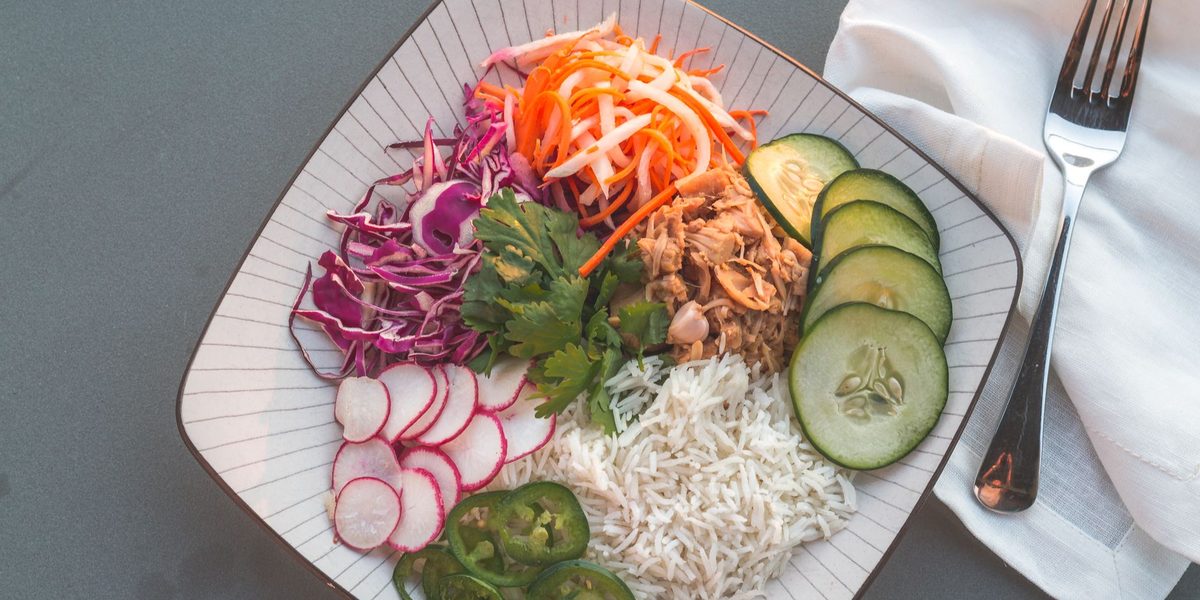
Somewhere along the way, eating more vegetables became an identity question. Are you vegan, vegetarian, flexitarian, or lapsed? The labels have a way of turning dinner into a loyalty oath, and for many people that pressure is exactly why change never sticks. Plant-forward eating offers a calmer path: it simply means tilting your plate toward plants — vegetables, fruits, legumes, whole grains, nuts, and seeds — without swearing allegiance to anything or bidding farewell to foods you love. No finish line, no membership card, no confession required when you enjoy a burger. Just a gradual rebalancing that most people find easier, cheaper, and tastier than they expected.
Why Tilt the Plate at All
The case for more plants is one of the least controversial positions in nutrition. Dietary patterns rich in vegetables, fruits, legumes, and whole grains are consistently associated with better long-term health outcomes across large populations, and they deliver the fiber that most modern diets conspicuously lack. Fiber feeds the gut microbes researchers keep finding new reasons to care about, supports steady digestion, and makes meals more filling per calorie.
There are practical dividends too. Beans and lentils are among the cheapest proteins in any store, so plant-forward weeks are often noticeably kinder to the grocery budget. And because the shift is a direction rather than a destination, there is no way to fail at it — a plate that is somewhat more plant-heavy than last year is a success by the only measure that matters.
Start With Addition, Not Subtraction
The most common mistake is beginning by removing things. Subtraction triggers scarcity thinking, and scarcity thinking triggers rebellion — usually around nine in the evening. The gentler and more effective opening move is pure addition: put more plants on the plate and let them crowd out the rest at their own pace.
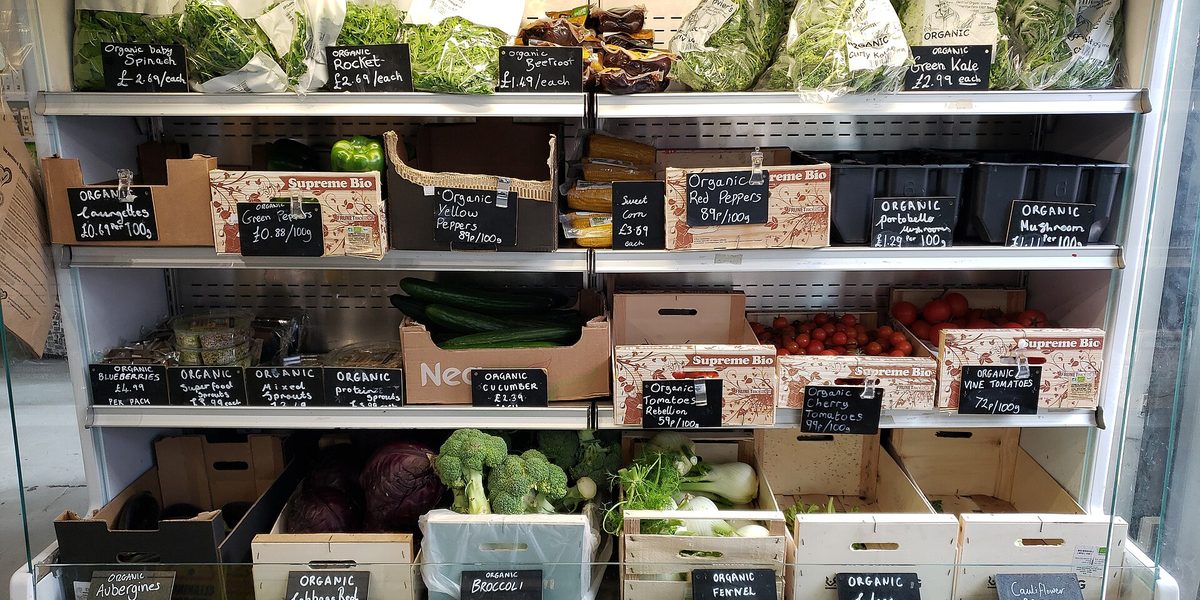
Add a handful of spinach to eggs, pasta sauce, and soups. Put one extra vegetable side on the dinner table. Top whatever you are already eating with beans, roasted vegetables, or avocado. Begin lunch with fruit or a small salad. None of these moves asks you to give up anything, which means none of them generates resistance. Over weeks, the additions quietly shrink the space that refined snacks and oversized meat portions used to occupy — without a single act of willpower.
The Blend-and-Swap Playbook
Once addition feels normal, blending is the next low-friction move. Familiar dishes keep their identity while their ingredients shift underneath.
- The fifty-fifty blend: mix finely chopped mushrooms or lentils into ground meat for tacos, chili, bolognese, and burgers — the texture and savoriness hold up remarkably well.
- The grain upgrade: swap half the white rice for barley, farro, or brown rice, or stir cooked quinoa into familiar sides.
- The bean promotion: in soups and stews, double the beans and halve the meat; most recipes barely notice.
- The snack flip: keep nuts, fruit, hummus, and cut vegetables at eye level, and let the chips move to the awkward cupboard.
- The breakfast tilt: oatmeal with fruit and nut butter a few mornings a week turns the day's first meal mostly plant with zero sense of sacrifice.
Each swap is small enough to be invisible in any single meal and large enough to matter when repeated across a year of eating.
Make Plants Taste Like Something Worth Eating
Much resistance to vegetables is really resistance to badly cooked vegetables. Steamed, unseasoned, and apologetic is no one's favorite flavor. Plants earn their place at the center of the plate when they are treated with the same culinary respect as meat: real heat, real fat, real seasoning.
Roasting is the gateway technique — high oven heat caramelizes broccoli, carrots, cauliflower, and Brussels sprouts into sweet, browned versions of themselves that bear no resemblance to their boiled cousins. Olive oil, salt, and a hot pan transform greens. Acid wakes everything up: lemon juice or vinegar at the end of cooking does more than most spices. Build a small bench of sauces — tahini-lemon, peanut-lime, salsa, chimichurri, yogurt-herb — and almost any pile of grains, beans, and roasted vegetables becomes a meal you would order in a restaurant. Flavor is not cheating; it is the whole strategy.
Protein, Iron, and the Questions Everyone Asks
The moment plates tilt plant-ward, the protein question arrives. For a plant-forward eater who still includes some animal foods, protein is rarely a genuine problem — eggs, dairy, fish, and occasional meat fill gaps easily, and legumes, tofu, tempeh, nuts, and whole grains all contribute. Spreading protein across the day, a solid source at each meal, serves most people well.
A few nutrients deserve ordinary attention as plants take more of the plate. Plant iron absorbs better alongside vitamin C foods — tomatoes with beans, citrus with greens — and tea or coffee drunk between rather than with meals helps too. Dairy reducers should look to fortified plant milks and calcium-rich greens. Anyone moving all the way to fully plant-based eating should discuss vitamin B12 with a healthcare provider, since it is the one nutrient plants genuinely do not supply. None of this is complicated; it is simply worth knowing, the way any driver knows where the fuel gauge is.
Navigating Real Life: Families, Restaurants, and Cravings
Plant-forward eating survives contact with real life precisely because it has no rules to break. At restaurants, the move is often two starters and a vegetable side, or simply the dish you want with an added salad. At family dinners, you eat what is served and tilt the next day. Feeding skeptical kids or partners goes better with blends and familiar formats — a chili that happens to be half beans provokes no hearings — than with announcements about the household's new direction.
Cravings deserve respect rather than combat. Wanting a steak occasionally is not a moral event, and having one keeps the overall pattern sustainable. The people who maintain plant-forward habits for decades are almost never the ones who white-knuckled perfection; they are the ones who made the default plant-heavy and let the exceptions be exceptions, enjoyed fully and without ceremony.
A Realistic First Month
Here is what a gentle beginning actually looks like. Week one: change nothing except adding one vegetable or fruit to every day. Week two: establish one fully plant-based dinner per week — a lentil curry, a bean chili, a vegetable stir-fry with tofu. Week three: start the fifty-fifty blends in your ground-meat dishes and upgrade one regular grain. Week four: sort out your sauce bench and make roasted vegetables a standing side.
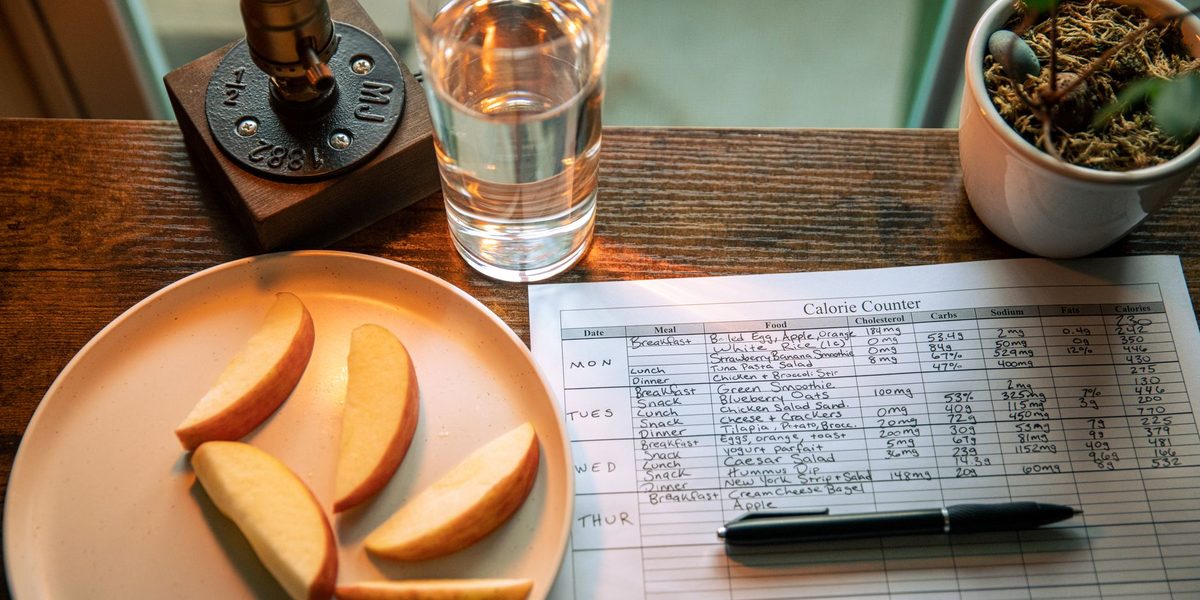
That is the whole program. No weigh-ins, no apps, no announcements, and no pressure to accelerate if a week goes sideways. By the end of the month the plate has visibly shifted, nothing has been forbidden, and — this is the part that surprises people — several of the new meals will have become genuine favorites rather than virtuous substitutes.
Final Thoughts
Plant-forward eating asks a smaller question than the diet labels do: not who are you, but what is for dinner, and could it hold a few more plants? Add before you subtract, blend before you swap, season like you mean it, and keep the foods you love in the rotation where they belong. The direction matters far more than the speed, and a plate that drifts plant-ward over months will outlast any dramatic overhaul. If you have specific nutritional concerns along the way, a registered dietitian can personalize the path — but the first steps are as simple as a handful of spinach in tonight's sauce.