Most people picture sugar as the obvious suspects: candy, soda, cookies, cake. But a large share of the sugar in a typical diet never announces itself at all. It arrives folded into bread, stirred into pasta sauce, blended into yogurt, and splashed into salad dressing, in foods that taste savory or market themselves as healthy. Learning where sugar hides is not about fearing it or banning it; it is about making sure that when you do eat sugar, it was actually your choice.
Added Sugar Versus the Natural Kind
First, a crucial distinction. The sugars that occur naturally in whole fruit and plain dairy come packaged with fiber, protein, water, vitamins, and minerals, and general nutrition guidance does not treat them as a concern for most people. An apple is not a candy bar, even though both contain sugar.
Added sugar is different: it is any sweetener introduced during processing or preparation, whether that is white sugar, honey, syrup, or fruit juice concentrate used as a sweetening ingredient. Added sugars contribute flavor and calories without bringing much else along, and common guidance encourages keeping them to a modest share of daily intake. The trouble is that added sugar has become a near-universal ingredient in packaged food, which means much of what people consume is invisible to them.
The Savory Foods That Carry Sugar
Dessert is honest about its sugar. Savory foods are not. Commercial pasta sauces often contain added sugar to balance acidity, and a single serving can carry as much as a cookie. Ketchup is famously sweet, with a meaningful portion of each squeeze coming from sugar, and barbecue sauce typically contains far more. Salad dressings, especially low-fat versions, frequently replace the removed fat with sugar to keep them palatable.
Bread is another quiet contributor, with many sandwich loaves including sweeteners for flavor, browning, and softness. Canned soups, baked beans, flavored rice mixes, instant oatmeal packets, frozen entrees, and even some deli meats and crackers round out the list. None of these foods tastes like dessert, which is exactly why their sugar flies under the radar. Someone eating a sandwich, soup, and dressed salad can accumulate a surprising amount of added sugar without touching anything sweet.
Health-Halo Products Deserve a Second Look
The most effective hiding places are foods wearing a health halo. Flavored yogurt is the classic example: the fruit-on-the-bottom varieties can contain several teaspoons of added sugar per small container, putting them closer to pudding than to plain yogurt. Granola and many breakfast cereals, including those with wholesome imagery on the box, are often sweetened generously. Protein and granola bars frequently derive a large share of their calories from sugars and syrups.
Smoothies and juices deserve special mention. Even with no sweetener added, juicing strips fiber and concentrates sugars, so a large juice can deliver the sugar of several pieces of fruit with none of the fullness. Store-bought smoothies often add sweetened bases on top of that. Dried fruit, sweetened plant milks, and flavored instant oats follow the same pattern: a genuinely healthy core ingredient, plus more sweetening than anyone would add at home.
Sugar's Many Aliases on the Label
Ingredient lists would make hidden sugar obvious if sugar had only one name. Instead, manufacturers can draw from dozens. Recognizing the main families makes labels far easier to decode:
- Anything ending in -ose: sucrose, glucose, fructose, dextrose, maltose, lactose.
- Syrups: corn syrup, high-fructose corn syrup, rice syrup, malt syrup, tapioca syrup, golden syrup.
- Juice-based sweeteners: fruit juice concentrate, apple or grape juice concentrate.
- Natural-sounding options: honey, agave nectar, maple syrup, molasses, coconut sugar, date paste.
- Processing terms: evaporated cane juice, cane crystals, barley malt, maltodextrin in some contexts.
Because ingredients are listed by weight, splitting sweetness across three or four different sugars can push each one lower on the list, making the product look less sweet than it is. Seeing multiple aliases scattered through one ingredient list is itself a signal.
Using the Added Sugars Line
Fortunately, modern nutrition labels in many regions now separate added sugars from total sugars, which does most of the detective work for you. The total sugars line includes natural sugars from fruit and milk; the added sugars line beneath it isolates what was introduced in processing. Plain yogurt, for example, shows total sugar from lactose but little or no added sugar, while flavored yogurt shows both.
A practical habit is to compare the added sugars figure against the serving you will actually eat, since listed servings are often smaller than real-world portions. Comparing two brands of the same product, two pasta sauces, two cereals, two loaves of bread, routinely reveals that one contains two or three times the added sugar of the other at identical price. Those thirty-second comparisons, repeated across a pantry, add up to a substantial reduction without changing what kinds of food you eat.
Cutting Back Without Going Joyless
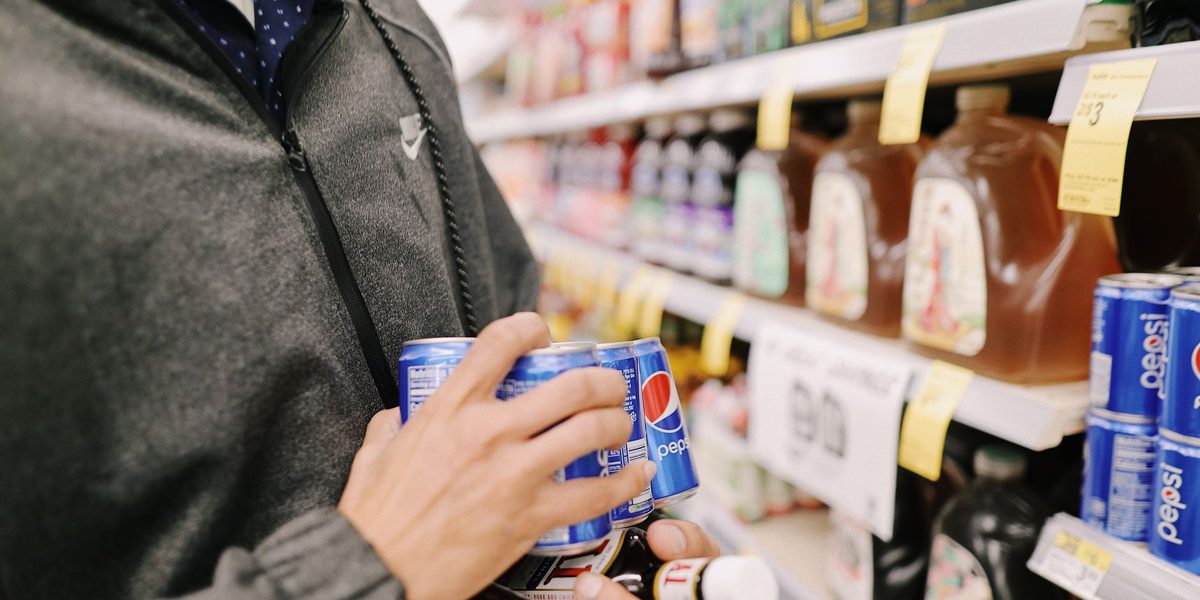
The goal is not a sugar-free life; it is reclaiming the decision. A few strategies deliver most of the benefit. Prioritize drinks first, because sweetened sodas, teas, coffees, and juices are the largest single source of added sugar for many people, and swapping toward water, sparkling water, or unsweetened versions removes a huge share in one move. Buy plain versions of yogurt, oatmeal, and nut butters and sweeten them yourself with fruit, cinnamon, or a small drizzle of honey; you will almost always use far less than the manufacturer did.
Choose savory staples, sauces, dressings, breads, by comparing labels once, then stick with the winners. And leave room for real dessert, chosen deliberately and enjoyed. A life where sugar appears in food you genuinely wanted as a treat, rather than smuggled into your lunch, is both healthier and more enjoyable.
Train Your Taste, Then Trust It
One encouraging fact about sugar is that preference is adaptable. Taste adjusts to what it regularly encounters, and people who gradually reduce the sweetness of their daily foods commonly report that formerly normal products begin to taste overwhelming within a matter of weeks. The sweetened yogurt that once seemed ordinary starts tasting like dessert, which is what it always was.
Gradual is the operative word. Step down by mixing plain and flavored versions, reducing sugar in coffee by half rather than all at once, and diluting juice with sparkling water. Each step feels small, and the palate quietly recalibrates underneath. After a while, hidden sugar stops being hidden at all, because you can taste it.
Cooking at home, even part of the time, is the quiet endgame of all this. When you make the pasta sauce, the dressing, or the oatmeal yourself, the added sugar is whatever you added, which is usually a fraction of the commercial amount or nothing at all. Home versions do not need to be elaborate: a vinaigrette is oil, vinegar, and mustard shaken in a jar, and a tomato sauce is a can of tomatoes simmered with garlic. Every meal that moves from package to pan is one more meal where sugar needs an invitation to attend.
Final Thoughts
Added sugar is not a villain to be hunted to extinction, but it has colonized everyday foods so thoroughly that most people eat far more than they realize or intend. The remedies are unglamorous and effective: know the savory and health-halo hiding spots, learn sugar's aliases, lean on the added sugars line, compare brands once, and let your palate adjust downward over time. For personalized guidance, especially if you are managing a health condition, a registered dietitian or your healthcare provider is the right resource. For everyone else, the label and a little curiosity are enough to put sugar back where it belongs: in plain sight.