It is one of the most common food complaints there is: breakfast at seven, stomach growling by ten. The mid-morning slump sends people to pastry cases and snack drawers, and by lunch they are hungry enough to overdo it. The problem usually is not that breakfast was too small. It is that the typical morning meal, built on refined carbohydrates and not much else, is structurally incapable of lasting. A few changes to what goes on the plate can stretch breakfast comfortably across the whole morning.
Why Most Breakfasts Fade by Mid-Morning
Look at the standard options: toast with jam, a bowl of flaked cereal, a muffin, a bagel, a glass of juice. Nearly all of them are refined carbohydrates with minimal protein, fiber, or fat. Refined carbs digest quickly, and the energy they deliver arrives in a surge and departs just as fast. The dip that follows feels like hunger, often paired with fading concentration, even though plenty of calories were consumed only a couple of hours earlier.
Sweetened coffee drinks and juices intensify the pattern, adding sugars in liquid form that are the fastest of all to absorb. In short, the classic quick breakfast behaves like a snack: pleasant, fast, and gone. A breakfast that lasts has to be built differently, around the nutrients that digest slowly and signal fullness clearly.
The Three Pillars of a Lasting Breakfast
Staying power comes from three nutrients working together. Protein is the strongest satiety signal per bite and is the single most common missing piece at breakfast. Fiber adds bulk and slows the digestion of everything eaten alongside it. Fat slows stomach emptying and makes modest portions feel finished.
A breakfast with all three, protein plus fiber plus some fat, digests gradually, releasing energy over hours instead of minutes. As a rough visual, aim for a solid protein source, a fiber-rich carbohydrate or fruit, and a thumb of fat: eggs with whole grain toast and avocado, or yogurt with berries and nuts. Neither takes longer to prepare than cereal takes to pour and eat, yet the difference at ten in the morning is dramatic.
Upgrade What You Already Eat
The easiest path to a lasting breakfast is not a new menu; it is upgrading the current one. Keep the format, change the construction:
- Toast: swap white bread for whole grain, then top with eggs, cottage cheese, nut butter, or avocado instead of only jam.
- Cereal: choose a high-fiber, low-sugar version, add milk or yogurt, and top with nuts and fruit.
- Oatmeal: use plain oats rather than sweetened packets, stir in nut butter or seeds, and finish with fruit and cinnamon.
- Smoothies: build on yogurt or milk, add oats or chia for fiber, include whole fruit rather than juice, and toss in a handful of spinach.
- Pancakes or waffles: top with yogurt and berries instead of relying on syrup alone.
Each swap keeps the breakfast you like while quietly installing the protein and fiber that make it last.
Make-Ahead Options for Rushed Mornings
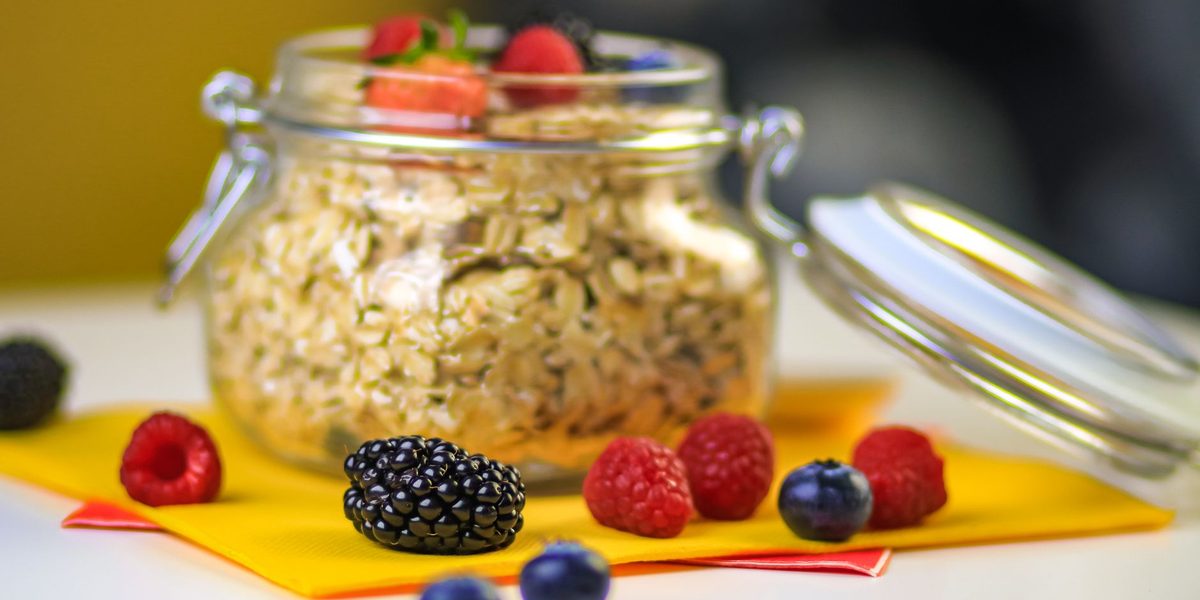
Mornings are the most time-pressed moment of the day, which is why fast refined options dominate. The counter is preparation. Overnight oats, oats soaked in milk or yogurt with chia seeds and fruit, assemble in two minutes the night before and wait in the fridge. Egg muffins, beaten eggs baked with vegetables and cheese in a muffin tin, reheat in under a minute and keep for days. Breakfast burritos filled with eggs and beans freeze beautifully and travel well.
Even simpler: hard-boil a batch of eggs on the weekend, portion yogurt and berries into jars, or set out tomorrow's ingredients before bed. The decisive moment for breakfast is rarely the morning itself; it is the five minutes of forethought the evening before. People who prepare ahead do not need more willpower at 7 a.m., because the good choice is already made.
Savory Breakfasts Deserve More Attention
Much of the world eats savory in the morning, beans, eggs, fish, vegetables, soups, and leftover dinners, and those traditions produce naturally lasting breakfasts. There is no rule that morning food must be sweet; that is marketing, not biology. Last night's stir-fry, a bowl of lentil soup, beans on whole grain toast, or a quick scramble with vegetables all outperform pastry by a wide margin.
Eggs in particular are a morning workhorse: inexpensive, fast, versatile, and genuinely filling. For those who cannot face cooking early, cottage cheese with tomatoes, smoked fish on rye crackers, or cheese with fruit and whole grain bread assemble in moments. Opening the morning menu to savory options instantly multiplies the number of breakfasts that can hold you until lunch.
Watch the Liquid Calories
Drinks can quietly undermine an otherwise solid breakfast. A large sweetened coffee drink or a tall glass of juice can carry as much sugar as a dessert, absorbed quickly and contributing almost nothing to fullness. The result is a breakfast that seems substantial on paper but behaves like candy in practice.
Simple adjustments preserve the pleasure: coffee or tea with milk rather than syrup-heavy preparations, whole fruit instead of juice, and water alongside the meal. Milk and unsweetened plant milks fortify rather than undermine, bringing protein or at least avoiding the sugar surge. None of this requires abandoning a beloved morning latte; it mostly means letting food, not the cup, supply the morning's sweetness.
Size, Timing, and Listening to Your Body
Not everyone wakes up hungry, and forcing a large breakfast on an unwilling stomach is no virtue. What matters is that whenever the first meal happens, it is constructed to last. Someone who genuinely prefers eating at ten can treat that as breakfast and build it on the same pillars. Others do best with something small and protein-rich early, a boiled egg or a yogurt, followed by a fuller meal later.
The signal worth watching is the gap between eating and genuine hunger. If a full breakfast evaporates within two hours, the composition likely needs more protein or fiber. If hunger arrives at a civilized late-morning hour, the meal is doing its job, and a planned snack can bridge any remaining distance to lunch. Appetites vary by person and by day, and the goal is a pattern that fits yours, not someone else's template.
A fair test of any breakfast change is a simple two-week trial. Pick one upgraded breakfast, eat it most mornings, and pay attention to two things: when real hunger arrives and how your focus holds through the late morning. Most people notice the difference within days, and that felt result is far more persuasive than any article. Keep the versions that earn their place, discard the ones that do not, and let the trial, not the trend, decide what your mornings look like. Rotating two or three proven winners through the week keeps the routine interesting enough to survive long after the experiment ends, and it leaves room for the occasional weekend pancake without any guilt attached.
Final Thoughts
A breakfast that holds you until lunch is not about eating more; it is about eating structure. Anchor the meal with protein, add fiber through whole grains and fruit, include a little fat, and keep sweet drinks from doing the heavy lifting. Upgrade the breakfast you already enjoy, prepare ahead for rushed mornings, and let savory options into the rotation. The mid-morning slump is not a personal failing; it is a predictable response to a fast-burning meal, and it disappears remarkably quickly once the morning plate is rebuilt. For individual dietary needs, a registered dietitian can tailor the details.