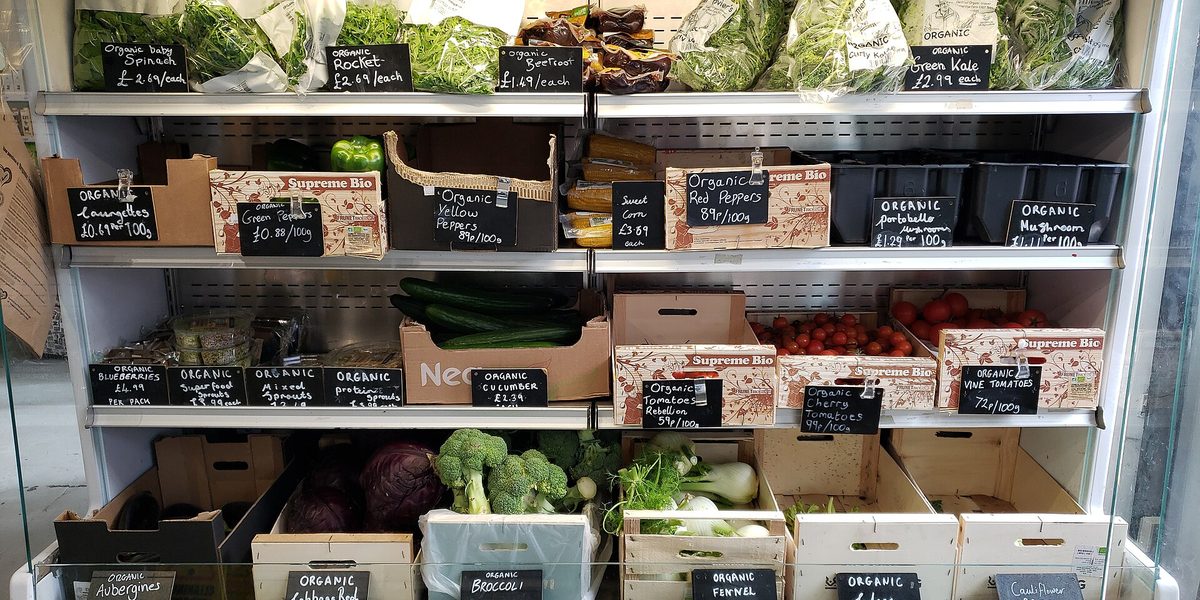
Protein gets the headlines, vitamins get the supplements aisle, and fats get the endless debates. Fiber, meanwhile, quietly does some of the most important work in the entire diet and receives almost no applause for it. Surveys consistently find that the vast majority of adults fall well short of recommended fiber intakes, and most people could not say how much they eat within even a rough range. If you want a single dietary change with broad, well-supported benefits and no fancy products required, fiber is the place to start.
What Fiber Actually Is
Fiber is the part of plant foods that your digestive enzymes cannot break down. It passes through the stomach and small intestine largely intact, which sounds useless until you realize that this is precisely the point. Along the way, fiber slows digestion, adds bulk, feeds the microbes living in your large intestine, and helps move everything through the system on schedule.
Because fiber only comes from plants, the foods that carry it are predictable: vegetables, fruits, beans, lentils, whole grains, nuts, and seeds. Meat, fish, eggs, dairy, and oils contain none. A diet built heavily on animal foods and refined grains can be rich in many nutrients while containing almost no fiber at all, which is exactly the pattern many modern diets follow.
Soluble and Insoluble: Two Jobs, One Team
Fiber comes in two broad types, and most plant foods contain a mix of both. Soluble fiber dissolves in water and forms a gel. It is the type associated with helping manage cholesterol levels and smoothing out how quickly sugars from a meal reach the bloodstream. Oats, beans, lentils, apples, citrus, and barley are classic sources.
Insoluble fiber does not dissolve. It adds bulk and acts like a broom, supporting regularity and keeping the digestive tract moving. Whole wheat, bran, nuts, and the skins of fruits and vegetables carry plenty of it. You do not need to track the two types separately; eating a variety of plant foods automatically delivers both. The distinction mainly matters as a reminder that fiber is not one substance with one job, but a family of compounds working at several points in the body.
Why It Deserves More Credit
The case for fiber is unusually broad. Diets rich in fiber are consistently associated with better digestive regularity, healthier cholesterol profiles, steadier energy after meals, and improved long-term health outcomes in large population studies. Fiber-rich foods also tend to be filling relative to their calories, because the bulk and the slower digestion signal fullness to the brain, which makes fiber a quiet ally for anyone managing their weight.
Then there is the gut microbiome. The trillions of bacteria in your large intestine ferment certain fibers and produce compounds that help nourish the gut lining and interact with the immune system. In a real sense, when you eat fiber you are feeding not just yourself but an entire internal ecosystem, and that ecosystem appears to repay the favor. Few nutrients can claim such a wide portfolio, which is why many dietitians, if forced to pick one thing the average person should eat more of, would answer fiber without hesitation.
How Much to Aim For
Common guidance suggests roughly 25 grams per day for adult women and about 38 grams for adult men, with some guidelines simplifying this to around 14 grams per 1,000 calories eaten. Most adults manage only half of that. The gap is not surprising when you consider what a gram of fiber looks like in food: a slice of white bread may contain less than one gram, while a cup of cooked lentils carries around 15.
You do not need to count grams forever. It can be instructive to tally a typical day once, just to see where you stand, and then shift to pattern-based thinking: beans or lentils most days, whole grains instead of refined ones, vegetables at lunch and dinner, fruit daily, and nuts or seeds as snacks. A day built on that pattern reaches the target without any arithmetic.
Painless Ways to Add More
The fastest route to more fiber is swapping, not adding chores. Each of these changes takes no extra cooking time:
- Choose whole grain bread, pasta, and tortillas over white versions.
- Pick oats or a bran-based cereal over refined breakfast cereals.
- Leave the skin on potatoes, apples, pears, and cucumbers.
- Add a can of rinsed beans or chickpeas to soups, salads, pasta sauces, and rice dishes.
- Snack on fruit, popcorn, nuts, or raw vegetables instead of chips and candy.
- Stir ground flaxseed or chia seeds into yogurt, oatmeal, or smoothies.
- Eat the fruit rather than drinking the juice, since juicing strips most of the fiber away.
Any three of these, done consistently, can move a typical diet a long way toward the recommended range.
Go Slowly and Drink Water
There is one genuinely important caveat: speed. If your current diet is low in fiber and you double your intake overnight, your digestive system will protest with gas, bloating, and general discomfort. The gut microbes need time to adjust to the new food supply, and your digestion needs time to adapt to the extra bulk.
The solution is to ramp up over a few weeks, adding one fiber-rich swap at a time and letting your body settle before adding the next. Fluids matter just as much, because fiber works by absorbing water; increasing fiber without drinking enough can actually worsen constipation rather than relieve it. A gradual increase paired with regular water intake lets almost everyone reach a high-fiber pattern comfortably. People with certain digestive conditions should talk with their healthcare provider first, since some situations call for tailored fiber strategies.
Food First, Supplements Second
Fiber supplements and gummies have their uses, and a healthcare provider may recommend them in specific cases. But they capture only a narrow slice of what fiber-rich foods provide. A psyllium capsule delivers one type of fiber; a bowl of lentil soup delivers multiple fiber types plus protein, minerals, and a range of beneficial plant compounds, all for a lower cost.
Fortified products advertising added fiber, such as certain snack bars and cereals, sit somewhere in the middle. The isolated fibers added to them count toward totals but may not behave identically to intact fiber in whole foods, and the products often arrive with generous sugar. Treat them as occasional conveniences rather than the backbone of your intake.
A simple way to keep food in the lead is to anchor each meal with one fiber source you genuinely enjoy: oats or whole grain toast at breakfast, a bean or lentil element at lunch, a generous vegetable side at dinner, and fruit or nuts between. Enjoyment matters more than optimization here, because fiber only works when it shows up every day. The best high-fiber food is always the one you will actually keep eating, not the one a chart ranks highest. Build the habit on foods you look forward to, and the grams take care of themselves without a supplement in sight.
Final Thoughts
Fiber will never be glamorous. It has no celebrity endorsements and no dramatic transformation stories, just a steady record of supporting digestion, fullness, heart health, and the microbial world inside you. The path to more of it is equally unglamorous: beans, whole grains, vegetables, fruit, nuts, and seeds, introduced gradually and eaten regularly. Give it a few weeks of honest effort and fiber quietly proves why so many nutrition professionals consider it the most underrated nutrient on the plate.