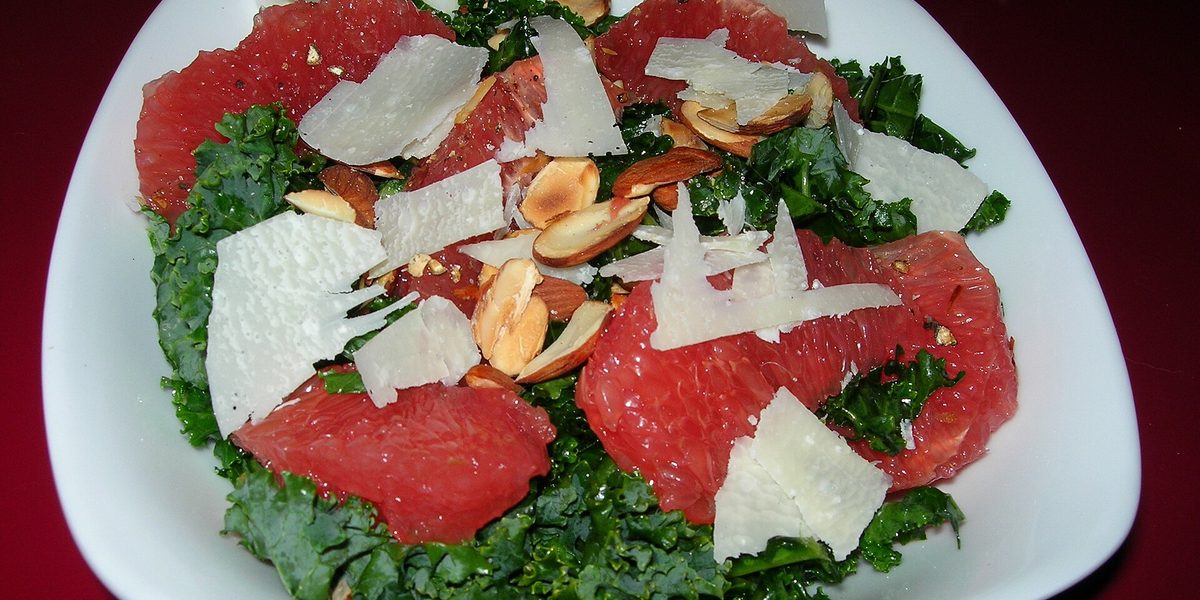
Ask almost anyone where calcium comes from and the answer arrives before you finish the question: milk. Dairy is certainly a convenient source, but it is far from the only one, and plenty of people — whether lactose intolerant, vegan, allergic, or simply not fans of the stuff — need other routes to this essential mineral. The happy truth is that calcium is scattered generously across the plant kingdom, the seafood counter, and the fortified-foods shelf. With a little know-how about which sources are best absorbed and how to combine them, you can support your bones, muscles, and nerves without a milk carton ever entering your fridge.
Why Calcium Deserves Your Attention
Calcium is the most abundant mineral in the human body, and the vast majority of it lives in your bones and teeth, where it provides structure the way steel rebar supports concrete. But bones are not static storage; they are constantly being broken down and rebuilt, and the body also draws on calcium for jobs that cannot wait — muscle contractions, nerve signaling, and helping blood clot properly.
Here is the part that makes daily intake matter: when the bloodstream runs short, the body simply withdraws calcium from the skeleton to cover the shortfall. Do that occasionally and it is no problem; do it chronically for years and bone density quietly erodes. Since bone is easiest to build when you are young and easiest to lose later in life, a steady dietary supply is one of the simplest long-term investments you can make. Anyone concerned about bone health specifically should raise it with a healthcare provider, who can assess the full picture.
Leafy Greens: The Original Calcium Source
Long before dairy farming existed, greens were doing this job. Kale, bok choy, collard greens, turnip greens, and broccoli all deliver calcium in a form the body absorbs remarkably well — in some cases at a higher absorption rate than milk itself.
There is one catch worth knowing. Spinach and Swiss chard, despite their healthy reputations, are poor calcium sources in practice because they are high in oxalates, natural compounds that bind the mineral and escort most of it out of the body unused. They remain excellent foods for other reasons, so keep eating them — just do not count them toward calcium. The friendly mnemonic: the milder-tasting brassica greens (kale, bok choy, broccoli) are the calcium team; the sharp, earthy ones (spinach, chard, beet greens) are playing a different sport.
Tofu, Beans, and the Legume Lineup
Tofu is one of the quiet champions of non-dairy calcium, with an important footnote: it depends on how the tofu was made. Tofu set with calcium sulfate — which the ingredient list will state plainly — carries substantial amounts of the mineral, while tofu set with other coagulants carries much less. It takes two seconds to check the label and it genuinely changes the math, so make it part of how you shop for tofu from now on.
Beyond tofu, the legume family contributes steadily rather than spectacularly. White beans, navy beans, chickpeas, and edamame all add meaningful calcium per serving, and because they are foods you can eat in generous portions — in soups, stews, salads, and dips — their contribution across a week adds up faster than the per-serving numbers suggest. Tempeh and other fermented soy foods join the list too, with the bonus that fermentation improves mineral availability.
Small Fish, Big Payoff
Canned sardines and canned salmon with the bones included are among the most concentrated calcium sources in any grocery store. The canning process softens the tiny bones until they are completely edible — most people never notice them mashed into a salmon patty or sardines on toast — and those bones are where the calcium lives.
If the idea sounds unappealing, start with canned salmon, where the softened bones blend invisibly into salmon cakes, pasta dishes, or sandwich filling. Sardines mashed with lemon, mustard, and black pepper on good bread convert more skeptics than any nutrition lecture. As a bonus, both fish bring protein and healthy fats along for the ride, making them one of the best value-per-can items you can buy.
Fortified Foods: Reading the Fine Print
Fortification is the modern shortcut, and for many non-dairy eaters it does the heaviest lifting. Soy, almond, oat, and other plant milks are commonly fortified to calcium levels comparable to dairy milk, and fortified orange juice, breakfast cereals, and some breads extend the list further.
- Check the label: fortification varies widely between brands and even between varieties from the same producer, so the percent daily value is your guide.
- Shake the carton: added calcium in plant milks can settle at the bottom; a good shake before pouring makes sure it ends up in your glass rather than the recycling bin.
- Mind the sugar: some fortified products pair their calcium with generous added sugars — the unsweetened versions are usually fortified just the same.
Treat fortified foods as reliable infrastructure: one or two servings a day creates a dependable base that the whole-food sources then build upon.
Helping Your Body Actually Use It
Getting calcium into your mouth is half the job; absorption is the other half. Vitamin D is calcium's essential partner — without adequate levels, the gut absorbs far less of what you eat. Sunlight, fatty fish, egg yolks, and fortified foods supply it, though many people in less sunny climates discuss vitamin D status with their healthcare provider, which is a reasonable conversation to have.
Absorption also favors moderation over mega-doses: the body takes up calcium more efficiently in smaller amounts spread through the day than in one large hit. Weight-bearing movement — walking, jogging, strength training, even dancing — signals bones to hold onto their minerals, making exercise a genuine part of calcium strategy. Meanwhile, very high salt intake and heavy caffeine habits can nudge calcium losses upward, one more reason the overall pattern of eating matters more than any single food.
A Day of Dairy-Free Calcium in Practice
Here is how effortlessly it can stack up. Breakfast: fortified oat milk over fortified cereal, or a smoothie built on fortified soy milk with a handful of kale. Lunch: a white bean and broccoli soup, or a grain bowl topped with sesame-dressed edamame. Snack: almonds, a couple of dried figs, or hummus with vegetables — chickpeas and tahini both contribute. Dinner: a stir-fry of calcium-set tofu and bok choy, or salmon cakes made from canned salmon, bones and all.
No single item is doing heroic work there; the total emerges from pleasant, ordinary meals. That is the pattern worth copying — spread the sources out, lean on one or two fortified staples, and let variety do the rest. If a day comes up short, the week can still balance out, because bones keep their accounts on a long timescale; what matters is the running average, not any single day's tally.
Final Thoughts
Dairy is a fine calcium source for those who enjoy it, but it holds no monopoly. Brassica greens, calcium-set tofu, beans, canned fish with bones, almonds, sesame, and well-chosen fortified foods can meet the same need — often with extra fiber and healthy fats thrown in. Pair your intake with vitamin D and regular weight-bearing movement, spread it across the day, and check labels where fortification is involved. If you have specific concerns about bone density or are considering supplements, loop in a healthcare professional. For everyone else, the dairy-free road to strong bones is wide open and surprisingly delicious.