Some people glide through life with a water bottle permanently attached to one hand. The rest of us look up at four in the afternoon, realize we have consumed nothing but coffee, and feel vaguely guilty about it. If reminders, apps, and fancy bottles have never turned you into a diligent sipper, here is a comforting fact: a meaningful share of your daily fluid intake can come from food. Water-rich fruits, vegetables, soups, and even dairy quietly contribute to hydration with every bite, no discipline required. Building a few of these foods into your routine means your meals do some of the remembering for you.
Yes, Food Counts Toward Hydration
Hydration guidance tends to fixate on glasses of water, but the body is not keeping separate ledgers. Fluid from food is absorbed and used exactly like fluid from a cup, and for most people, food already supplies a notable portion of daily intake — more if your diet leans on produce, less if it leans on crackers and toast.
There is even a small advantage to eating your water: food releases its fluid gradually during digestion, accompanied by minerals like potassium that help the body hold onto it. A juicy orange delivers its water alongside fiber and electrolytes, which is a gentler, steadier drip than chugging a pint at your desk. None of this makes drinking obsolete — you still need the glass and the tap — but it means every water-rich meal is quietly working in your favor, and forgetful drinkers can stack the deck deliberately.
The Produce All-Stars: Mostly Water, Wearing a Disguise
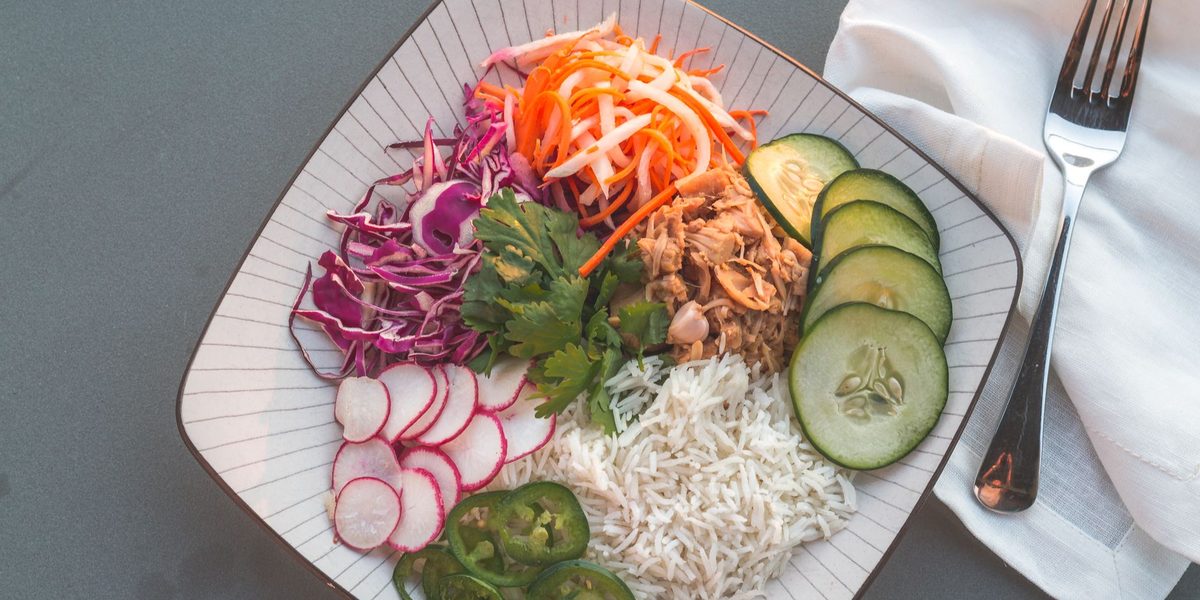
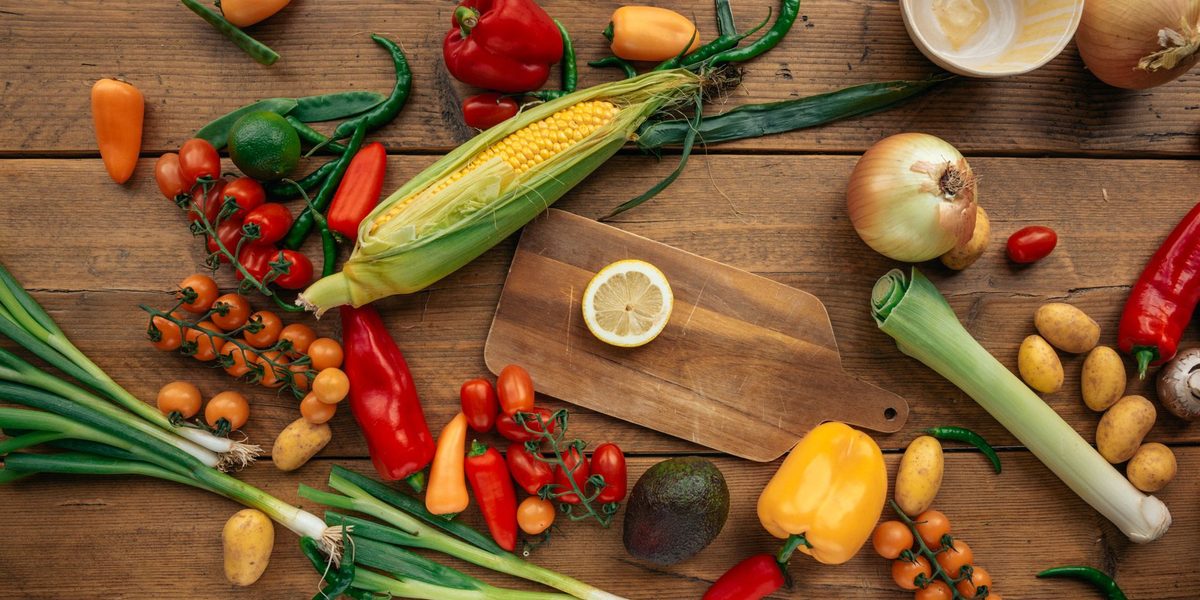
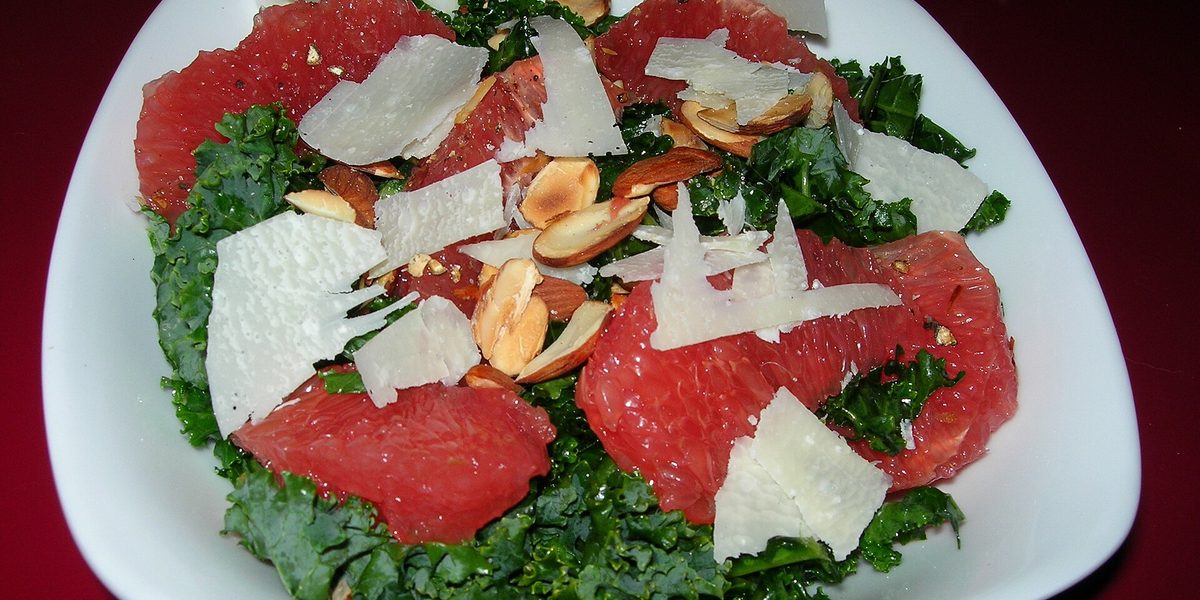
Many fruits and vegetables are, by weight, overwhelmingly water. The classics earn their reputation: cucumber, lettuce, celery, zucchini, tomatoes, and radishes are all near the top of the chart, and watermelon practically announces its credentials in its name. Strawberries, cantaloupe, peaches, oranges, and grapefruit follow close behind.
- Crunchy hydrators: cucumber, celery, bell peppers, lettuce, radishes — ideal as snacks and salad bases.
- Sweet hydrators: watermelon, cantaloupe, strawberries, oranges, peaches, grapes — dessert that doubles as a drink.
- Cooking hydrators: zucchini, tomatoes, cabbage, cauliflower, mushrooms — they carry their water into cooked dishes too.
The practical move is to make one of these the default snack in your house. A bowl of cut melon or washed grapes at eye level in the fridge gets eaten; the same fruit buried in a drawer does not. Every handful is hydration you never had to think about.
Soup, Broth, and the Underrated Power of Warm Liquids
Soup is hydration wearing a dinner costume. Broth-based soups — chicken noodle, minestrone, miso, vegetable, pho-style bowls — are mostly water by volume, seasoned into something you actually look forward to. For people who find plain water boring, this matters psychologically: nobody forgets to eat lunch the way they forget to drink.
Keep a few cartons of low-sodium broth around and soup becomes a ten-minute assembly job: broth, whatever vegetables are in the crisper, a handful of noodles or beans, done. In colder months when the urge to drink cold water fades, a mug of broth or a brothy soup fills the gap naturally. One caution: canned and restaurant soups can be heavy on sodium, which works against the goal, so favor lower-sodium versions where you can and do the final seasoning at the table, where a little salt goes much further.
Dairy and Dairy Alternatives Pull Double Duty
Milk, kefir, and drinkable yogurts are high-water foods that bring protein, calcium, and electrolytes along with their fluid. Plain yogurt — the regular kind more so than thick strained styles — is a respectable hydrator too, especially with water-rich fruit stirred in. Smoothies built on milk or fortified plant milk with frozen fruit are essentially hydration in milkshake clothing.
Plant-based milks count just the same, being mostly water by composition. If you enjoy a glass of milk with a meal or a smoothie as an afternoon snack, you are layering fluid into your day through habits that already exist — which is the entire strategy for people who forget to drink: attach hydration to things you reliably do anyway, like eating.
Breakfast Is a Hidden Opportunity
Mornings are when many forgetful drinkers are at their driest, having gone all night without fluid and then headed straight for coffee. Breakfast choices can quietly fix this. Oatmeal is made almost entirely of absorbed liquid — cook it with milk or extra water and you are eating a bowl of hydration. Overnight oats, chia puddings, and smoothie bowls work the same trick. Fresh fruit on cereal, melon on the side, or yogurt with berries all add to the morning tally.
Compare that to a dry bagel or toast-only breakfast, which contributes almost nothing toward your fluid needs, and the difference across a week becomes genuinely substantial without a single conscious act of remembering. You do not have to change what you like — just tilt toward the wetter versions of it. Even a glass of milk or a small smoothie alongside the usual toast moves the needle without feeling like a hydration chore.
Seasoning the Habit: Small Tricks That Compound
A few low-effort tactics turn food-based hydration from an idea into a routine. Start meals with something water-rich — a side salad, a cup of soup, a few melon slices — so hydration happens before you are full. Keep cut produce visible and ready; preparation friction is the main reason vegetables go uneaten. When you cook grains like rice or quinoa, pair them with saucy, brothy, or tomato-based dishes rather than dry preparations.
And give sparkling water with fruit a fair chance as your boring-water alternative: a squeeze of citrus or a few crushed berries makes it feel like a treat rather than a task. The common thread is attachment — every trick hooks fluid onto a behavior you already perform without reminders, which is exactly where forgetful drinkers win. Frozen fruit deserves a mention here too: it keeps for months, drops straight into smoothies, and a bowl of frozen grapes or mango chunks makes a hydrating dessert that requires no planning at all. The freezer, oddly enough, is one of the forgetful drinker's best allies.
Signs You Still Need the Actual Glass
Food can carry a real share of the load, but it cannot carry all of it, and some situations raise the stakes: hot weather, exercise, long flights, illness, and salty restaurant meals all increase fluid needs beyond what meals supply. The body sends readable signals — thirst, obviously, but also darker urine, headaches, fatigue, and difficulty concentrating can accompany running low.
A sensible rule for the forgetful: drink a glass of water with every meal, since you have already remembered to eat, and let water-rich foods cover the gaps between. Anyone with kidney issues, heart conditions, or other medical circumstances affecting fluid balance should follow the guidance of their healthcare provider rather than general rules of thumb — fluid needs are one of those areas where personal medical advice genuinely matters.
Final Thoughts
Hydration does not have to be a discipline problem. If the water bottle keeps losing the battle for your attention, change the battlefield: let melon, cucumber, oranges, soup, yogurt, and oatmeal smuggle fluid into your day through meals you were going to eat anyway. Anchor one glass of water to each meal, keep cut produce where you can see it, and lean on broth when the weather turns cold. The sippers can keep their bottles — you will be hydrating with a fork.