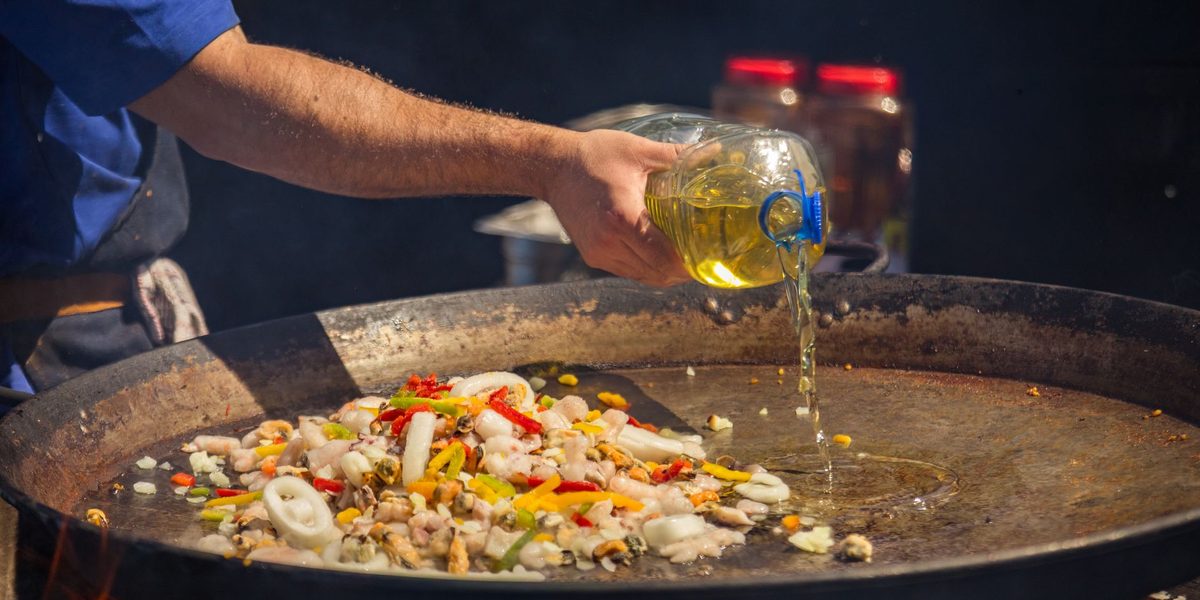
Few pantry decisions cause as much quiet confusion as the oil shelf. Olive, canola, coconut, avocado, butter, and a dozen others compete for space, each trailing its own cloud of claims and warnings. One year a fat is demonized, the next it is a miracle. The practical truth is calmer: most home cooks need only a few fats, chosen for how they behave in the pan and how they fit into an overall eating pattern. Here is how to sort the shelf without a chemistry degree.
The Big Picture on Fat and Health
Mainstream nutrition guidance has largely moved past the era of avoiding fat altogether. Fat is essential: it carries flavor, keeps meals satisfying, and helps the body absorb certain vitamins. What matters is the type. Unsaturated fats, the kind that dominate olive oil, canola oil, avocados, nuts, and fish, are generally encouraged, and replacing saturated fats with them is a common recommendation for supporting heart health.
Saturated fats, concentrated in butter, coconut oil, palm oil, and fatty meats, are generally advised in moderation rather than abundance. None of this makes butter poison or olive oil medicine; it simply suggests which fats should do the everyday work and which should play supporting roles. Anyone managing cholesterol or heart conditions should get individual guidance from a healthcare professional, since personal circumstances matter more than general rules.
Smoke Point, Demystified
Every fat has a temperature at which it stops shimmering and starts smoking, breaking down and turning acrid. That threshold is the smoke point, and it is the main technical reason to match a fat to a cooking method. Delicate, unrefined oils with low smoke points suffer in a screaming hot pan, while refined oils with high smoke points shrug it off.
The good news is that home cooking is gentler than people assume. Sauteing and most pan cooking sit comfortably within the range of common oils, including ordinary olive oil, which handles everyday stovetop work better than its fragile reputation suggests. The situations that genuinely demand high smoke point fats are searing at maximum heat, stir-frying in a ripping hot wok, and deep frying. For those jobs, refined oils such as canola, peanut, sunflower, or avocado oil are the right tools.
The Everyday Workhorses
If one bottle anchors the kitchen, a strong case goes to olive oil. It is versatile, widely studied, and central to eating patterns with long records in nutrition research. A sensible setup is two tiers: a moderately priced olive oil for cooking, and if you enjoy it, a more flavorful extra virgin bottle reserved for finishing, dressings, and bread, where its character actually gets tasted.
Alongside it, a neutral high-heat oil covers everything olive oil does not suit: canola, peanut, sunflower, or avocado oil all qualify. Neutral oils step aside flavor-wise, which is exactly what stir-fries, searing, and baking often want. With those two bottles, an olive oil and a neutral refined oil, the overwhelming majority of home cooking is covered.
Butter, Coconut, and the Flavor Fats
Some fats earn their place through flavor rather than versatility. Butter is unmatched for baking, finishing sauces, eggs, and toast, and it browns into something genuinely special; its saturated fat profile simply argues for using it where it shines rather than as the default for everything. Ghee and clarified butter keep much of the flavor while tolerating higher heat, since the milk solids that burn have been removed.
Coconut oil had a long moment in the spotlight, but it is among the most saturated fats in the kitchen, and mainstream guidance treats it like butter: a flavor choice for specific dishes, such as certain curries and baked goods, rather than an everyday upgrade. Toasted sesame oil belongs in the same category as a finishing fat, drizzled at the end for aroma rather than used as a cooking medium. Flavor fats are seasonings as much as they are ingredients, and a little goes a long way.
Reading Labels and Storing Oils
Oil marketing is thick with terms, but only a few matter. Cold-pressed and extra virgin indicate less processing and more flavor, best protected in low-heat uses. Refined means stripped and stabilized, which brings a higher smoke point and neutral taste. Light refers to flavor, not calories, since all oils are essentially identical in energy.
- Buy sizes you will finish within a few months, because oil quality fades after opening.
- Store bottles away from heat and light, which means not beside the stove, however convenient that looks.
- Dark glass or tins protect delicate oils better than clear plastic.
- If an oil smells like crayons, old nuts, or putty, it has gone rancid and should be replaced; rancid oil will flatten the flavor of everything it touches.
Rancidity is the most common oil problem in home kitchens, and the giant bargain bottle is usually the culprit, going stale long before it runs out.
How Much Fat Is the Right Amount?
Technique aside, quantity deserves a word. Fat is calorie-dense, and pours from the bottle are easy to underestimate, with a casual glug often being several times the tablespoon a recipe intended. That is not a reason for fear, just for awareness: measuring occasionally recalibrates the eye, and a thumb-sized amount of added fat per meal is a reasonable everyday visual.
It also helps to think about where fat does the most good. A tablespoon of olive oil tossed with vegetables makes them delicious and helps absorb their nutrients, which is money well spent. The same tablespoon absorbed into the bottom of an overcrowded frying pan adds calories without adding much pleasure. Spend fat where you can taste it: in dressings, drizzles, marinades, and finishing touches.
Matching Fat to Task: A Quick Reference
Pulling it together, the pairings become intuitive. Salads, dips, and finishing call for extra virgin olive oil, toasted sesame oil, or nut oils. Everyday sauteing and roasting are happy with regular olive oil or a neutral oil. High-heat searing, stir-frying, and frying want refined neutral oils such as canola, peanut, sunflower, or avocado. Baking typically asks for butter or a neutral oil depending on the recipe, and eggs and pan sauces are where butter earns its keep.
With that map, the crowded oil aisle shrinks to a short list: one olive oil you like, one neutral high-heat oil, butter for flavor and baking, and perhaps one or two specialty fats for the cuisines you cook most. Everything else is optional.
One last practical note on reuse and disposal. Oil used for shallow frying can often be strained and reused once or twice if it still smells clean, but oil that has smoked heavily or turned dark should be retired. Never pour fat down the drain, where it solidifies and clogs pipes; let it cool, then bin it in a sealed container or check whether your area collects cooking oil for recycling. Small housekeeping habits like these keep the kitchen running as smoothly as the cooking itself, and they spare you both plumbing bills and the disappointment of frying tonight's dinner in yesterday's burnt oil.
Final Thoughts
Cooking fats reward a little knowledge and punish none of it. Favor unsaturated oils for daily cooking, reserve the saturated and specialty fats for where their flavor matters, respect smoke points at genuinely high heat, store bottles with care, and pour with intention. A kitchen can run beautifully on three or four fats chosen this way, and the endless cycle of oil headlines becomes background noise. As always, individual health conditions can change the advice, so consult a qualified professional for guidance specific to you.