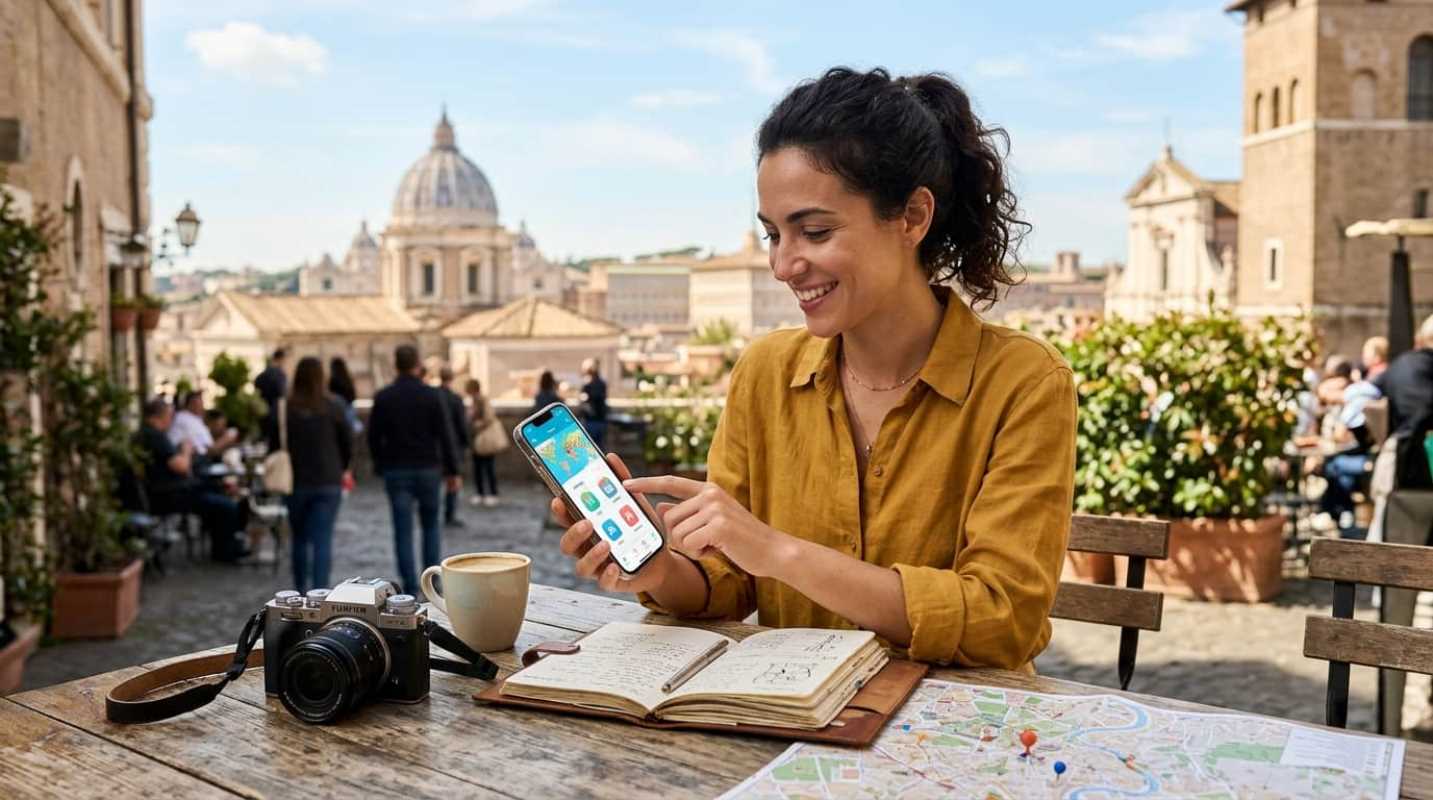
Have you ever stared at a booked flight confirmation, feeling a sudden wave of panic instead of excitement? It's completely normal. Taking your first solo trip is a massive step, and those pre-trip jitters are just proof that you care about your well-being.
The solo travel world is growing faster than ever. The global market was valued at 482.5 billion dollars in 2024 and is projected to exceed 1 trillion dollars by 2030.¹ In the United States alone, the market is expected to double to over 190 billion dollars by 2030.¹ You're definitely not alone in wanting to explore the world on your own terms.
But let's be real. Safety is a major hurdle. For female travelers, 55 percent say safety is their top concern, compared to just 18 percent of men.² So how do you cross that bridge?
It starts with a mindset shift. You don't need to be afraid, you just need to be cautious. Think of safety not as a set of restrictive rules, but as the foundation that gives you the freedom to explore. By shifting your perspective from fearful to prepared, you turn anxiety into fuel for a fantastic adventure.
Pre-Trip Planning and Your First Line of Defense
Planning is how you build your confidence before you even pack a bag. When you're a beginner, trying to wing your first few days is a recipe for stress. You want to arrive with a clear plan so you aren't standing on a street corner looking vulnerable.
Start by researching your destination thoroughly. Look up safe neighborhoods, local customs, and common transportation options. Knowing what to expect helps you blend in and make smart choices.
Set up a solid system to keep your loved ones informed without feeling like you're constantly checking in with a boss. Use these steps to build your defense system
• Share your plans - Use an app like TripIt to compile your flights, hotels, and activities, then share the live link with a trusted friend.
• Register your trip - If you're a US citizen, sign up for the Smart Traveler Enrollment Program (STEP) so the local embassy can reach you in an emergency.
• Secure your protection - Buy travel insurance the day you book your trip. A common mistake is waiting too late, with 28 percent of solo travelers buying coverage within just a week of departure, which can leave you unprotected for cancellations.³
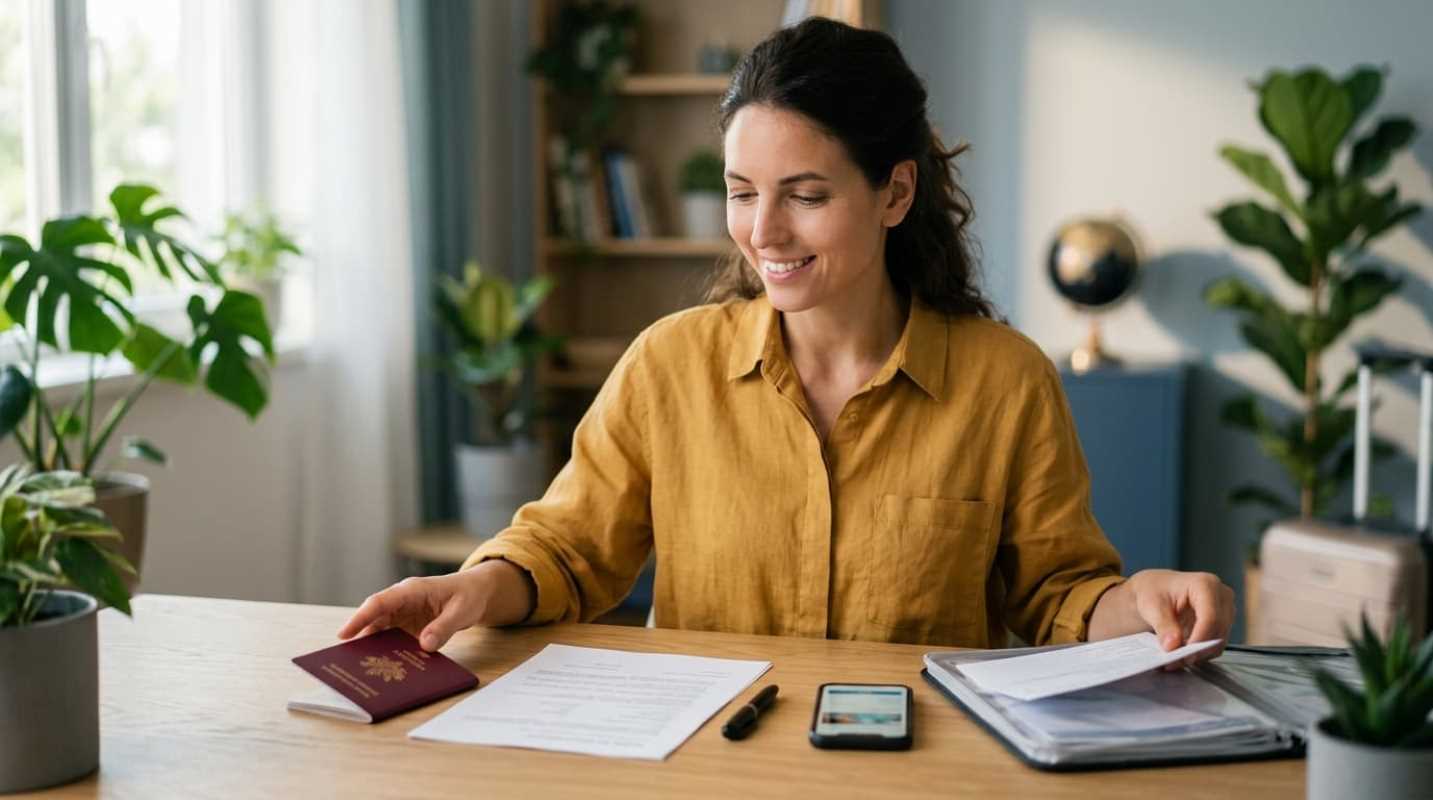
• Digitize your documents - Keep photos of your passport, visas, and emergency numbers in a secure cloud folder that you can access offline.
Mastering Travel Security on the Go
Once you land, your focus shifts to active security. Because you don't have a travel partner to watch your back, you have to be your own security guard. This means paying attention to your surroundings at transit hubs and keeping your belongings secure.
Physical security is only half the battle these days. Digital safety is just as important. With a 30 percent rise in digital scams targeting travelers, and AI-powered scams costing victims 13 billion dollars recently, you must protect your data.
Here is how to keep your physical and digital assets safe while moving
• Ditch public Wi-Fi - Avoid unsecured airport or cafe networks. Use a Virtual Private Network like Surfshark or NordVPN to encrypt your data.
• Get an eSIM early - Don't wander around looking for a physical SIM card. Use apps like Airalo or Holafly to install an eSIM before you arrive so you have instant data.
• Avoid public USB ports - Hackers can modify public charging stations to steal data. Carry a portable power bank and plug directly into wall outlets.
• Use tracked rideshares - Avoid hailing random street taxis. Use apps like Uber, Grab, Bolt, or DiDi because they track your route and let you share your ride status.
• Secure your room - Carry a cheap rubber doorstop alarm. Wedge it under your door from the inside to block anyone from entering, even if they have a key.
Navigating Social Situations and Trust
Meeting new people is one of the best parts of traveling alone. But how do you balance being social with staying safe?
It comes down to setting firm boundaries. You don't owe anyone your politeness if something feels off. If a stranger is asking too many questions, it's perfectly fine to walk away or tell a white lie. Trust your gut instincts over social expectations every single time.
Keep these social rules in mind to protect yourself
• Keep public spaces public - Enjoy getting to know new friends, but never leave a public area to go to a private room or secluded spot with someone you just met.
• Hide your solo status - You don't need to tell everyone you meet that you're traveling alone. Mention a fictional friend or spouse waiting for you at the hotel.
• Watch out for new scams - Be aware of modern tricks like AI voice cloning, where scammers use social media clips to mimic your voice and call your family for money. Set up a secret family password before you leave to verify emergency calls.
• Protect your cards - Use an RFID-blocking wallet to prevent thieves from scanning your contactless cards in crowded markets.
• Record your rentals - Take a quick video of your accommodation when you check in and check out to avoid hosts who use fake photos to claim damages.
Staying Connected and Calm
Staying calm when things go wrong is a superpower. When you have a reliable connection and a flexible plan, you can handle almost anything.
Always download offline Google Maps of your destination before you leave your accommodation. If your cell service drops, you can still find your way back without looking lost. A portable power bank like an Anker charger is an absolute necessity to make sure your phone never dies when you need it most.
Keep your itinerary flexible enough to avoid late-night arrivals in unfamiliar cities. Arriving during daylight makes finding your hotel much easier and safer.
If you're still deciding where to go, pick a destination known for safety and ease of travel. Singapore scored a perfect 10 out of 10 for safety in recent travel indexes, while Copenhagen, Stockholm, Oslo, and Japan are incredibly welcoming for first-timers.
To help you get started on your journey, here are some of the best tools and services to keep you safe and connected.
Sources:
1. indiatimes.com
https://travel.economictimes.indiatimes.com/news/research-and-statistics/solo-travel-interest-surges-independent-travelers-fuel-record-growth/131540602
2. hostelworld.com
https://www.hostelworld.com/state-of-solo-travel
3. forbes.com
https://www.forbes.com/sites/christopherelliott/2026/03/28/the-solo-travel-survival-guide-dont-make-these-travel-insurance-mistakes/