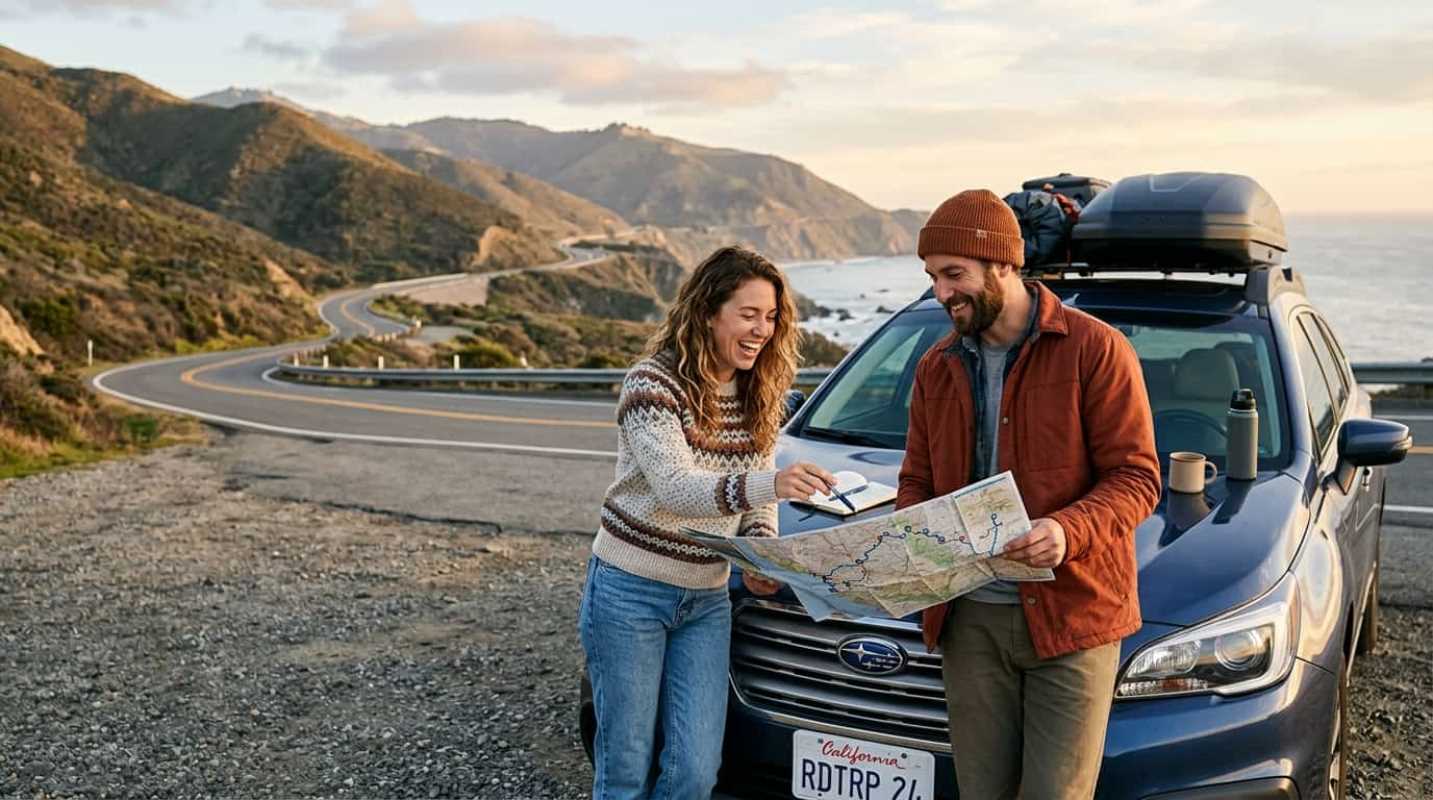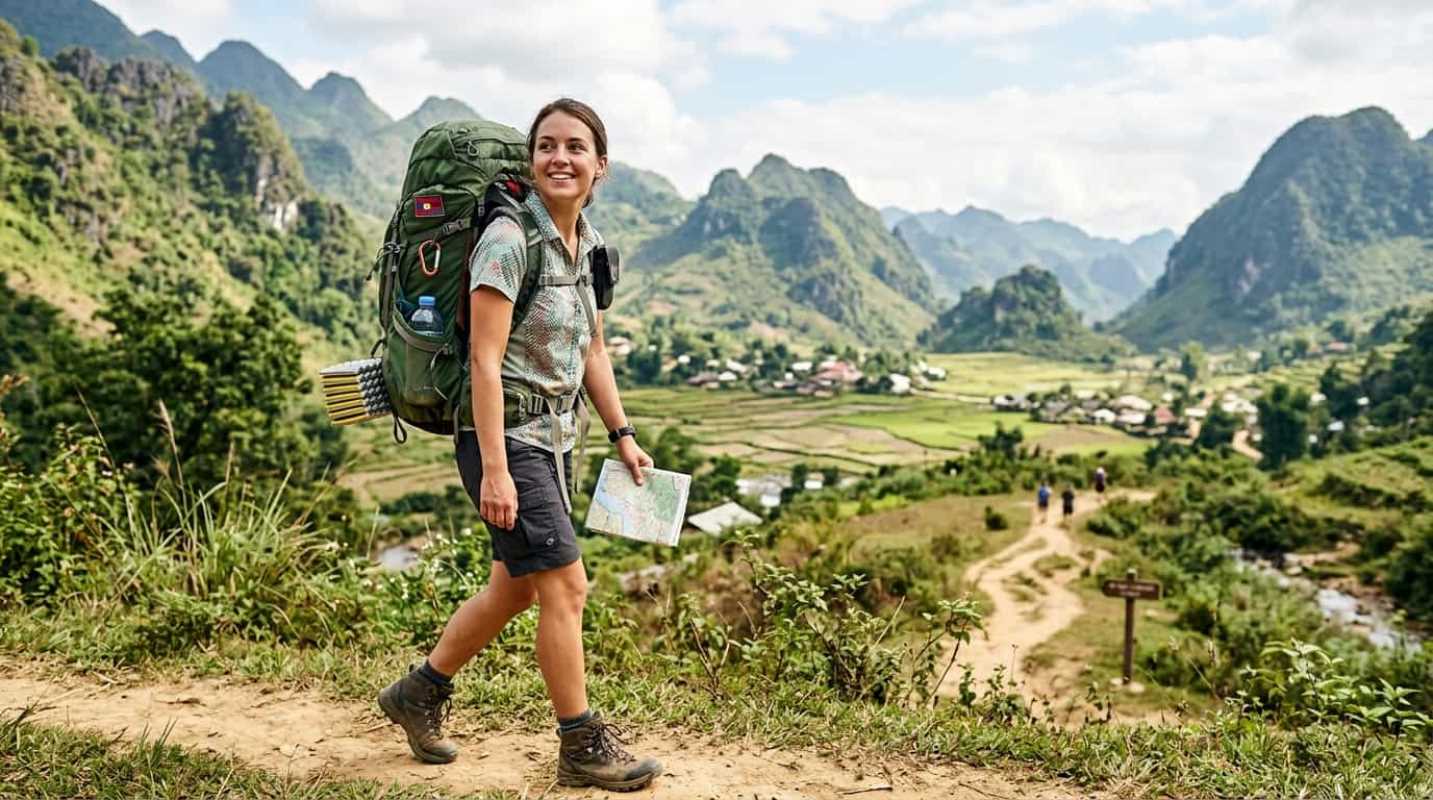
Have you ever looked at sustainable travel advice and thought it sounded like a chore? For years, eco-friendly travel had an image problem. People assumed it meant staying in cold hostels, taking grueling multi-day bus rides, or eating bland food while feeling guilty about every footstep. You were told to cut back, sacrifice, and turn off the fun for the sake of the planet.
That idea is completely wrong. Sustainable travel is not about doing less or suffering through a budget vacation. It is about traveling better. When you trim away the tourist traps, plastic clutter, and chaotic flight transfers, you are left with something far superior: genuine local experiences, effortless comfort, and deep cultural immersion.
With travel generating over 11 trillion dollars globally and supporting one in nine jobs, our collective footprint is massive.¹ According to recent research from Booking.com, more than half of modern travelers now actively seek choices that respect local communities and environments.⁴ Over 40 percent are intentionally skipping crowded hotspots to find quieter, off-the-beaten-path destinations.⁴
You do not need to choose between an incredible vacation and an ethical journey. You can easily have both.
Mastering Eco-Conscious Transportation Choices
Getting from point A to point B is usually the largest piece of your travel carbon footprint. Commercial aviation alone accounts for a significant chunk of global transport emissions, but changing how you move does not mean sacrificing speed or comfort. In fact, ground-based transit is often a massive upgrade in comfort.
Here is how to optimize your transit choices without losing travel time.
• Embrace the beauty of trip chaining: Instead of booking three separate weekend flights across the year, combine your time into one longer, 10-day or 14-day trip. You cut out extra flights, reduce airport stress, and actually give yourself time to unwind.
• Choose high-speed rail over domestic flights: Taking a train cuts travel emissions by up to 90 percent compared to a short-haul flight. You also trade chaotic airport security lines, hidden baggage fees, and middle seats for spacious city-center terminals, free Wi-Fi, and panoramic countryside views.
• Fly direct when air travel is mandatory: Takeoff and landing consume the largest share of a plane's fuel. Booking a direct flight cuts emissions significantly. Combine this with a lightweight travel wardrobe to reduce aircreate weight and save fuel.
• Explore cities on foot or by bike: Skip the back seat of a rideshare car stuck in gridlock traffic. Renting an e-bike or using local public transit puts you right in the middle of the neighborhood atmosphere, letting you stumble across hidden cafes and quiet squares you would otherwise miss.
When flights are unavoidable, support verified high-integrity carbon reduction programs that invest directly in local reforestation or clean energy initiatives.
Supporting Local Communities for a Deeper Connection
Did you know that up to 80 percent of tourist spending in developing nations never stays in the host destination? UN Tourism refers to this phenomenon as economic leakage.² In many foreign-owned, all-inclusive resorts, as little as five dollars out of every hundred dollars spent actually reaches the local community.²
When you spend your money locally, your trip becomes richer, and your money stays where it matters.
Stay in Locally Owned Accommodations
Swapping cookie-cutter corporate hotel chains for family-owned guesthouses, boutique eco-lodges, or locally operated apartments gives you an immediate window into real local culture. You get personalized insider tips from your hosts, handmade regional breakfasts, and unique architecture. Boutique properties like Central America's Cayuga Collection have reduced their economic leakage rate to under ten percent simply by hiring local staff and sourcing regional goods.
Eat and Shop at the Source
Skip international fast-food chains and resort buffets. Eat at family-run trattorias, street stalls, and neighborhood markets. The food is fresher and cheaper, but your money goes directly to the farmers, cooks, and vendors who live there. The culinary experience is infinitely better when the ingredients travel five miles instead of five thousand.
Partner with Community Tour Guides
Instead of booking generic, mass-market bus tours, hire independent local guides or book activities through community-based tourism enterprises. You get authentic storytelling, personal history, and access to places large tour buses cannot reach.
Practical Approaches for Reducing Your Travel Footprint
Aware habits do not spoil your luxury experience. They simply eliminate waste and streamline your day. A few simple tweaks to your packing list and daily routine can dramatically lower your impact.
Here are practical habits to adopt on your next journey:
• Pack high-quality reusable gear: Bring a durable stainless steel water bottle, a compact tote bag, and a travel utensil kit. You avoid hundreds of single-use plastic cups and bags while staying hydrated on the go.
• Respect local energy resources: Delicate island ecosystems and dry regions struggle with high utility loads. Simple habits like reusing bath towels, taking reasonable showers, and switching off high-load air conditioning when leaving your room cost you zero comfort while conserving key resources.
• Look for genuine eco-certifications: Watch out for vague greenwashing claims. Look for hotels and operators verified by the Global Sustainable Tourism Council, or certified by recognized bodies like Green Key, EarthCheck, or LEED.
Quality Over Quantity in the Future of Travel
The old way of traveling was treated like a checklist. You rushed through six cities in seven days, snapped photos of famous monuments from behind a crowd of selfie sticks, and came home needing a vacation from your vacation.
Slow travel flips that script entirely. By choosing to stay in one region longer, you transform from a surface-level tourist into an intentional traveler.
You find a favorite morning espresso spot where the barista remembers your order. You learn a few phrases of the local dialect. You spend an entire afternoon reading in a quiet park instead of standing in a two-hour line for a museum souvenir shop.
When you prioritize depth over distance, you leave behind a positive footprint. Your dollars support local livelihoods, your presence respects local culture, and your travel memories become rich, personal stories rather than rushed photo albums. Sustainable travel isn't about giving up the world. It is about discovering it in a way that keeps it beautiful for everyone.
Sources:
1. WTTC Economic Impact Report
https://wttc.org/research/economic-impact
2. UN Tourism Economic Leakage Insights
https://lemongrassmarketing.com/insights/economic-leakage-in-tourism
3. Booking.com Sustainable Travel Report
https://news.booking.com/bookingcoms-2025-research-reveals-growing-traveler-awareness-of-tourism-impact-on-communities-both-at-home-and-abroad/