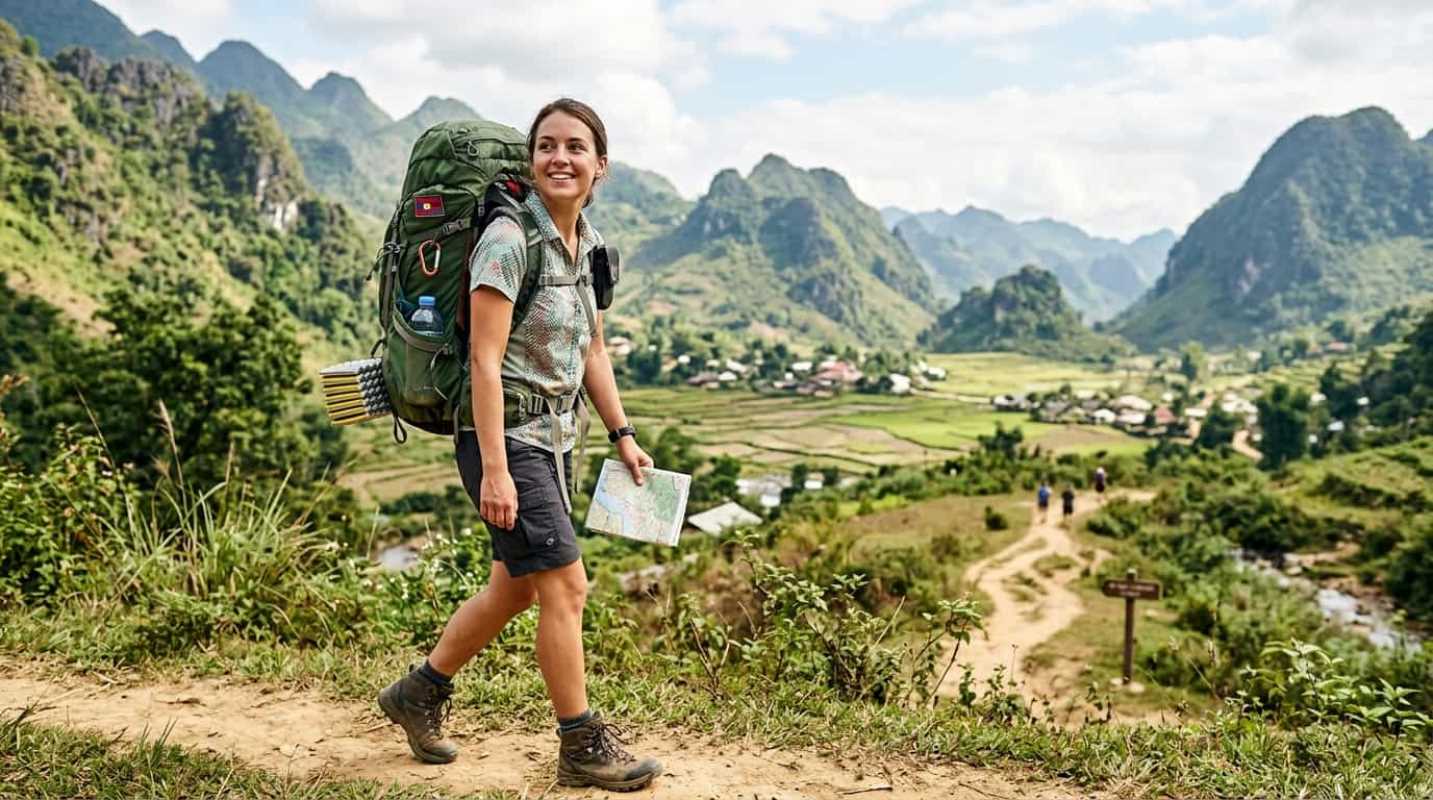
Do you think long-term travel is reserved for lottery winners and corporate executives? You aren't alone. Most people assume that taking off for months requires a massive bank account and endless savings. The truth is much simpler. Travelling on a budget comes down to a basic mindset shift. When you trade luxury resorts for authentic street food stalls and boutique hotels for lively hostel dorms, your money stretches remarkably far.
Budget backpacking isn't about suffering through awful conditions. It's about trading unnecessary luxuries for genuine, real-world experiences. By picking up a few smart habits, you can build a sustainable lifestyle on the road without breaking the bank.
Mastering Cost-Cutting Travel Approaches
How much does it actually cost to travel the world right now? In places like Southeast Asia, backpackers comfortably get by on $32 to $35 a day, while Eastern European destinations like Albania and Kosovo average around $40 daily.¹
To hit these budget targets, you need to rethink how you buy transit and feed yourself.
• Use search tools smartly: Search for flights on aggregator platforms, but clear your browser cache or browse in private mode to avoid price jumps. Booking your long-haul transit during off-peak days saves cash instantly.
• Embrace slow travel: Jumping to a new city every three days eats up your budget fast. Spending two weeks exploring a single region cuts transit expenses by nearly half while letting you connect deeper with local culture.
• Master local dining: Avoid restaurants located right next to major tourist monuments. In Latin America and Europe, look for set lunch menus, such as the local lunch special, which offers multi-course meals at half the dinner price. In Asia, street markets offer cheap, freshly cooked dishes for just a few dollars.
• Ditch foreign transaction fees: Always pay in the local currency when using your card at foreign ATMs or shop registers. Choosing your home currency triggers terrible exchange rates set by local merchant banks. Pair this practice with zero-foreign-fee travel cards to save 5% to 10% on every transaction.
Hostel and Budget Lodging Tips
Where you sleep eats up a huge chunk of your daily spending. Recent travel surveys show that 63% of budget-conscious travellers list price as their top accommodation criteria.²
Hostels have evolved into community travel hubs featuring co-working desks, organized social events, and communal kitchens.
• Search online, then book direct: Third-party booking sites charge hostel owners a 15% to 25% commission on every reservation.³ Use those sites to compare reviews and check location maps, but contact the property directly through their website or social media. Direct bookings frequently unlock 5% to 10% discounts or free breakfast.
• Pick the right dorm size: The sweet spot for balance between price and sleep quality is a 4-to-8 bed dorm room. Mega-dorms with 12 or more beds might save you two dollars, but you pay for it with noise, long bathroom wait times, and poor sleep.
• Evaluate hidden inclusions: A dorm bed that costs $20 with free breakfast and guest kitchen access is far cheaper overall than a $15 bed with zero amenities. Cooking one or two basic meals in a hostel kitchen easily saves $15 every day.
• Explore alternative stays: Look into work-exchanges, house-sitting platforms, or overnight sleeper transport. Taking an overnight train or sleeper bus covers your transportation while eliminating the cost of a hotel room for the night.
Balancing Planning Flexibility and Structure
Have you ever met a traveller who mapped out every single hour of a month-long trip? They are usually exhausted and stressed. Over-planning locks you into rigid schedules and forces you to pay non-refundable rates.
Try using the Anchor Point method instead. Book your flight and your first two nights of accommodation in a new country. Leave the rest of your calendar completely open.
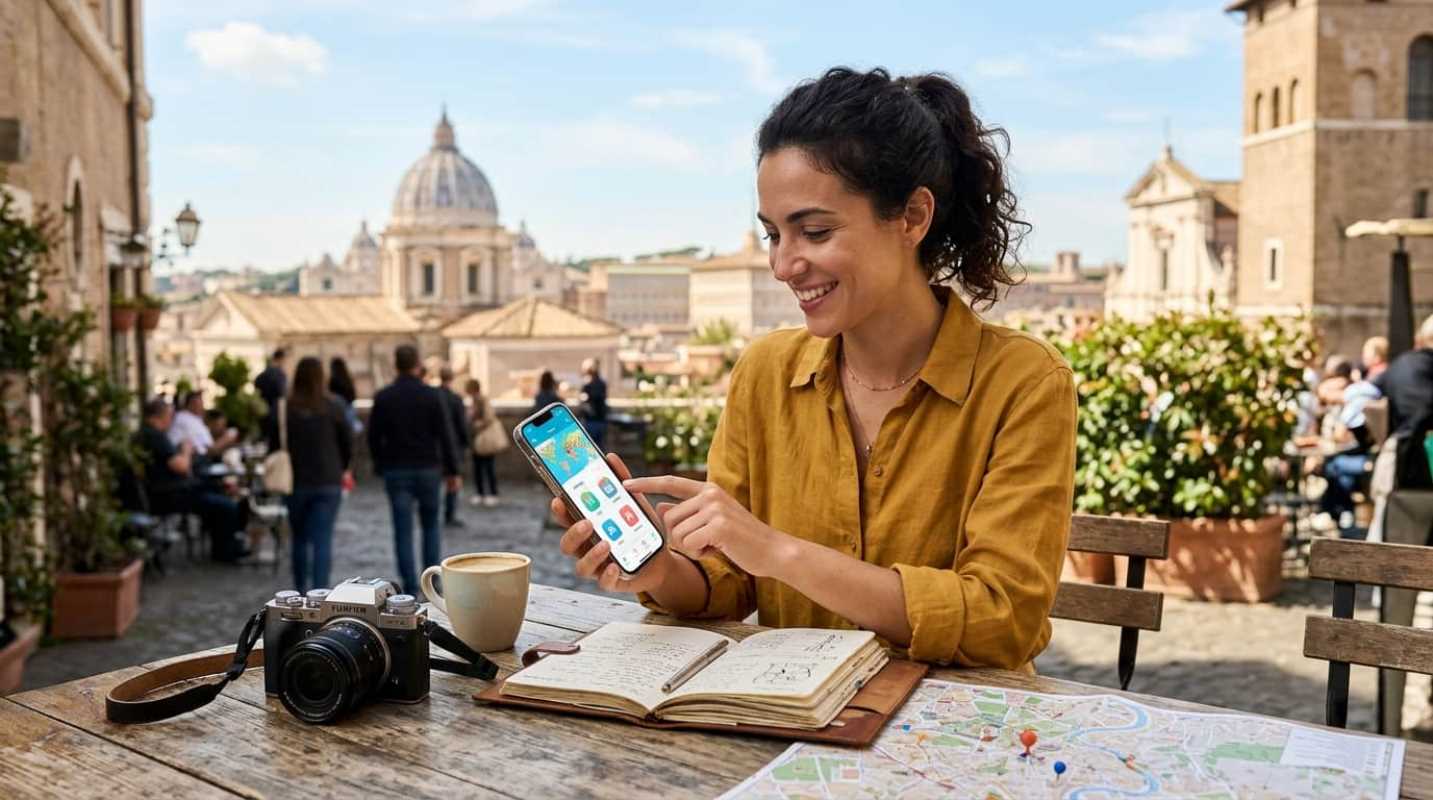
This flexibility saves real money. You can change your route based on tips from fellow backpackers, team up with hostel friends to split rental cars, or stay longer in low-cost towns you fall in love with. You can use mobile apps on the fly to catch last-minute transit deals or off-peak room discounts.
Needed Gear for the Budget Traveler
Packing for a long journey can feel like a large chore, but keeping your load light is your best financial protection.
Budget airlines charge steep fees for checked luggage. If you fit everything into a 40L to 45L carry-on backpack, you can save $30 to $70 on every single flight segment.
Investing in a few solid basics early on stops you from spending money on constant mid-trip replacements.
• A high-quality carry-on pack: Choose a durable backpack that fits standard airline overhead bins and offers proper hip support.
• eSIM mobile data: Skip expensive international roaming plans from your home carrier. Use regional eSIM apps like Airalo or Nomad to get affordable local data for just a few dollars a month.
• Safety needs: Pack a sturdy combination padlock for hostel lockers and a high-capacity power bank so you never get stranded with a dead phone battery.
Your Journey Starts Now
Independent travel has a learning curve. You might take the wrong bus or overpay for a street souvenir during your first week, and that's totally fine.
The key to budget travel is simple consistency. Track your daily spending on a phone app, learn from small mistakes, and focus on rich experiences instead of pricey material comforts.
The open road is far more accessible than you think. Pack your bag, set your budget, and step out the door. Your adventure is waiting.
Sources:
1. Backpacker Cost Index 2026
https://brokepackr.com/blog/backpacker-cost-index-2026
2. Deloitte Holiday Travel Survey
https://www.hoteldive.com/news/2025-deloitte-holiday-travel-survey/805882/
3. Direct Booking vs OTA
https://www.famoushostels.com/hostel-booking-direct-vs-ota/