You loaded the car, strapped in the kids, and pulled onto the highway with high hopes. Ten minutes later, someone is crying, someone else dropped a shoe under the passenger seat, and you are wondering why you ever left home. Have you been there? Long family travel days test everyone's patience.
The key to surviving them starts long before you pull out of the driveway. You need a mindset shift.
The Mindset Shift: Planning for Success
Instead of treating the road trip or flight as a grueling obstacle before your real vacation begins, try treating transit as day one of the getaway. Think of it like opening the first chapter of a good book. Slow down and let the day unfold without rushing.
Setting realistic expectations saves your sanity. If a drive normally takes six hours without kids, build in eight. Children process time and sensory input differently than adults. Forcing a tight schedule leads straight to frustration for everyone in the vehicle.
Planning together helps, too. Research shows that 92% of parents plan trips with their children, and 81% consult their kids on trip choices.¹ Giving your children a say in a roadside stop or choosing a fun stop along the route gives them direct ownership over the adventure.
Pacing is everything on long journeys. The American Academy of Pediatrics recommends pulling over every two hours on road trips so little ones can stretch, move around, and reset physically.³
Try adopting the 50/50 rule for your daily itinerary. Schedule one main structured activity for the day, then leave the remaining hours open for quiet rest, pool time, or unstructured play. This pacing prevents sensory overload and keeps burnout at bay.²
Strategic Packing: Beyond Just Snacks
Packing for a long journey involves far more than dumping boxes of crackers into a canvas bag. You need an organized approach for continuous engagement.
Create a dedicated boredom-buster bag for each child. Keep this bag hidden until you are officially on the road or in the air so the contents feel brand new.
Here are a few high-engagement, low-mess ideas to pack:
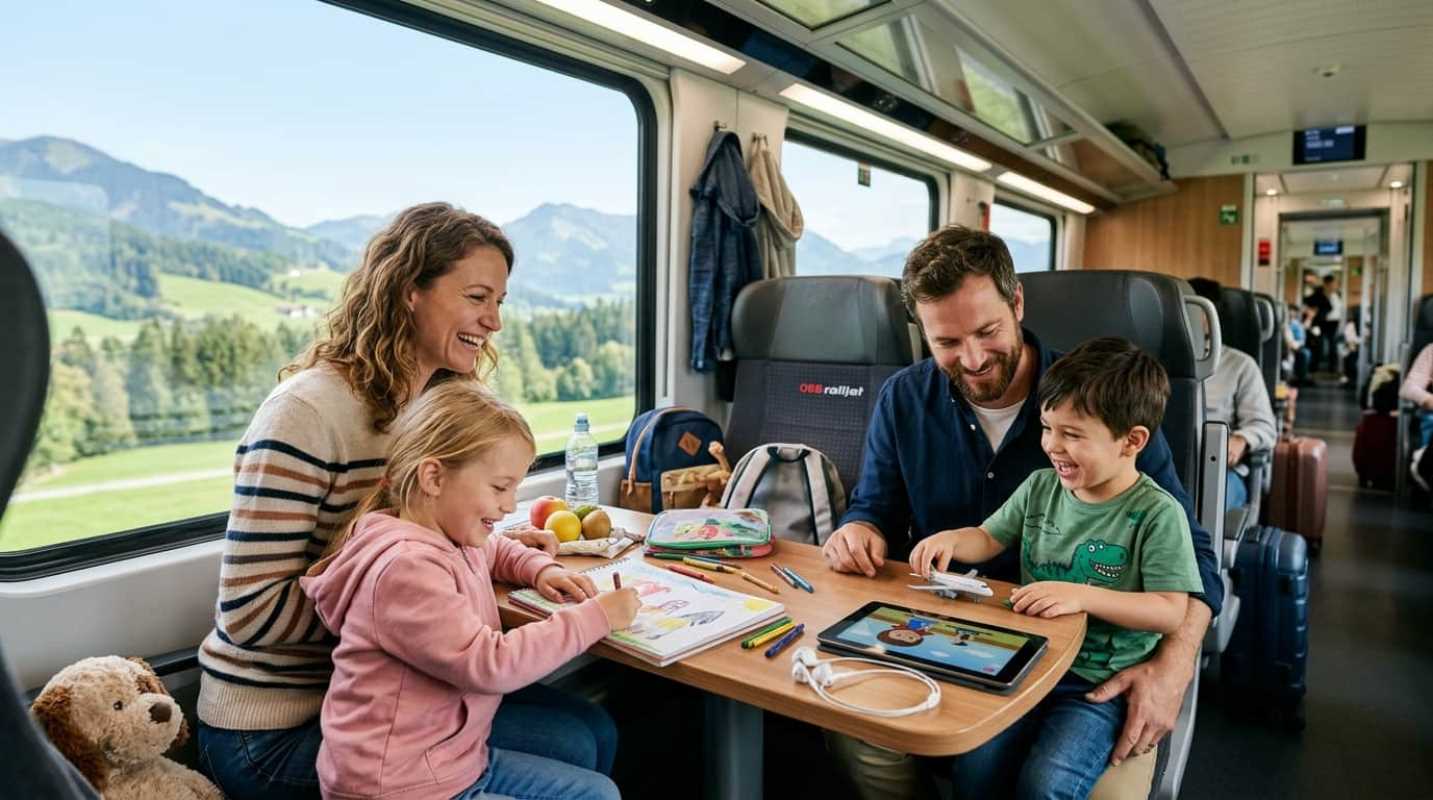
• Water-reveal activity books: Kids can paint with water brushes without leaving marker stains on car seats.
• Reusable sticker sheets: Window clings and static stickers work wonders on airplane windows and car side glass.
• Magnetic travel games: Compact magnetic boards keep game pieces from falling into seat cracks.
• Screen-free audio players: Pre-loaded audiobooks and podcasts keep young minds entertained without eye strain.
Hold off on screen time during the early leg of the trip. Tablets are a valid parenting resource on long travel days, but introducing them immediately burns through your best option too early. Save screens for the final stretch when patience runs thin.
Try the gift wrap trick. Buy a handful of small novelties or activity pads, wrap them individually, and let your child open one every hour or when you cross a state line. The sheer anticipation keeps morale high for long stretches.
Snack time can double as an interactive activity. Pack boxes or bento trays with different finger foods like pretzels, raisins, and cheese cubes. Sorting snacks occupies tiny fingers far longer than hand-outs from a plain bag.
Do not forget needed comfort anchors. A familiar blanket, a favorite plush animal, or a cozy pillow gives children a comforting piece of home when travel environments feel strange or loud.
The Art of Managing Meltdowns and Downtime
Even with thorough preparation, meltdowns happen. It helps to remember that a travel outburst is rarely bad behavior. It is usually an overwhelmed nervous system asking for a break.
When tension rises, run through a quick HALT check. Is your child Hungry, Angry, Lonely, or Tired? Resolving one of these physiological needs settles the majority of travel outbursts on the spot.
Keep an easily accessible calm-down bag near your seat containing:
• Noise-canceling headphones: These muffle a lot of terminal noise and engine hums.
• Tactile fidget toys: Pop-its, squishy items, and stretch cords occupy nervous energy.
• Sour candy: An intense sour flavor provides a safe sensory shock that grounds a dysregulated nervous system fast.
• Comfort items: Weighted lap pads or familiar loveys provide soothing sensory input.
Build in reset stops before a complete breakdown occurs. A quick ten-minute break at a grassy rest stop where kids can run at full speed will save you hours of complaining down the road.
Give clear warnings before transitions. Giving a five-minute heads-up before leaving a play area or turning off an activity gives a child's brain time to adapt, preventing sudden tears.
Logistical Hacks for Parents
Smart logistics make all the difference on long travel days. Aligning your departure times with your child's natural sleep cycles is one of the smartest moves you can make.
If you are taking a long drive, consider departing early in the morning while kids can sleep through the first few hours in their car seats.
A few practical logistical setup tips include:
• Backseat organization: Use hanging seatback organizers so kids can reach their own water bottles and books.
• Emergency supply caddy: Keep wipes, extra clothes, trash bags, and motion sickness supplies right at your feet.
• Transit prep: Ship heavy luggage ahead when flying, or arrive extra early to eliminate rushed terminal sprints.
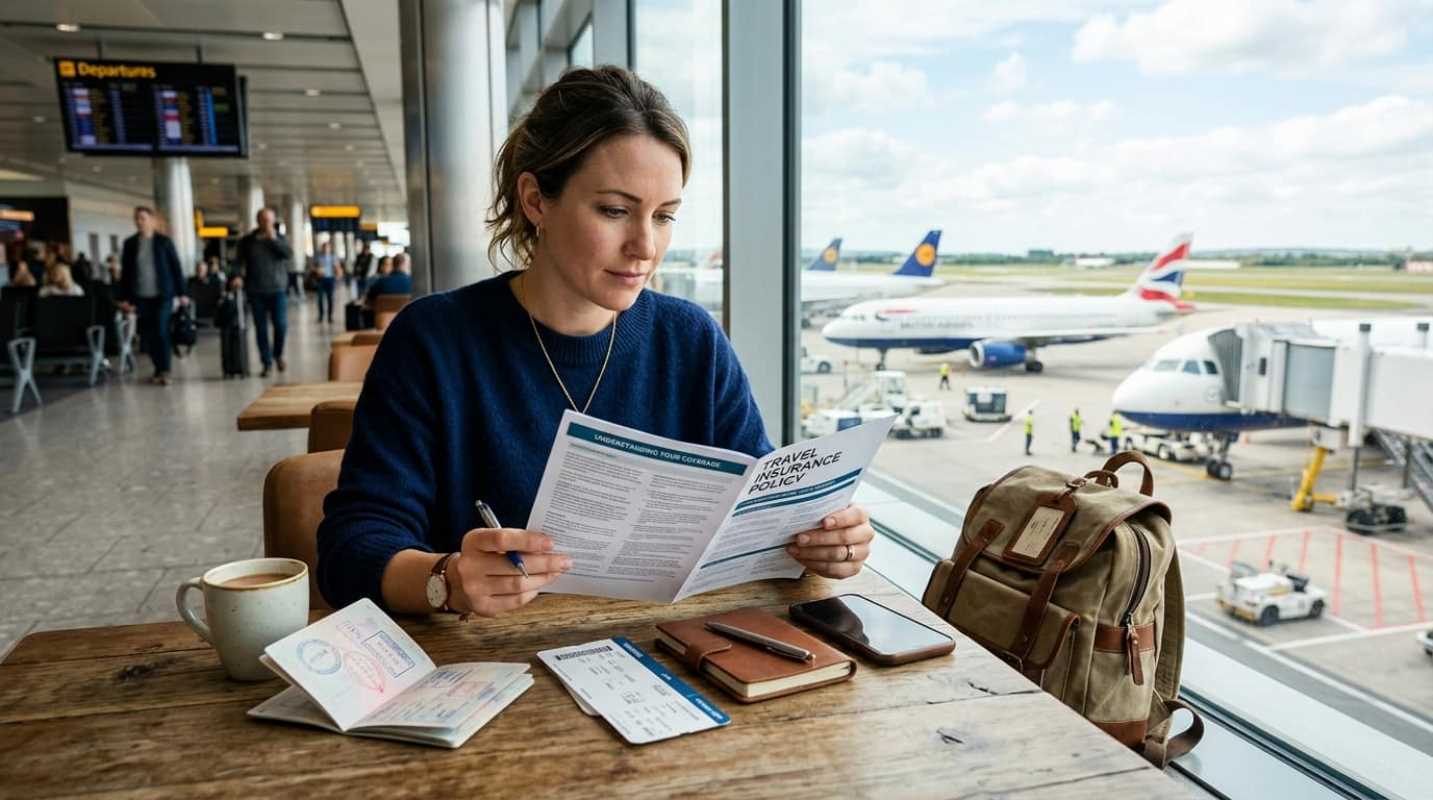
When navigating airports, let young kids walk through terminal halls as much as possible before boarding. The more physical energy they burn on airport carpets, the calmer they will sit once strapped into their airplane seats.
Embracing Flexibility: The Secret Ingredient
No matter how meticulously you plan, something on a long trip will change. A flight gets delayed, a tire loses pressure, or a planned roadside diner turns out to be closed.
Your willingness to pivot is your best asset. Children take emotional cues directly from parents, so staying calm keeps the overall mood light even when plans shift in unexpected ways.
Turn minor travel hiccups into simple side adventures. If highway traffic grinds to a halt, launch a fun family trivia game or turn on an entertaining audio story.
Focus on connection rather than following a rigid itinerary. Sometimes an unexpected stop at a quirky roadside park becomes the fondest memory of the entire trip.
When you finally reach your destination, take a moment to celebrate the journey together. Laugh about the bumpy moments and give everyone credit for making it through. You survived the long trip, built shared memories, and arrived ready for fun.
Sources:
1. Family Travel Trends
https://www.duckabroad.com/travel-blog/family-travel-trends-2026
2. How to Pace Your Trips With Kids
https://noplacelikeanywhere.com/how-can-i-help/planning/how-to-pace-your-trips-with-kids-to-avoid-fatigue-and-burnout/
3. HealthyChildren.org Travel Safety Tips
https://www.healthychildren.org/English/safety-prevention/on-the-go/Pages/Travel-Safety-Tips.aspx
*This article on legitlevel is for informational and educational purposes only. Readers are encouraged to consult qualified professionals and verify details with official sources before making decisions. This content does not constitute professional advice.*