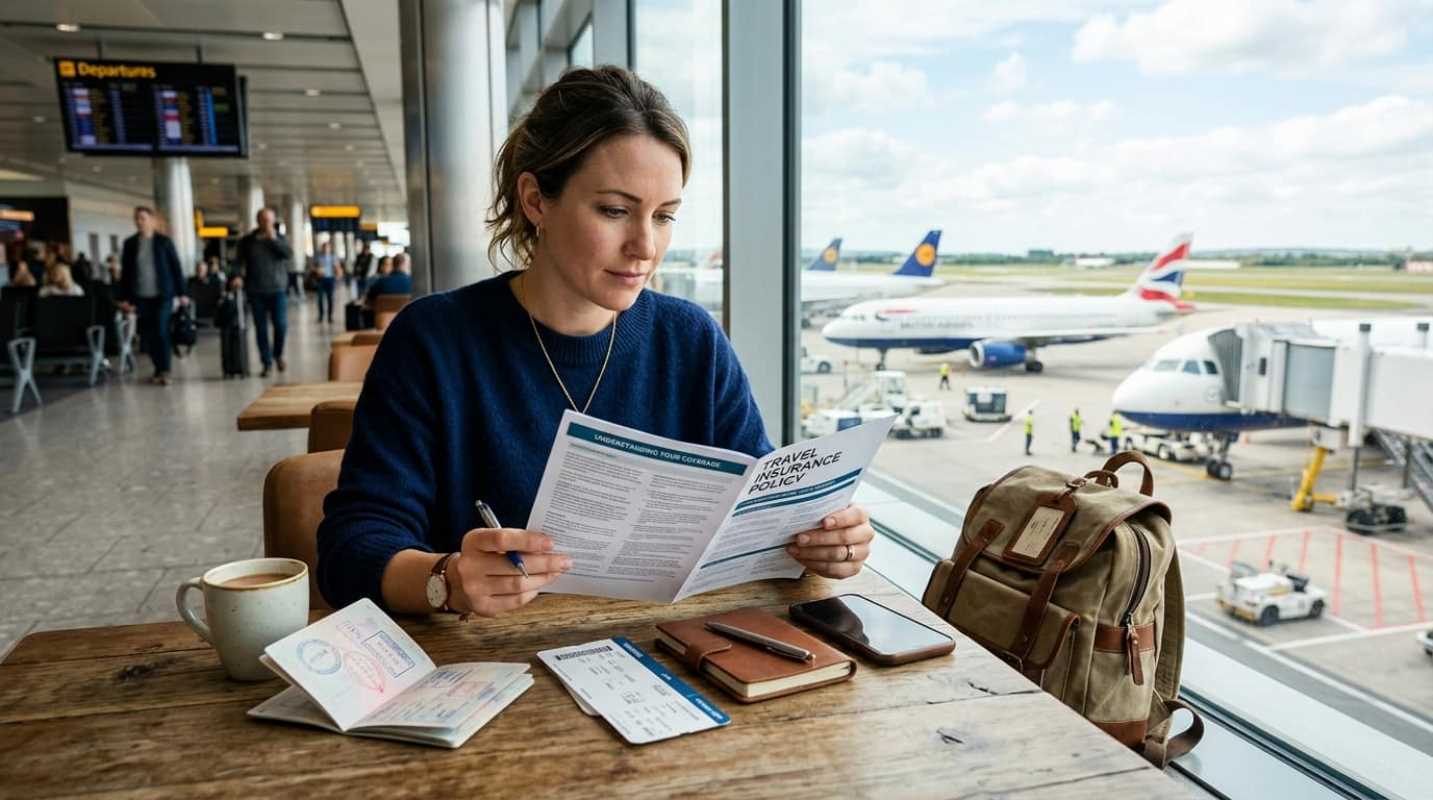
Have you ever sat on your living room floor two weeks before an international flight, staring at an expired passport in horror? It is a stomach-dropping feeling that millions of travelers experience every year. Getting your travel paperwork in order does not need to feel like an extreme sport.
With a few smart habits and an early start, you can easily handle entry rules and avoid airport panic. Here is how to handle visas and passport requirements smoothly so you can focus on packing your bags.
The Golden Rule: Start Early and Audit Your Documents
The easiest way to keep your sanity is to audit your travel documents the moment you start dreaming about a trip. Waiting until the last minute is a recipe for high anxiety and unnecessary rush fees.
Although passport processing times have improved down to 4 to 6 weeks for standard processing and 2 to 3 weeks for expedited service, unexpected delays can still happen.¹ Giving yourself a wide runway is always the safest play.
You also need to watch out for the 6-month validity rule. Over 70 countries will not let you cross their border if your passport expires within six months of your departure date. Even if your trip lasts only five days, a passport with four months of validity left can get you turned away at the airline check-in desk.
Do you have children? Their passports expire every five years instead of ten. That subtle difference catches families off guard all the time. A quick audit nine months before your target departure date gives you plenty of room to renew without paying hefty expediting charges.
Decoding Country-Specific Requirement Differences
Planning a quick getaway to Thailand feels entirely different from booking a multi-stop tour across Europe. Every nation sets its own entry standards, and assuming that rules are uniform across borders is a quick way to derail your trip.
Like, short vacations to certain Asian destinations might only require a basic arrival form, whereas traveling to Europe involves navigating new digital authorizations. The UK requires visa-exempt travelers to apply for an Electronic Travel Authorisation (ETA) before flying, which costs £10 and lasts for two years.² Meanwhile, European nations are rolling out updated biometric digital border checks for non-EU visitors.
When you look up entry rules online, watch out for sneaky third-party copycat websites. These sites mirror official government portals and charge huge markup fees for simple entry forms. Always make sure you are applying through official government portals ending in .gov or .europa.eu to keep your personal data and money safe.
Do not forget to review transit visa rules for layovers. If your flight stops in a foreign airport where you must collect baggage or switch terminals, you might need a transit visa just to pass through, even if you never intend to step outside the airport.
Avoiding Common Documentation Mistakes That Get You Denied
You might think a tiny typo on an official form will not matter, but immigration authorities are notoriously strict. Rejections happen far more often than most people realize. Applicants around the world lost over €316 million in non-refundable application fees in a single year due to rejected Schengen visa applications alone.³
Most of those rejections come down to basic administrative oversights. You can avoid getting turned down by watching out for these frequent mistakes.
• Name and detail discrepancies - Your flight tickets, passport, and visa forms must match letter-for-letter. Missing middle names or swapped numbers in your passport ID field trigger automatic red flags.
• Non-compliant photos - Uploading a casual selfie with shadows, background clutter, or improper dimensions will cause your application to be rejected. Use a dedicated passport photo service that guarantees biometric compliance.
• Inconsistent financial records - Consulates want to see steady financial health. Moving a sudden lump sum of cash into your account right before applying looks suspicious. Keep clean bank records over three to six months that prove you can support your stay.
• Incomplete onward travel plans - Border agencies want proof that you plan to leave. Failing to show confirmed return flights, hotel reservations, or mandatory travel health insurance will quickly lead to a denial.
Using Smart Technology and Expert Tools for Peace of Mind
Staying organized does not require carrying a bulky binder full of printed paperwork everywhere you go. Modern digital tools can organize your documents safely while keeping you updated on changing entry conditions.
Sign up for official travel alerts from your home government, such as the Smart Traveler Enrollment Program (STEP). These services send safety notifications directly to your phone and make it easier for consulates to contact you during emergencies.
When should you hire a professional visa service? If you are managing a complex multi-country itinerary on short notice or feel completely overwhelmed by paperwork, a professional agency can be worth the extra fee. But if you have plenty of time, applying directly through official portals is usually simple and much cheaper.
Creating a secure travel vault is another simple way to protect yourself. Save digital PDF copies of your passport data page, visa approvals, travel insurance policies, and flight details into encrypted cloud storage that you can access offline. Print two physical copies as well. Store one set in your luggage separately from your original documents and leave the second set with a family member back home.
Pre-Departure Checklist Example
When you are 30 days away from your trip, run through a final verification process to make sure everything is in order:
1. Re-read every entry document to confirm dates, passport numbers, and full names match your flight details.
2. Check that your physical passport has at least two completely blank pages for entry stamps.
3. Confirm your travel medical insurance explicitly covers your destination and travel dates.
4. Verify that digital travel authorizations are approved and linked electronically to your current passport number.
What happens if you discover a mistake right before leaving? Do not panic. Many countries offer emergency rush services at regional passport hubs or allow travelers to update digital authorization details online for a small fee. Catching an error while you are still at home is far easier than trying to fix it at the boarding gate.
International travel should be exciting, not stressful. By auditing your documents early, using official government resources, and keeping backup copies ready, you can head to the airport knowing your paperwork is completely secure.
Sources:
1. state.gov
https://2021-2025.state.gov/reducing-u-s-passport-processing-times/
2. www.gov.uk
https://www.gov.uk/government/news/uk-to-expand-digital-travel-to-more-visitors
3. hellosafe.com
https://hellosafe.com/schengen-visa/rejection
*This article on legitlevel is for informational and educational purposes only. Readers are encouraged to consult qualified professionals and verify details with official sources before making decisions. This content does not constitute professional advice.*