Yoga has a reputation problem in the strength world. Many people file it under stretching and relaxation, something you do on rest days while the real muscle-building happens elsewhere. Anyone who has trembled through a long chair pose, pressed up from a low plank for the tenth time, or attempted an arm balance knows better. Practiced with intention, yoga is legitimate strength training: it loads your muscles with your own body weight, demands control through long ranges of motion, and builds the kind of stable, usable strength that carries over into everything else you do. Here is how to make your mat time genuinely strong.
What Strength Actually Requires, and How Yoga Delivers It
Muscles grow stronger when they work against meaningful resistance, experience tension for sustained time, and are challenged progressively. Barbells provide this through added weight. Yoga provides it through leverage, long isometric holds, and slow transitions that remove momentum. Holding warrior two for a minute keeps your thighs under continuous tension. Lowering slowly from plank to the floor is a controlled eccentric, the portion of a movement that research on muscle development consistently emphasizes.
Where yoga differs from the gym is in the type of strength it builds. Rather than isolating one muscle at a time, poses demand that entire chains work together while you balance and breathe. That integration, strength you can actually coordinate, is precisely what many gym-trained people are missing, and it is why dedicated practitioners often surprise themselves with how capable they feel in daily life.
Long isometric holds also train your nervous system to stay calm under load, a quality that transfers directly into sports, lifting, and even stressful days. Breathing steadily while your legs burn through a minute-long warrior hold is the same composure skill as staying relaxed during any hard physical effort, and yoga drills that skill on every single visit to the mat.
The Poses That Pull the Most Weight
Not all poses are equally demanding. If strength is your goal, build your practice around the heavy hitters. For the lower body, chair pose, warrior one, warrior two, crescent lunge, and goddess pose keep the thighs and glutes under long tension. Bridge pose and its single-leg variation strengthen the hips and hamstrings directly.
For the upper body and core, plank, side plank, low push-up (chaturanga), dolphin pose, and downward dog push the shoulders, chest, and arms. Boat pose and locust pose train the front and back of your trunk respectively. Arm balances like crow pose act as skill-strength hybrids, demanding and simultaneously building wrist, arm, and core strength. A practice woven from these poses is far closer to a workout than a wind-down.
Progressive Overload Without Weights
The engine of all strength training is progressive overload: doing slightly more over time. On the mat, you have several dials to turn. The first is time under tension, holding a pose for forty-five seconds instead of twenty. The second is range, sinking deeper into chair or lunging longer. The third is leverage, moving from knees-down to full plank, from supported to free-standing balance, from both legs to one.
The fourth dial is tempo. Lowering through chaturanga over five slow counts, or rising from a lunge so gradually that momentum cannot help, multiplies the demand of familiar shapes. Finally, density matters: repeating a challenging sequence three times with brief rests mirrors the sets-and-reps logic of the gym. Track your holds and depths the way a lifter tracks weights, and progress becomes visible week by week.
Building a Strength-Focused Flow
A strength-oriented session looks a little different from a typical flowing class. Begin with a few minutes of gentle movement, cat-cow, easy sun salutations, to warm the joints. Then organize the middle of your practice like training blocks:
- A standing block: chair, warrior variations, and lunges held for thirty to sixty seconds each, repeated two or three rounds
- A pushing block: slow push-up lowers, plank holds, and dolphin pose
- A core block: boat pose, side planks, and slow leg lowers
- A posterior block: bridge variations and locust holds for the back of the body
Finish with the stretching and breathing that yoga does so well, because recovery is part of training too. Two or three such sessions per week, with easier mobility-focused practice between them, is a complete and sustainable structure.
Keep transitions deliberate rather than rushed. Stepping slowly from pose to pose under full control is itself strength work, while hopping through sequences lets momentum steal the benefit. If a block leaves your muscles trembling, that is the signature of productive effort; if it leaves no impression at all, add holding time or another round the next time through.
What Yoga Strength Will Not Give You
Honesty makes the case for yoga stronger, not weaker. Body weight has limits: once you can hold every pose easily, the lower body in particular stops receiving enough challenge to keep building maximal strength, because your legs are capable of handling far more than your body weight. Lifters who want to move heavy loads will still need external resistance eventually.
Pulling strength is the other gap. Yoga contains pressing in abundance but almost no rowing or pulling, the movements that balance the shoulders and build the upper back. Pairing your practice with a couple of weekly sets of rows or assisted pull-ups, or simply some resistance band pulls, fills that hole neatly. Think of yoga as a superb strength foundation and complement rather than the entire building.
Steady-state endurance is a partial gap as well. Vigorous flowing styles do elevate the heart rate meaningfully, but a complete fitness picture still benefits from some walking, cycling, swimming, or jogging alongside your practice. A week containing both mat-based strength work and a couple of dedicated aerobic sessions covers nearly everything a healthy body needs.
Getting Started Safely
If you are new, begin with beginner-level classes or videos and give yourself permission to modify everything. Knees-down planks, shorter holds, and blocks under your hands are not cheating; they are the correct rung of the ladder for today. Sharp pain, especially in wrists, shoulders, or knees, is a signal to adjust position or rest, not to push through, and persistent discomfort deserves a conversation with a qualified health professional.
Wrists take time to adapt to weight-bearing, so build floor work gradually and spread your fingers wide to share the load. Expect to feel genuinely sore after your first strength-focused practices; that is your evidence that yoga, done this way, is training. Soreness fades as you adapt, and consistency, two to four practices a week, matters far more than any single heroic session.
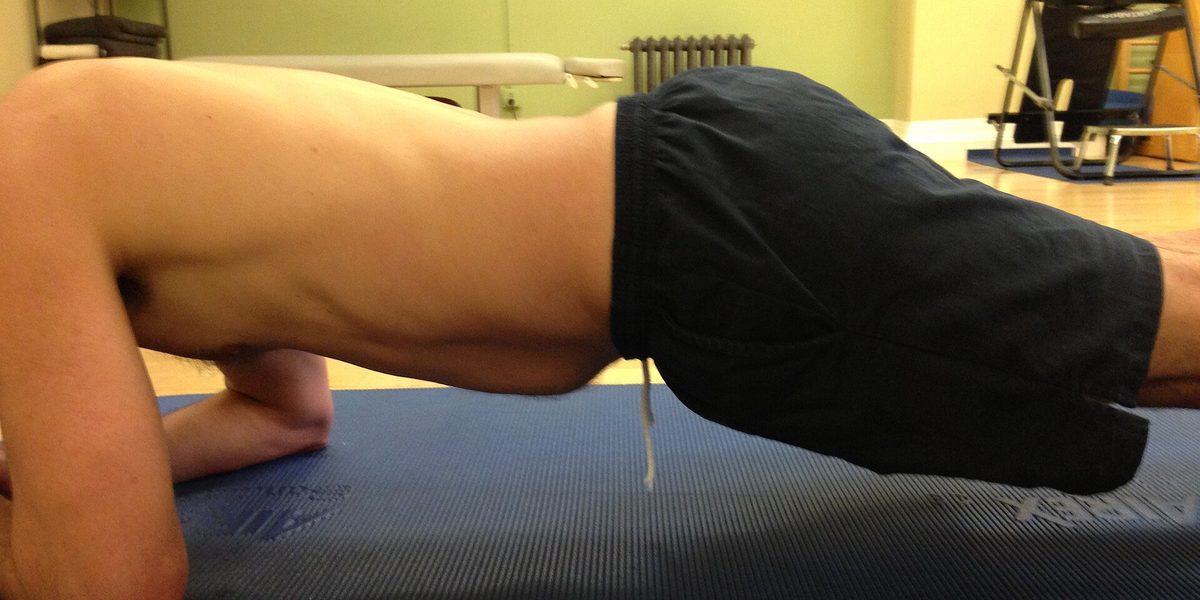
Check your alignment honestly, because feeling and reality often disagree. Practicing near a mirror occasionally, or recording a short video of yourself, reveals the small corrections that matter: hips square in warrior poses, shoulders stacked over wrists in plank, elbows tracked close to the ribs in low push-ups. Each small fix makes familiar poses dramatically more effective and dramatically safer at the same time.
Final Thoughts
Yoga does not need to be rebranded to count as strength training; it only needs to be practiced with that intention. Choose demanding poses, hold them longer, slow your transitions, progress your leverage, and repeat your sequences like sets. Supplement the few gaps with some pulling work, and you have a complete, joint-friendly strength program that requires nothing but a mat and patience. Strong and flexible were never opposites, and on the mat, you get to build both at once, one deliberate breath and one trembling hold at a time.