Everyone knows the arc. A surge of inspiration launches a new exercise routine, the first two weeks feel unstoppable, and then one busy Thursday the workout slips, the next week two slip, and within a month the routine is a memory. The usual conclusion is that motivation failed. The more accurate conclusion is that motivation was never the right tool for the job. Motivation is an emotion, and emotions fluctuate with sleep, stress, and weather. People who exercise for decades are not endlessly motivated; they have built systems that carry them through the days when motivation is nowhere to be found.
Why Motivation Fails and Systems Win
Relying on motivation means re-deciding to exercise every single day, and every decision is a chance to decline. Systems remove the decision. When the workout has a fixed time, a prepared place, a default plan, and a social commitment attached, skipping requires effort while showing up happens almost automatically. The goal of a motivation system, paradoxically, is to need motivation as rarely as possible.
This reframe is also kinder. If consistency depends on character, every missed session is a personal failing. If it depends on design, a missed session is just a bug to fix, and bugs are fixable. The sections that follow are the main components of the machine; you do not need all of them, just enough to keep the wheel turning on your worst weeks.
Anchor Exercise to Your Existing Life
The strongest habits are attached to habits you already have. Rather than planning to work out sometime today, bind the session to a fixed anchor: straight after the morning coffee, immediately on arriving home before sitting down, or during the lunch hour every Monday, Wednesday, and Friday. The anchor supplies the reminder and the slot, so the habit never floats loose in the day waiting to be displaced.
Timing honesty matters more than optimization. The best workout time is not the one an article recommends; it is the one your life genuinely leaves undefended. Night owls forcing dawn sessions and parents scheduling evening gym trips during the dinner rush are designing their own failure. Audit a normal week, find the slot that is truly yours, and build the anchor there.
Engineer Friction in Your Favor
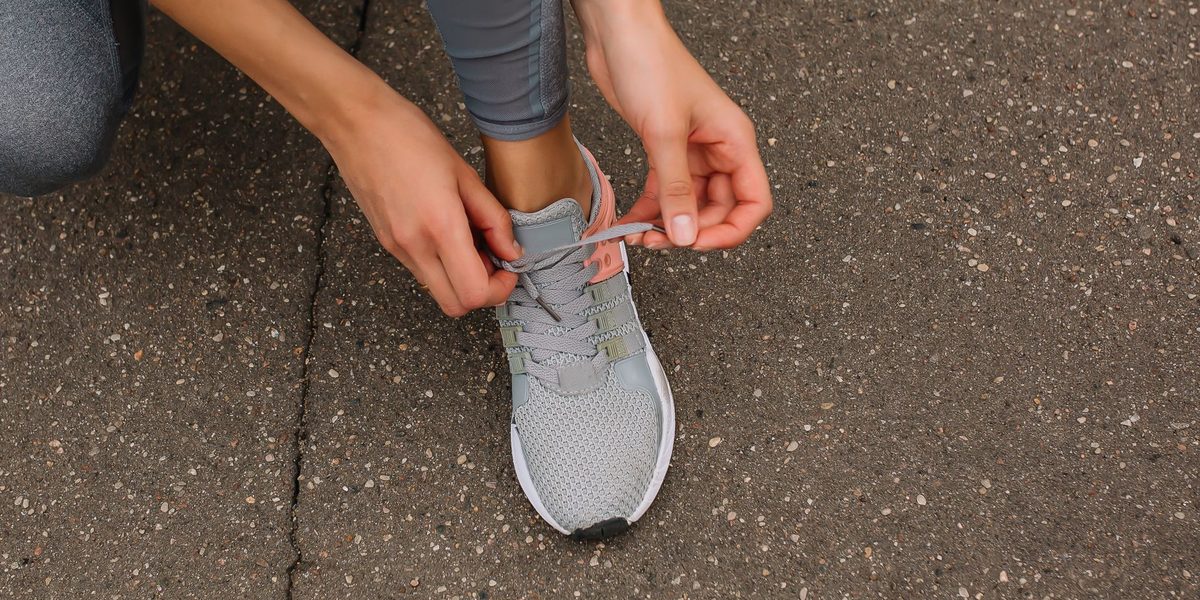
Behavior flows downhill toward whatever is easiest, so tilt the hill. Reduce the friction of exercising: lay out clothes the night before, keep the gym bag packed by the door, park the home equipment in plain sight, choose a gym on your commute rather than a nicer one across town. Each removed step eliminates an exit ramp.
Then add friction to skipping, or at least remove its comforts. Tell your household the schedule so staying on the couch requires explanation. Put sessions in your calendar as appointments that must be actively cancelled. Some people pre-commit money, booking paid classes where absence costs something. The pettier these tricks feel, the better they tend to work, because they target the two-minute window of wavering where most workouts are actually lost.
Identity is the quiet engine behind all of this. Every completed session is a vote for being a person who exercises, and the votes compound: after a few months the question shifts from whether you will train this week to merely when. Design the early weeks so that voting is easy, and the identity eventually does work that no calendar trick can match.
Use Accountability and Company
Few forces rival another human expecting you. A training partner waiting at the park converts a workout from an option into an appointment, and canceling on a friend stings in a way canceling on yourself never does. If schedules make partners impractical, classes with familiar faces, clubs, online communities, or even a weekly check-in text with a friend provide lighter versions of the same pull.
Company also upgrades the experience itself. Shared effort breeds conversation, mild friendly competition, and the sense that exercise is a social event rather than a chore. Many lifelong exercisers, if pressed, will admit they keep showing up as much for the people as for the fitness, and there is no reason not to exploit that honestly.
If competition motivates you, use it in small doses: a step challenge with a colleague or a friendly monthly benchmark keeps things lively, while obsessive leaderboard-chasing burns most people out. Let rivalry be the seasoning, not the meal.
Track Streaks, but Build in Grace
Visible progress is fuel. A wall calendar with a cross for every completed session, a simple notes-app log, or a habit tracker turns your consistency into a streak you can see, and streaks recruit a surprisingly powerful instinct: not wanting to break the chain. Record the behavior, not the outcome; the win is that you showed up.
Streaks have a dark side, though. A rigid streak shatters at the first sick day, and shattered streaks demoralize. So write grace into the rules from the start. Adopt the never-miss-twice principle, where one miss is noise and only two in a row is a trend worth correcting. Count a minimum version, even a ten-minute walk, as a full link in the chain. The point of tracking is momentum, not perfectionism, and rules with built-in forgiveness survive real life.
It also pays to define what counts as a win generously. A full session is a win, but so is the ten-minute version, the walk taken in the rain, and the workout done badly but done. Perfectionist definitions produce fragile streaks; generous definitions produce long ones, and length is what changes bodies.
Make the Exercise Itself Rewarding
No system can indefinitely prop up an activity you hate, so engineer enjoyment directly. Choose forms of movement you actually like, or at least dislike least, and let that preference outrank theoretical effectiveness. Use temptation bundling: reserve a favorite playlist, podcast, or show exclusively for workouts, so the session becomes the only gateway to something you crave. Train in pleasant places when you can; a route you love is a standing invitation.
Close each session by noticing the payoff. Thirty seconds of registering the post-workout mood, the looser shoulders, the discharged stress, helps your brain file exercise under rewarding rather than costly. Small milestone rewards, new workout gear after a consistent month, a massage after a strong training block, add external sweeteners while the internal ones develop.
Plan for the Inevitable Dips
Illness, travel, deadlines, and flat gray weeks will interrupt any routine; the system's job is to make interruptions short. Decide your comeback rules in advance: after a break, restart at half volume and rebuild gradually, with zero self-criticism, because the routine that resumes gently resumes at all. Keep a bad-day workout on the shelf, a ten-minute default so easy it is harder to refuse than to do. Momentum cares about frequency, not magnitude.
And every few months, review the machine. If sessions keep failing at the same point, the schedule, the location, or the format is misdesigned; move the part instead of blaming the operator. Boredom is also real, so rotate activities seasonally before staleness curdles into quitting.
Final Thoughts
Consistency is not a personality trait; it is an engineering project. Anchor workouts to fixed points in your day, tilt friction in your favor, borrow accountability from other people, track streaks with forgiveness built in, and make the movement itself something you look forward to. Build enough of these supports and motivation becomes what it should have been all along, a pleasant bonus rather than a load-bearing wall. The system shows up so you do not have to feel like it, and months later the results speak with a voice far steadier than enthusiasm ever was.