Ask a physical therapist, a coach, and a lifelong athlete to name one exercise they would recommend to almost anyone, and swimming comes up again and again. It works nearly every major muscle group, builds impressive cardiovascular endurance, and does all of it while the water supports your joints. You can swim gently enough to recover from a hard week or push hard enough to leave your heart pounding. If you have been curious about lap swimming but unsure where to start, this guide covers the benefits, the strokes, and how to structure your first months in the pool.
What Makes Swimming a True Full-Body Workout
On land, most exercises emphasize either the upper or lower body. In the water, everything works at once. Your arms and back pull you forward, your core stabilizes your body position, and your legs drive a steady kick. Even your breathing muscles get trained, because exhaling against water and timing your breath to your stroke demands far more from them than ordinary exercise does.
The water itself is also a resistance machine. It pushes back against every movement in every direction, so each stroke doubles as light strength work. At the same time, buoyancy removes most of the impact that running and jumping place on knees, hips, and ankles. That combination, meaningful resistance with minimal impact, is why swimming suits people carrying extra weight, people managing joint sensitivity, and athletes looking to train hard without adding wear and tear.
The energy demand is considerable too, because water conducts heat away from the body and resists every motion, so your system works hard even at modest speeds. Swimming also stretches you out: the long, reaching positions of freestyle and backstroke counteract the shortened, hunched postures of desk life, which is part of why many swimmers leave the pool standing noticeably taller than they walked in.
The Four Strokes and Where to Begin
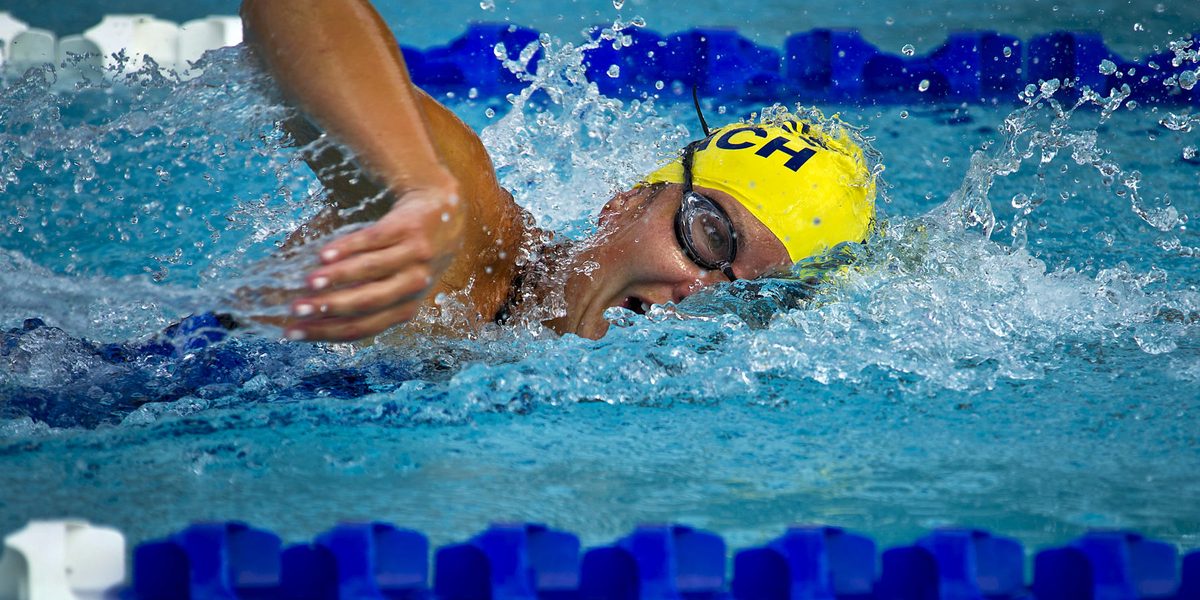
Freestyle, also called front crawl, is the fastest and most efficient stroke, and it is where most fitness swimmers spend the bulk of their time. Backstroke keeps your face out of the water, making breathing simple, and it strengthens the muscles along the back of your body that modern sitting weakens. Breaststroke is slower and easier to sustain, which makes it a friendly option for beginners and for recovery lengths between harder efforts. Butterfly is powerful and demanding; admire it, attempt it later.
If you are starting from scratch, begin with breaststroke or backstroke to build comfort, then invest time in freestyle technique. A single lesson or two with an instructor pays off for years, because efficient freestyle depends on a relaxed exhale underwater and a rhythmic breath to the side, skills that are much easier to learn correctly than to fix later.
Breathing: The Skill That Unlocks Everything
Most new swimmers struggle not with their arms or legs but with air. The instinct is to hold your breath underwater and then try to both exhale and inhale in the brief moment your face turns out. That never works for long. The fix is simple to describe and transformative to practice: exhale slowly and continuously through your nose or mouth while your face is in the water, so that when you turn to breathe, all you need to do is inhale.
Practice this standing in the shallow end. Take a breath, submerge your face, hum your air out in a steady stream of bubbles, and lift to inhale. Repeat until it feels boring. This one drill converts swimming from a panicky scramble into something rhythmic and almost meditative, and it is the foundation every good freestyle session is built on.
A Beginner Plan for Your First Month
Forget nonstop laps for now. Interval-style swimming, with short efforts and real rests, builds fitness faster and keeps technique from falling apart. Two or three pool visits per week is plenty. A sample beginner session looks like this:
- Warm up with four easy lengths, mixing strokes, resting as needed
- Swim one length at a comfortable effort, rest for fifteen to thirty seconds, and repeat eight to ten times
- Practice two to four lengths of your breathing drill or kicking with a kickboard
- Cool down with two relaxed lengths of backstroke or breaststroke
Each week, either add a repeat or two, shorten the rests slightly, or swim two lengths per effort instead of one. Within a month, most beginners are covering several times the distance of their first session, and doing it more smoothly.
Resist the urge to race every length. Technique falls apart when you sprint tired, and practicing sloppy strokes only makes them permanent. A good rule is that most of your swimming should feel smooth and repeatable, with just a small portion of each session pushed to a genuinely hard effort. Fitness grows quickly in the water, but it grows from clean repetitions, not frantic ones.
Gear and Pool Etiquette Made Simple
Swimming needs remarkably little: a snug suit made for lap swimming, goggles that seal comfortably around your eyes, and a cap if you have longer hair. A kickboard and a pull buoy, which most pools provide on deck, are useful extras for drills. Anti-fog goggles and a small mesh bag round out the kit nicely.
Lane etiquette intimidates newcomers more than it should. Choose a lane matching your pace, often labeled slow, medium, or fast. If the lane is shared by two people, you can each keep to one side; with three or more, everyone circles counterclockwise, staying to the right. If you need to pass or rest, pause at the wall and let faster swimmers turn ahead of you. A friendly nod and a bit of awareness cover nearly every situation.
A few comfort habits keep the hobby sustainable: rinse off before entering the pool, shower promptly afterward, and moisturize if chlorinated water leaves your skin feeling tight. A quick rinse or a leave-in conditioner protects hair from chlorine, and well-fitted goggles spare your eyes entirely. Small rituals, repeated, remove every lingering excuse between you and the water.
Making Swimming Part of a Balanced Routine
Swimming delivers superb endurance, muscular conditioning, and mobility, but because the water supports your body weight, it does not load your bones the way land exercise does. Bones stay strong through impact and resistance, so the ideal week pairs swimming with some walking, strength training, or other weight-bearing activity. Two swims and two short strength sessions make a wonderfully complete schedule.
Swimming also shines as active recovery. An easy twenty minutes in the pool the day after a tough workout loosens stiff muscles and raises circulation without adding strain. Many people find the sensory quiet of the water, no phone, no noise, just breath and rhythm, becomes the most mentally restorative part of their week. As with any new exercise program, if you have a heart condition or other medical concern, check in with a health professional before diving into hard training.
If motivation ever dips, variety rescues it. Alternate stroke-focused days with interval days, join a coached adult swim group where the workout decisions are made for you, or bring fins and a snorkel for a playful technique session. The pool rewards curiosity just as generously as it rewards effort.
Final Thoughts
Swimming asks for a small investment, a suit, goggles, and the patience to learn a calm exhale, and repays it with one of the most complete workouts available anywhere. It strengthens your whole body, builds a big aerobic engine, spares your joints, and quiets your mind. Start with short intervals, prioritize relaxed breathing over speed, learn the simple rhythms of lane sharing, and let consistency do the rest. A few months from now, the version of you gliding through the water will be very glad you started.