The most common reason people give for not exercising is not laziness; it is time. Between work, family, and everything else, the mythical free hour never arrives, so the workout never happens. Here is the liberating truth: it does not take an hour. A focused ten-minute session, done with intent and repeated most days, produces real improvements in strength, endurance, mood, and energy. Short workouts are not a consolation prize for busy people; done correctly, they are a legitimate training strategy. This guide explains why they work and hands you ready-made routines to start today.
Why Ten Minutes Is Enough to Matter
Your body does not keep a minimum-session ledger. It responds to the total amount of meaningful work you accumulate, and accumulating it in small pieces works. Movement guidelines from major health organizations long insisted exercise came in ten-minute minimums, and even that floor has been dropped: current thinking is that all activity counts, in any size chunk. Three brisk ten-minute efforts spread across a day deliver benefits comparable to one continuous half hour.
Short sessions carry a hidden advantage too: quality. It is easy to bring full attention and honest effort to ten minutes, while hour-long workouts often contain twenty minutes of wandering and phone-checking. The catch, and it is an important one, is intent. Ten minutes of strolling between sets of half-hearted movements accomplishes little. Ten minutes where you keep moving and work at an honestly challenging effort accomplishes a lot.
There is a compounding effect on the habit side too. A ten-minute commitment is nearly impossible to talk yourself out of, which means the streak survives bad weather, deadlines, and low-motivation days. And a habit that survives everything is worth more than a perfect program that survives nothing.
The Rules That Make Short Workouts Work
Three principles turn a quick session into real training. First, minimize rest. The structure that makes ten minutes effective is density: move from exercise to exercise with only the rest you genuinely need, keeping your heart rate up and your muscles under regular tension. Circuits and intervals are the natural formats.
Second, favor compound movements, exercises that work many muscles at once. Squats, push-ups, lunges, rows, hinges, and planks deliver far more per minute than isolation moves. Third, apply progression just as you would in long workouts: more repetitions than last week, a harder variation, shorter rests, or an extra round. A notebook or phone note turns these quick sessions into a program rather than a random habit. Spend the first minute warming up with easy versions of what is coming, every time.
Preparation multiplies short sessions. Decide tonight what tomorrow's ten minutes will contain, lay out whatever you need, and the session starts the moment the timer does. When the plan is already made, ten minutes of time becomes ten minutes of training instead of six minutes of dithering and four of exercise.
Ten-Minute Strength Circuit, No Equipment
This circuit covers the whole body using nothing but floor space. After a one-minute warm-up of marching and arm circles, set a timer and cycle through the following, resting only as needed:
- Bodyweight squats: forty-five seconds
- Push-ups, from the floor, knees, or a counter: forty-five seconds
- Reverse lunges, alternating legs: forty-five seconds
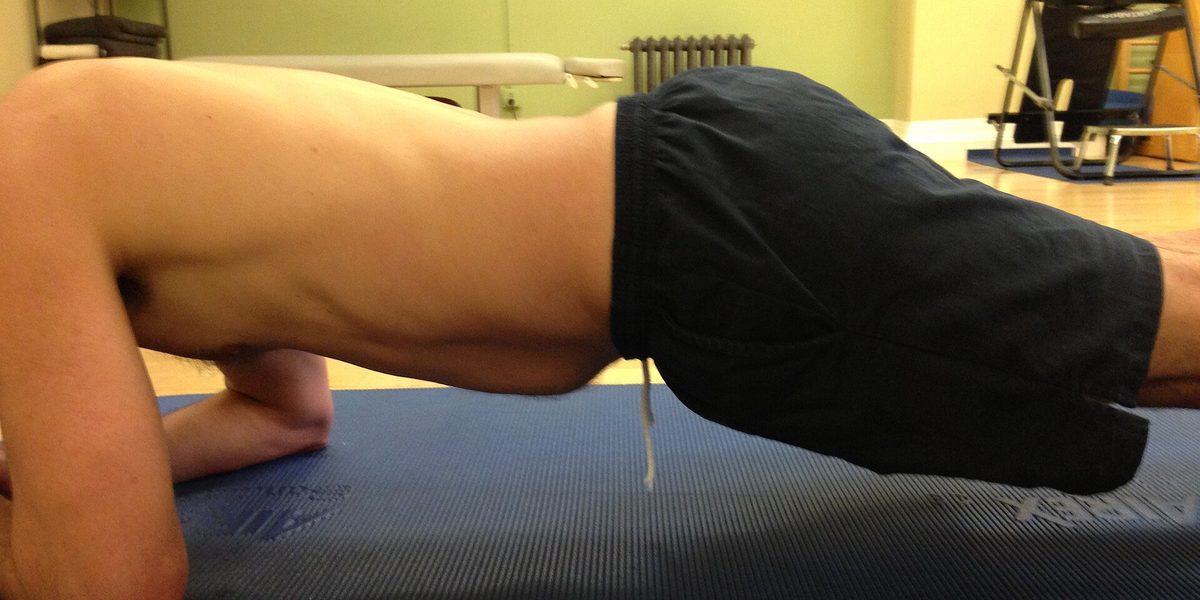
- Plank hold or slow mountain climbers: forty-five seconds
- Glute bridges: forty-five seconds
Rest for the remainder of each minute, then begin the next move. Two full rounds fill roughly ten minutes. Scale every exercise to your level, counter push-ups and shallow squats are perfect starting points, and make the movements harder as weeks pass. Done three or four times a week, this simple circuit builds noticeable strength from a standing start.
When two rounds become comfortable, progress the exercises rather than rushing: deeper squats, full push-ups, slower lowers, or a third round at a brisker pace. The circuit format hides a complete strength template, squat, push, lunge, core, hinge, which is exactly why it keeps working as you do.
Ten-Minute Cardio Intervals, Anywhere
For heart and lungs, intervals are the densest format available. After a ninety-second easy warm-up, alternate twenty to thirty seconds of brisk effort with forty to sixty seconds of easy recovery, repeating until the timer dies. The brisk effort can be fast walking, stair climbing, jumping jacks, high-knee marching, cycling, or jogging, anything that raises your breathing to the point where talking becomes choppy.
Beginners should start with gentler surges and longer recoveries; fitter exercisers can push the work periods harder. The beauty of this format is its honesty: ten minutes of real intervals leaves no doubt that you exercised. As fitness improves, you will recover faster between surges, a progress marker you can feel week to week without any equipment at all.
Stairs deserve a special mention as the most underrated interval tool in any home or office building. A few floors climbed briskly, descended easily, and repeated until the timer ends delivers a surprisingly complete session for the legs, lungs, and heart, with zero equipment and zero commute.
Stacking Short Sessions Into a Big Week
Ten-minute workouts compound beautifully. One session most days adds up to more than an hour of weekly training, which clears the bar where major health benefits begin to accumulate. A balanced week might alternate the strength circuit and the interval session, with an easy ten-minute walk on whatever days life gets loud.
You can also stack sessions on days with more room: a strength circuit in the morning and intervals after work count as twenty minutes of quality training without ever needing a continuous block. Habit researchers note that frequency builds identity; exercising briefly six days a week makes you feel like an exerciser far faster than one long weekend session does, and that identity is what keeps the habit alive when motivation dips.
Variety across the week also protects your body. Alternating strength circuits, intervals, and easy walks means no single joint or muscle group absorbs every session, and each day's work actively supports recovery from the last. Small sessions, smartly rotated, behave like a genuinely designed program.
What Short Workouts Cannot Do
Honesty keeps expectations healthy. Ten-minute sessions will meaningfully improve general fitness, energy, strength for everyday life, and health markers, but they have ceilings. Training for a marathon, building maximal strength, or pursuing serious muscle growth eventually requires longer sessions, because some adaptations simply demand more volume than ten minutes can hold.
That caveat matters less than it sounds. Most people are not chasing podiums; they are chasing energy, capability, and health, goals squarely within reach of short, consistent training. And short workouts have a way of growing: the ten-minute habit that survives your busiest season often stretches to twenty or thirty minutes when life loosens up. Start where time allows, and let the habit expand on its own schedule. In the meantime, take satisfaction in what the research and the mirror will both confirm: short, honest, frequent training changes bodies and lives far more reliably than grand plans that never fit the calendar. As always, anyone with significant health conditions should clear vigorous exercise with a qualified professional first.
Final Thoughts
The perfect workout you skip loses to the modest workout you complete, every single time. Ten focused minutes of compound movements or honest intervals, repeated most days, builds genuine strength and endurance while fitting inside even chaotic schedules. Keep the rest short, the effort honest, and the progression gradual, and stop waiting for a free hour that never comes. The timer is the easy part; the ten minutes you give it is where everything changes.