Strength training has a reputation problem. Many people picture racks of heavy barbells, intimidating machines, and crowded weight rooms, and decide it simply is not for them. The truth is far friendlier: you can build genuine, noticeable strength in your living room with little more than your own body weight, a bit of floor space, and a plan you can actually follow. Starting at home removes the two biggest barriers beginners face, which are intimidation and inconvenience, and lets you learn the movements at your own pace.
Why Strength Matters for Everyone
Strength training is not just for people who want bigger arms. Muscle is the engine of everyday life. It helps you carry groceries, climb stairs without strain, lift children, and get up off the floor with ease. It also supports your joints, improves posture, and helps maintain bone density as you age. Even modest resistance work can improve balance and reduce the risk of everyday injuries.
There is a metabolic bonus as well. Muscle tissue is more metabolically active than fat, so building and keeping it supports a healthy body composition over the long term. For beginners, the early gains come quickly, because much of the first improvement is your nervous system learning to recruit the muscle you already have. That means the first few months are the most rewarding time you will ever have in training.
What You Actually Need to Start
You need less than you think. A clear patch of floor roughly the size of a yoga mat, comfortable clothes, and supportive shoes or bare feet are enough for day one. As you progress, a few inexpensive additions dramatically expand your options.
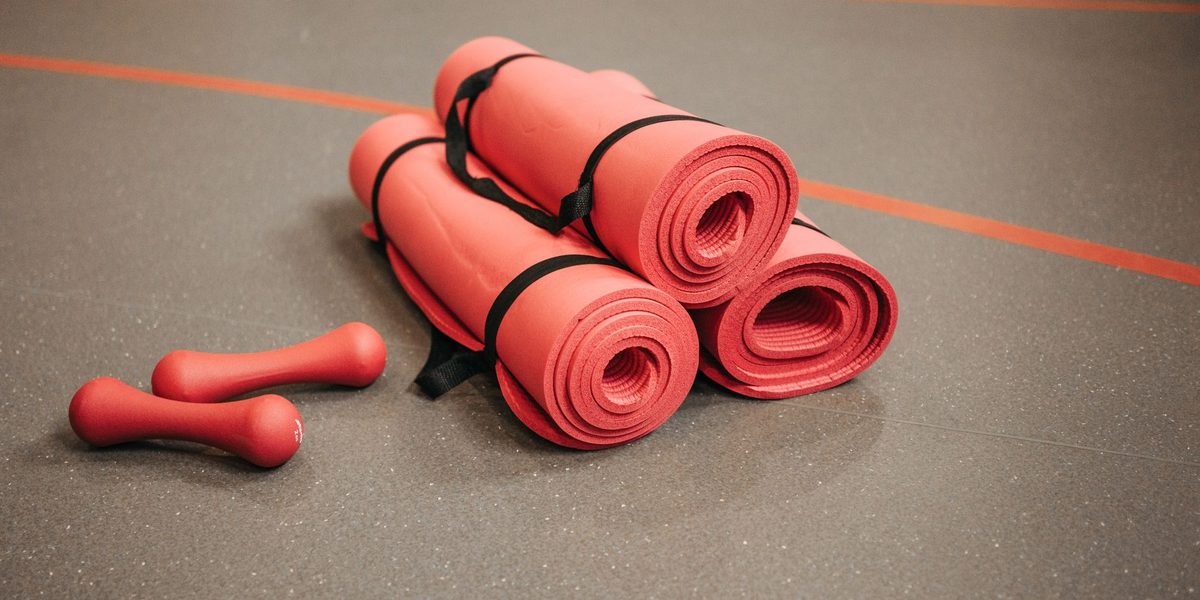
- A mat for floor work, planks, and glute bridges.
- Resistance bands in two or three strengths, which travel well and scale from gentle to challenging.
- A pair of adjustable dumbbells or two fixed pairs, one light and one moderate.
- A sturdy chair or low bench for step-ups, incline push-ups, and supported rows.
Resist the urge to buy everything at once. Master bodyweight basics first, then add equipment when an exercise starts to feel easy for more than fifteen repetitions.
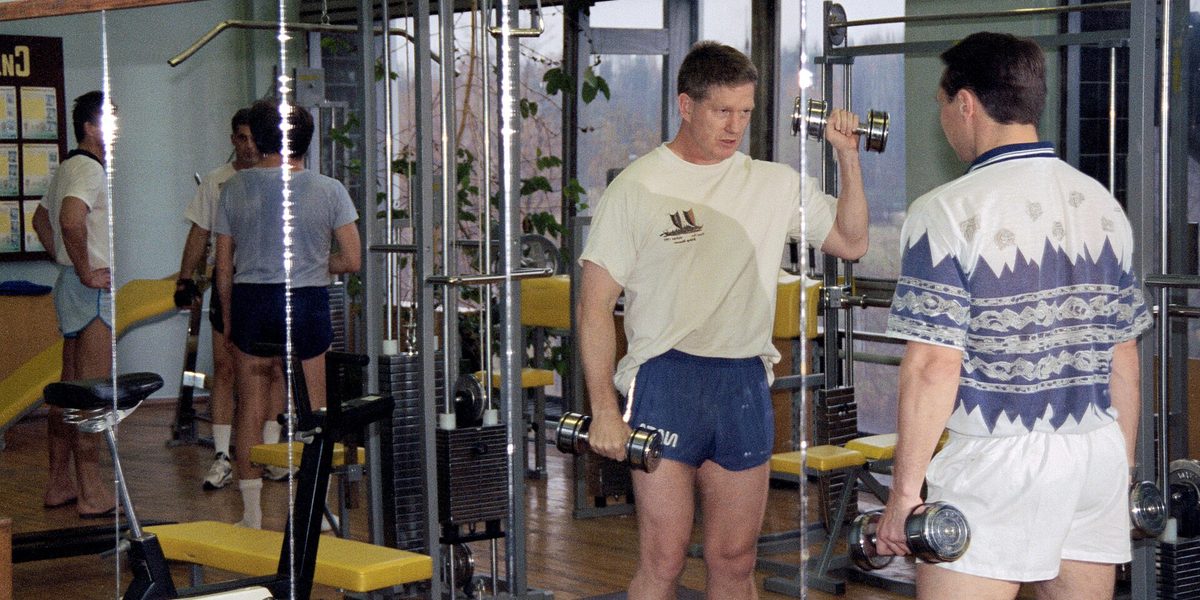
One underrated piece of equipment is a mirror, or failing that, your phone propped against a wall. Watching yourself perform a squat, or recording a short clip to review, gives you instant feedback on depth and posture that you simply cannot feel from the inside. Many beginners discover their back is rounding or their knees are caving the moment they see it happen, and the correction sticks far faster than any written cue ever could. Treat the camera as a free coach that never gets tired.
The Five Movement Patterns to Learn First
Rather than memorizing dozens of exercises, think in movement patterns. Nearly every strength exercise falls into one of five categories, and a beginner program simply needs one exercise from each.
- Squat: sitting back and down, as in a bodyweight squat or sit-to-stand from a chair.
- Hinge: bending at the hips with a flat back, as in a glute bridge or hip hinge with a band.
- Push: pressing away from you, as in wall push-ups, incline push-ups, or floor push-ups.
- Pull: drawing toward you, as in band rows or bent-over rows with a dumbbell.
- Carry or core: resisting movement through your middle, as in planks, dead bugs, or a farmer carry around the house.
If you train each pattern twice a week, you are covering your whole body without needing a complicated split routine.
A Simple First Month, Week by Week
Consistency beats intensity for beginners, so the first month is about showing up and grooving the movements. Aim for three sessions a week with at least one rest day between them. Each session can take twenty to thirty minutes.
Begin every workout with five minutes of easy movement such as marching in place, arm circles, and a few slow bodyweight squats. Then perform two sets of eight to twelve repetitions of one exercise from each movement pattern. Rest sixty to ninety seconds between sets. In week one, keep everything deliberately easy and focus on form. In week two, add a repetition or two per set. In week three, add a third set to your two favorite exercises. In week four, try a slightly harder variation of one movement, such as moving from wall push-ups to incline push-ups.
That gentle ramp is called progressive overload, and it is the single most important principle in strength training. Your body adapts to what you ask of it, so you keep asking for a tiny bit more.
A note on scheduling: the best time to train is whenever you will reliably do it. Morning sessions tend to survive busy days because nothing has had a chance to derail them yet, while evening sessions can double as a way to shake off work stress. Pick one slot, guard it for a month, and let repetition do the heavy lifting. Habits form around consistency of time and place far more readily than around bursts of enthusiasm.
Form Fundamentals That Prevent Injury
Good form is not about perfection; it is about a few reliable habits. Move slowly enough to stay in control, especially on the lowering portion of each exercise. Keep your core gently braced, as if preparing for a light poke in the stomach. Breathe out during the effort and in during the return. Stop a set when your technique starts to wobble rather than grinding out sloppy repetitions.
Soreness in the muscle a day or two after training is normal, particularly at the start. Sharp pain in a joint during an exercise is not. If something hurts, shorten the range of motion, choose an easier variation, or swap the exercise entirely. Anyone with existing injuries or health conditions should check in with a healthcare professional or qualified trainer before beginning a new program.
How to Keep Progressing After the Basics
Once three sets of twelve controlled repetitions feel manageable, you have several levers to pull. You can add resistance with bands or dumbbells, slow the tempo so each repetition takes four or five seconds, shorten rest periods, or progress to a harder variation such as split squats instead of regular squats. Changing only one variable at a time keeps progress measurable and your risk low.
It also helps to keep a simple log. A notebook or a note on your phone recording the date, exercises, sets, repetitions, and how it felt takes thirty seconds and turns vague effort into visible progress. Few things are more motivating than seeing that the push-up count that once felt impossible is now your warm-up.
Common Beginner Mistakes to Avoid
The most frequent mistake is doing too much too soon. Enthusiasm leads to daily workouts, excessive soreness, and burnout by week three. Strength is built during recovery, so those rest days are part of the program, not a break from it. The second mistake is program hopping, abandoning a routine every time a new one appears online. Any sensible plan followed for eight weeks beats a perfect plan followed for eight days.
Finally, avoid comparing your chapter one to someone else's chapter twenty. Home training is wonderfully private, so use that advantage. Your only competition is the version of you from last month.
Final Thoughts
Strength training at home is simple, inexpensive, and remarkably effective for beginners. Learn the five movement patterns, train three times a week, add a little challenge each session, and respect your rest days. Within a couple of months, everyday tasks feel lighter, posture improves, and the habit starts to carry itself. Start small, stay consistent, and let the results build quietly in the background of your life.