For decades, core training meant one thing: lie on your back and crunch until your neck aches and your abs burn. Yet ask physical therapists and strength coaches how they train the midsection today, and crunches barely make the list. The modern understanding of the core is bigger, smarter, and far more useful: a cylinder of muscle whose main job is not to flex your spine over and over, but to stabilize it while your arms and legs do the work of living. Train the core for that real job, and everything from posture to heavy lifting to everyday chores improves.
What Your Core Actually Is
The core is not a single muscle but a team. The rectus abdominis, the famous six-pack muscle, runs down the front. The obliques wrap the sides and handle rotation and side-bending. The transverse abdominis sits deep like a built-in corset, drawing inward to brace the trunk. Behind, the spinal erectors and the muscles of the lower back hold you upright, while below, the glutes and pelvic floor anchor the whole structure. Even the diaphragm, your main breathing muscle, forms the cylinder's lid.
Seen this way, the core is less a showpiece and more a transmission: it transfers force between your lower and upper body and keeps your spine safe while it does. A strong transmission makes every movement smoother, from swinging a bag into an overhead bin to picking a toddler off the floor.
A practical way to feel this team at work is to stand up and press your palms together hard in front of your chest. The tension that springs up around your waist, without any crunching motion at all, is your core doing its stabilizing job. That reflexive bracing, available in any position at any moment, is exactly the quality good training sharpens.
Why Crunch-Only Routines Fall Short
Crunches train exactly one of the core's abilities, spinal flexion, through a short range, usually at high repetitions. That leaves rotation, side-bending, and, most importantly, the ability to resist movement almost completely untrained. It is like practicing only the letter A and expecting to write essays.
There is also a comfort issue. Many people find high-volume crunching hard on the neck and tedious to perform, and repetitive flexing is not the kindest pattern for everyone's lower back. None of this makes the occasional crunch evil; it simply makes a crunch-only routine incomplete. The bulk of your core work is better spent elsewhere.
The Anti-Movement Revolution
The most important idea in modern core training is that the core's primary role is to prevent unwanted movement, not to create it. Coaches organize this into three families. Anti-extension exercises stop the lower back from over-arching, which is what planks and dead bugs train. Anti-rotation exercises resist twisting forces, as when you hold a band or cable at your chest and refuse to let it turn you. Anti-lateral-flexion exercises resist side-bending, which is exactly what happens when you carry a heavy bag in one hand and stay upright.
Training these capacities builds a midsection that does its real job: holding firm while life pushes, pulls, and twists at you. As a bonus, these exercises tend to be kinder to the spine than endless flexing, and they translate directly into better performance in squats, runs, and everyday lifting.
If you have ever braced for a bump while standing on a moving bus or train, you have already performed an anti-movement workout without noticing. Daily life is full of these moments, and training simply rehearses them with intention and progressively bigger demands.
The Essential Exercises to Learn
A complete core routine can be built from a short menu, with one pick from each family.
- Dead bug: on your back, arms and knees up, slowly lower one arm and the opposite leg while your lower back stays gently pressed to the floor. The gold-standard starter for anti-extension.
- Front plank: forearms and toes, body in one straight line, glutes squeezed. Quality beats duration; crisp twenty to thirty second holds trump saggy marathons.
- Side plank: stacked or with knees bent to regress, training the oft-neglected lateral core.
- Pallof press or band hold: stand side-on to an anchored band, press it straight out from your chest, and resist the twist.
- Suitcase carry: walk tall holding a single heavy dumbbell or loaded bag at your side without leaning. Perhaps the most life-relevant core exercise ever devised.
- Bird dog: from hands and knees, extend opposite arm and leg with a level, unmoving torso.
Rotational power, such as controlled twisting throws or band rotations, can be layered on later, once you can resist rotation well; earning the brakes before the accelerator keeps the spine happy.
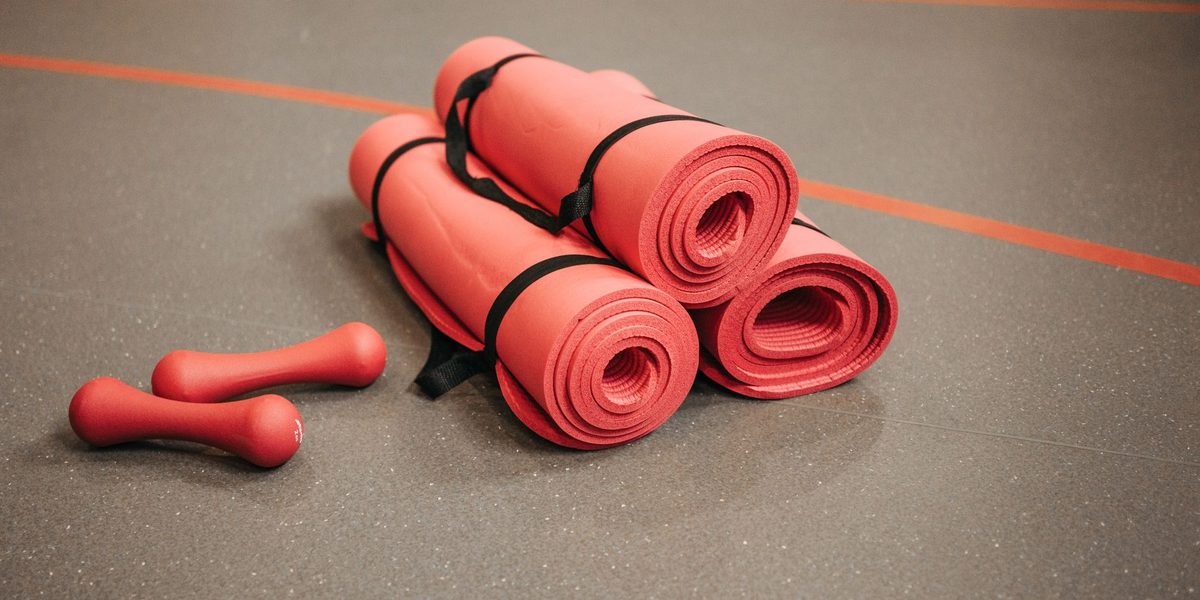
If equipment is scarce, household items stand in nicely: a filled water jug or a loaded shopping bag makes a fine suitcase-carry weight, and a backpack with a few books works for many drills. The core does not know what brand of resistance it is fighting; it only registers the demand.
Programming: How Much and How Often
The core recovers quickly, but it also works in every squat, row, and run you do, so it needs less dedicated volume than people assume. Two or three focused blocks per week is plenty: pick three exercises covering different families and perform two or three sets of each, either as a ten-minute finisher after your main workout or as a standalone mini-session.
Progress the same way you would any strength work, gradually. Extend plank holds modestly, slow down dead bugs, lengthen carry distances, or add load before adding endless time. A plank that stays rock-solid under a slow five-count breath beats a trembling two-minute sag. And keep breathing throughout every hold; the ability to brace while breathing calmly is itself a core skill, and holding your breath is a sign the variation is too hard.
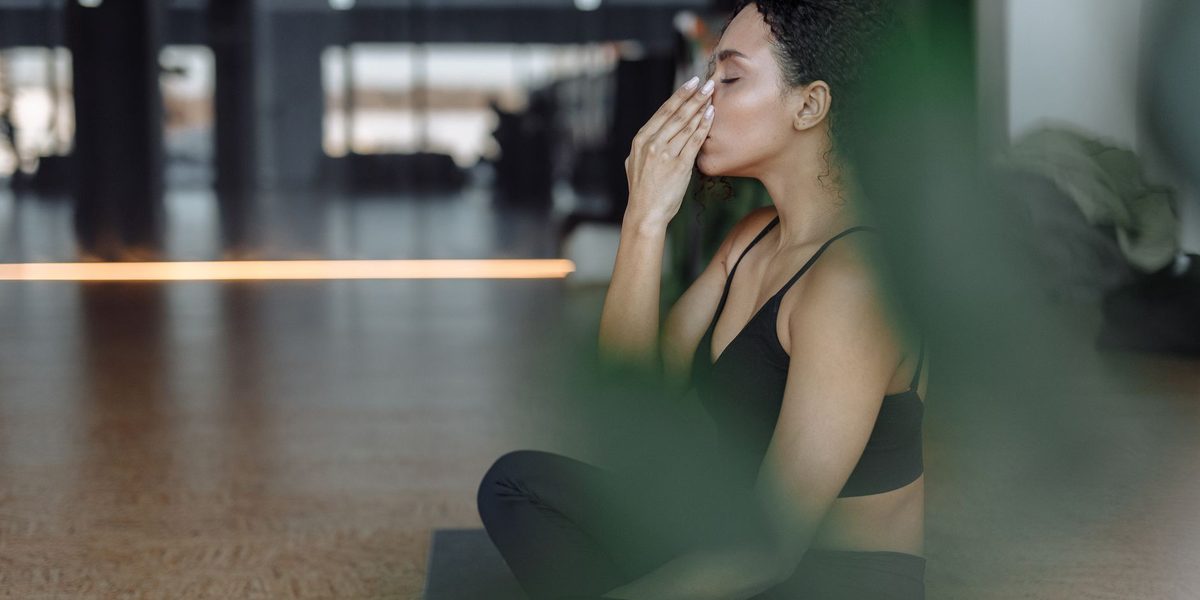
Breathing practice itself deserves a slot in the rotation. Lying on your back with hands on your lower ribs, breathe so the ribs expand sideways while the shoulders stay quiet, then exhale fully and feel the deep abdominal wall engage. A few minutes of this teaches the corset muscles their job and makes every brace that follows stronger. It looks like nothing and changes everything about how your holds feel.
The Honest Word About Visible Abs
No discussion of core training escapes the question of definition. Here is the straightforward answer: everyone has abdominal muscles, and core training makes them stronger and thicker, but whether they are visible depends overwhelmingly on overall body composition, which is governed mainly by nutrition, total activity, sleep, and genetics. No volume of planks spot-reduces the layer above the muscle.
The liberating flip side is that a strong core delivers its most valuable gifts, better posture, easier lifting, a resilient back, and steadier balance, regardless of what shows in the mirror. Train for function and let aesthetics be a possible side effect rather than the scoreboard.
Final Thoughts
Your core is a stabilizing cylinder, not a crunching machine, and it deserves training that matches its real job. Build your routine around resisting extension, rotation, and side-bending with dead bugs, planks, Pallof presses, and loaded carries, add rotation work once the basics are solid, and keep the sessions short, frequent, and crisp. Do that for a few months and you will feel the difference everywhere it matters: in your lifts, your posture, your balance, and the easy confidence with which you handle the heavy, awkward objects of ordinary life. If back pain is part of your story, loop in a qualified professional to tailor the details.