There is an old saying among beauty professionals: if you want to guess someone's age, don't look at their face, look at their hands. Hands are the workhorses of the body, washed a dozen times a day, baked in sun through car windows, plunged into dish water, and exposed to every season bare while the face enjoys serums and sunscreen. Unsurprisingly, they often look years ahead of the skin we actually care for. The encouraging flip side: because hands are usually so neglected, even a modest routine produces visible improvement fast.
Why Hands Age Ahead of Schedule
The back of the hand is uniquely vulnerable by design. Its skin is thin, with very little fat underneath, so any loss of plumpness quickly reveals tendons and veins. It has fewer oil glands than facial skin, which means less natural moisture protection and faster dehydration. And it sits at the end of an arm that spends all day in the world: gripping, scrubbing, typing, and catching ultraviolet light from every angle.
Then there is washing. Every rinse with soap lifts away a little of the skin's protective lipid layer, and modern life demands frequent washing. Without replacement, the barrier stays chronically depleted, which shows up as dryness, rough texture, fine crepey lines, and that papery look that makes hands read as older than they are. In short, hands age faster not because their skin is different in kind, but because it takes more hits and gets less help.
The One-Minute Habit That Changes Everything
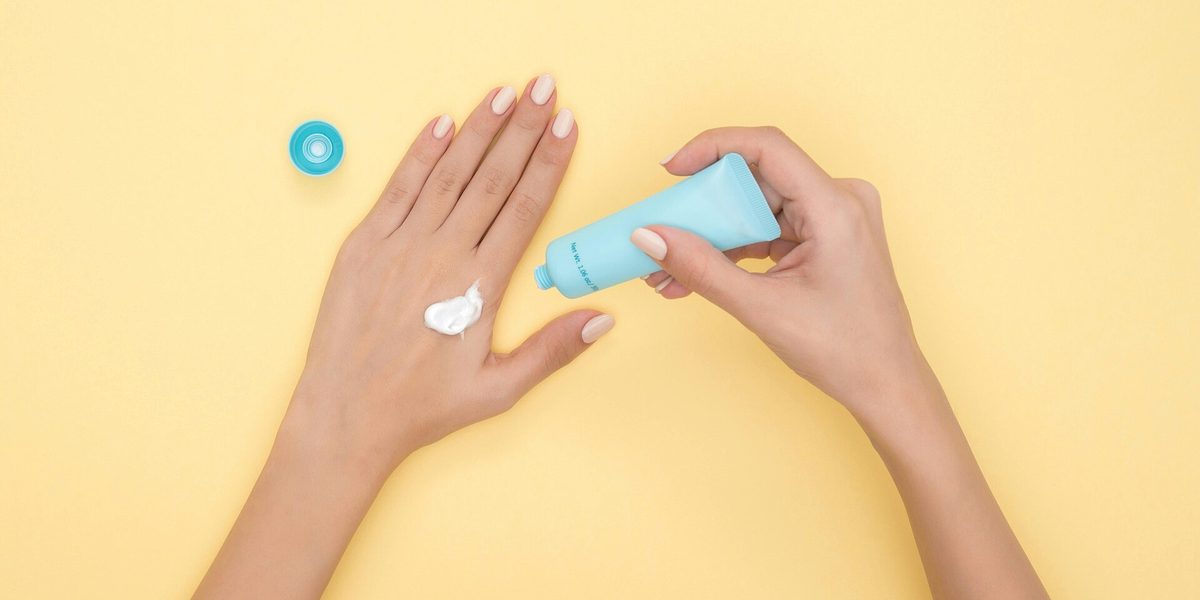
If you adopt a single hand-care habit, make it this: moisturize after every wash. Washing removes the skin's lipids; moisturizing immediately replaces them before dryness compounds. The classic trick is placement, not willpower: keep a tube of hand cream at every sink you use, another at your desk, one in your bag, and one on the nightstand. When the cream is within arm's reach, the habit builds itself.
Daytime creams should absorb fast so you will actually use them; look for glycerin, ceramides, shea butter, or squalane in a non-greasy base. At night, go heavier: a rich balm or an occlusive layer over your cream locks in moisture for hours. For seriously chapped hands, the overnight glove trick, thick cream under soft cotton gloves, can transform rough skin in a few nights.
Sunscreen: The Step Nobody Does
Sun exposure drives most of what we read as aged hands: the brown spots, the crepey texture, the uneven tone. Yet almost no one sunscreens their hands, and even those who do wash it off within the hour. Driving is the stealth culprit, since side windows let aging ultraviolet rays through and hands rest on the wheel in full light.
The realistic fix is layered. Apply sunscreen to the backs of your hands as the finishing step of your morning routine, and reapply after washing when you can, keeping a small sunscreen or an SPF-containing hand cream where you keep your regular one. For long drives, errands in strong sun, or outdoor hobbies, UV-protective gloves or simply keeping hands shaded does what reapplication cannot. Preventing new sun damage matters more than any corrective product, because spots are far easier to prevent than to fade.
Gloves Are a Beauty Product
Some of the best hand care doesn't come in a jar. Household gloves protect hands from the two biggest daily aggressors after sun: hot water and detergent. Wearing waterproof gloves for dishes, bathroom cleaning, and any work with harsh products spares your skin dozens of barrier-stripping exposures a week. Garden gloves prevent the scrapes, stains, and embedded grime that no scrubbing removes kindly, and warm gloves in cold weather prevent the chapping and cracking that wind and low humidity inflict on bare skin.
If gloves feel fussy, reframe them: one minute of putting on gloves saves twenty minutes of repairing cracked knuckles later. People whose hands stay enviably soft into later decades are almost always glove people.
Treating What's Already There
For hands already showing rough texture, lines, or spots, the face's favorite ingredients work here too, often better, because the skin has never seen them before. A sensible treatment menu:
- Exfoliating acids such as lactic or glycolic acid, a few nights a week, smooth rough texture and gradually brighten uneven tone
- Retinoids, applied in a pea-sized amount to the backs of hands at night, encourage firmer, smoother skin over months; introduce slowly and buffer with moisturizer
- Vitamin C and niacinamide help fade the look of dark spots with consistent use
- Urea-based creams soften thick, dry patches and calluses better than ordinary lotion
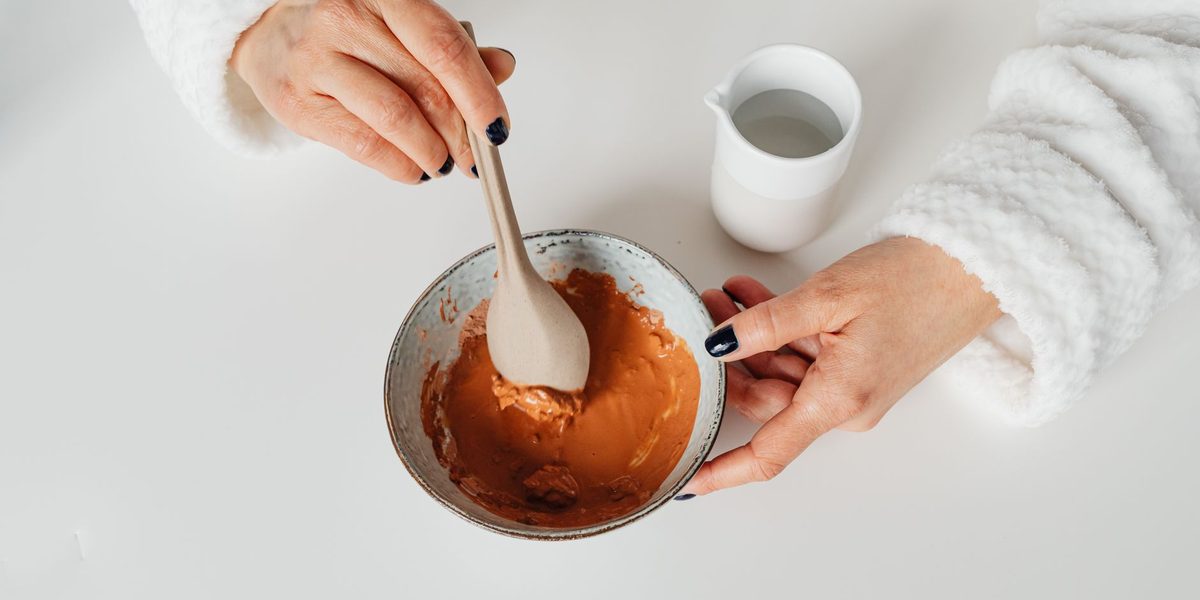
- Hand masks and overnight treatments give a quick boost before events
An easy shortcut: whatever actives you apply to your face at night, smooth the leftovers onto the backs of your hands. The routine costs nothing extra and keeps hands on the same improvement schedule as your face. Stubborn raised spots or any spot that changes should always be checked by a professional rather than treated cosmetically.
Rescue Protocol for Cracked, Chapped Hands
Even careful hands occasionally hit a wall: a cold snap, a stretch of extra washing, or a weekend of yard work leaves knuckles red, tight, and cracked. When that happens, switch from maintenance mode to repair mode. Pause all actives, including acids and retinoids, since broken skin needs rebuilding, not renovation. Wash with lukewarm water and the mildest cleanser available, pat dry gently, and apply a thick, bland ointment or balm several times a day, concentrating on the cracks. Petroleum-style occlusives are unglamorous but unmatched here, sealing fissures so they can close instead of reopening with every grip and stretch.
At night, run the full recovery ritual: a generous layer of rich cream, ointment pressed over the worst spots, and cotton gloves to hold everything in place while you sleep. Most chapped hands turn the corner within three or four nights of this treatment. Deep cracks that bleed, ooze, or refuse to heal, or itchy scaly patches that keep returning, may be eczema or another condition rather than simple dryness, and that is the point to involve a professional rather than another jar. Once skin is calm again, return to the maintenance routine, because the fastest way back to cracked knuckles is declaring victory and stopping.
Nails and Cuticles Finish the Picture
Youthful-looking hands are not just about skin. Dry, ragged cuticles and brittle nails add years to otherwise cared-for hands. Massage a cuticle oil or any rich balm into the nail area daily; it keeps cuticles from cracking and supports stronger nail growth. Resist cutting cuticles aggressively, since they seal the nail's growth zone against irritants; push them back gently after a shower instead.
Keep nails at a length that survives your real life, file in one direction to prevent splitting, and give nails occasional breathers between long stretches of polish or enhancements. Buffed, tidy, moisturized nails on soft skin read as polished even with zero color, and the whole maintenance ritual takes five minutes a week.
Final Thoughts
Hands tell the story of how we live, but they don't have to tell it before we're ready. The formula is almost embarrassingly simple: cream after every wash, sunscreen every morning, gloves for water and weather, a few borrowed actives from your facial routine at night, and a minute of nail care each week. None of it is expensive and none of it is difficult; it simply has to be consistent. Start today and your hands will look noticeably better within weeks, and years younger than they otherwise would a decade from now.