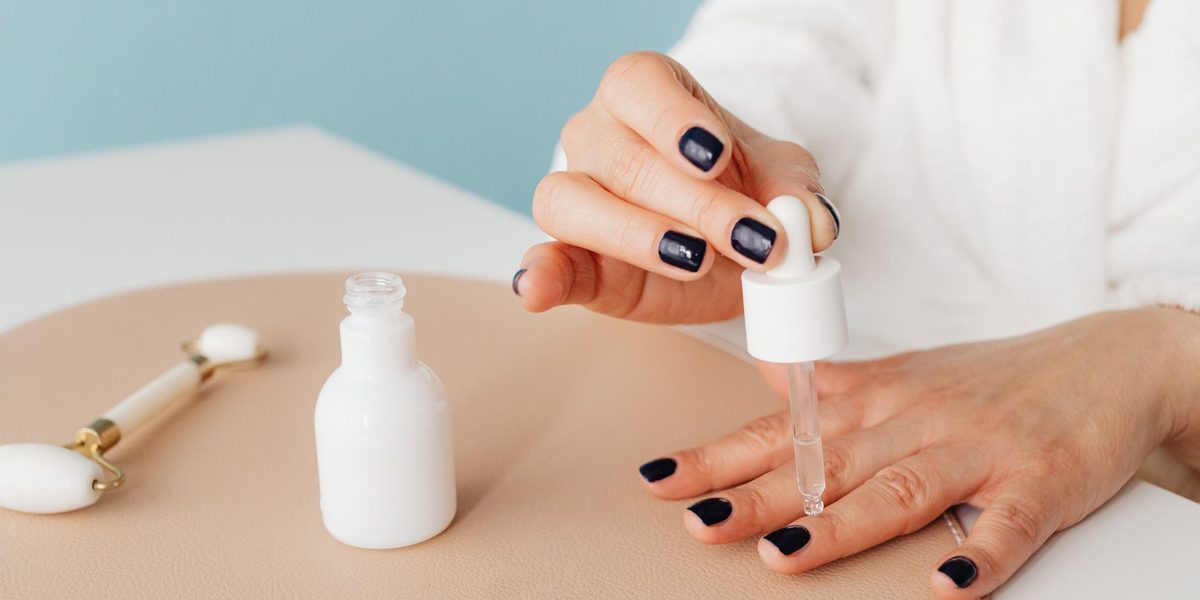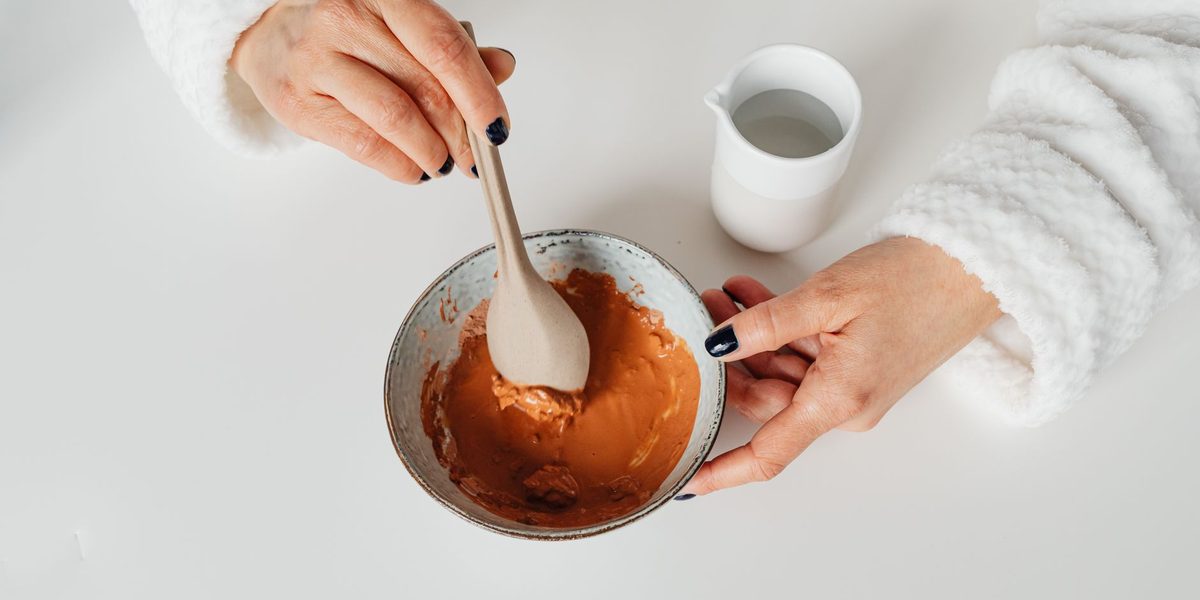
Exfoliation promises a lot: brighter skin, smaller-looking pores, fewer clogged spots, and a smoother canvas for everything else in your routine. It can deliver on all of that, which is exactly why so many people take a good thing too far. Scrubbing or acid-toning every single day feels productive, but skin has its own rhythm, and pushing past it trades a short-term glow for long-term irritation. The question is not whether to exfoliate, but how much your particular skin can actually handle.
What Exfoliation Really Does
Your skin naturally sheds dead cells on a cycle that runs roughly every few weeks, slowing as you get older. Exfoliation simply speeds up the last step, lifting away the dull outer layer so fresher cells show through. Physical exfoliants, such as scrubs, brushes, and textured cloths, do this mechanically. Chemical exfoliants, including alpha hydroxy acids, beta hydroxy acids, and gentler polyhydroxy acids, dissolve the bonds holding dead cells together so they release on their own.
Here is the part that gets lost in the marketing: the outer layer you are removing is not useless debris. It is part of your skin barrier, the shield that keeps moisture in and irritants out. Thoughtful exfoliation thins that layer slightly and temporarily. Aggressive exfoliation strips it faster than skin can rebuild, and that is when problems start.
The Telltale Signs You've Overdone It
Over-exfoliated skin rarely announces itself with one dramatic symptom. Instead, it sends a cluster of smaller signals that are easy to misread as a need for even more product. Watch for these:
- A tight, squeaky feeling after cleansing that lingers even after moisturizer
- Unusual shine that looks waxy rather than dewy, a sign the surface has been buffed too thin
- Stinging when you apply products that never bothered you before, even plain moisturizer
- Redness and blotchiness that flares after your routine instead of calming down
- Sudden breakouts or rough patches, because a compromised barrier lets bacteria and irritants in
- Flaking that gets worse the more you exfoliate, which tempts you into a damaging cycle
If two or more of these sound familiar, your skin is asking for a break, not a stronger acid.
How Often Is Actually Enough
There is no universal number, but there are sensible ranges. Most people with resilient, non-sensitive skin do well with chemical exfoliation two to three times a week. Sensitive or dry skin types often thrive on once a week, or even once every two weeks with a mild formula. Oily and congestion-prone skin can sometimes tolerate more frequent use of a gentle beta hydroxy acid, but daily strong exfoliation is rarely necessary for anyone.
Strength matters as much as frequency. A low-percentage lactic acid used twice a week is a very different commitment than a high-strength glycolic peel. If you use a potent product, space it out more. And remember that exfoliation hides in unexpected places: acid-spiked toners, enzyme cleansers, retinoid products that increase cell turnover, and gritty masks all count toward your weekly total, even if none of them is labeled as an exfoliant.
Physical Versus Chemical: Picking Your Lane
Physical and chemical exfoliation are not interchangeable, and stacking both in the same week is a common way people quietly overdo it. Physical methods give instant gratification and work well for body skin and tougher areas, but harsh scrubs with jagged particles can create micro-tears on the face. If you love a tactile scrub, choose one with smooth, rounded particles and use a feather-light touch, letting the product do the work rather than your fingertips.
Chemical exfoliants tend to be more even and predictable on facial skin. Alpha hydroxy acids work at the surface and suit dullness and rough texture. Beta hydroxy acid is oil-soluble, so it travels into pores and suits congestion-prone skin. Polyhydroxy acids are the gentlest of the family and a smart entry point for reactive skin. Pick one lane at a time, learn how your skin responds over several weeks, and resist the urge to run multiple exfoliating products side by side.
How to Recover From Over-Exfoliation
The good news is that a stressed barrier usually heals on its own once you stop sanding it down. Recovery starts with subtraction. Pause every exfoliating product, including acid toners and retinoids, and strip your routine back to three steps: a gentle, non-foaming cleanser, a simple moisturizer rich in barrier-supporting ingredients such as ceramides, glycerin, or squalane, and daily sunscreen, since thinned skin burns more easily.
Then comes the hard part: patience. Most mild cases calm down within a week or two, while more significant irritation can take a full skin cycle of about a month. Skip hot water, avoid long steamy showers on your face, and do not pick at flakes. When your skin feels comfortable again, with no stinging and no tightness, reintroduce one exfoliant at the lowest frequency and build up slowly from there.
Reading Your Skin Instead of the Label
Product instructions describe what a formula can tolerate, not what your face needs. The better guide is observation. After each exfoliating session, check in the next morning: does your skin look even and feel comfortable, or is it blotchy, tight, or shinier than usual? A good session leaves skin that behaves normally, holds moisture well, and accepts the rest of your routine without complaint.
Seasons change the answer too. Cold, dry months thin out the moisture in the air and make skin less tolerant, so most people should scale back in winter. Humid summer weather, heavier sweat, and more sunscreen layers may justify a slightly more frequent schedule. Life stages matter as well, since skin often becomes drier and slower to recover over time. The frequency that worked for you years ago may be too much now, and adjusting is not failure, it is good maintenance. If irritation persists no matter how gentle you go, a dermatologist can help rule out underlying conditions.
Don't Forget the Rest of the Body
Over-exfoliation is not only a facial problem. Body brushing, loofahs, exfoliating mitts, and acid-based body lotions have all become popular, and the same accumulation rules apply below the neck. Body skin is thicker and more forgiving than facial skin, but shins, forearms, and the chest are comparatively thin and dry, and they protest in the same ways: itching, tightness, and a stinging reaction to products that used to feel like nothing. If your legs itch furiously after every shower, your loofah and hot water may be doing more harm than your moisturizer can undo.
Treat body exfoliation as a targeted tool rather than a daily ritual. Rough spots such as heels, knees, and elbows can handle regular attention, while the rest of the body usually only needs help once or twice a week. Replace loofahs and mitts regularly, since damp shower tools collect bacteria, and always follow any body exfoliation with a proper layer of moisturizer while skin is still damp. If you shave, remember that a razor is itself a form of physical exfoliation, so schedule scrubs and acids away from shave days to avoid doubling up on the same patch of skin in one session.
Final Thoughts
Exfoliation is a seasoning, not a main course. Used sparingly, it keeps skin smooth, bright, and receptive to the rest of your care. Used daily and aggressively, it dismantles the very barrier that keeps skin healthy. Start low, go slow, count every acid and scrub in your week, and let the way your skin looks and feels, not the promise on the bottle, set the pace. The glow you are after comes from skin that is healthy underneath, and healthy skin is built on restraint.