Brows and lashes occupy only a sliver of facial real estate, yet they do a disproportionate share of the work. Brows frame the eyes and structure the whole face; lashes define the eyes even without a stroke of makeup. They are also genuinely functional, shielding the eyes from sweat, dust, and debris. Despite all this, most routines either ignore these little hairs entirely or abuse them with rough makeup removal, aggressive plucking, and heavy products. A little informed care goes remarkably far, because brow and lash hairs are small, fragile, and slow to replace themselves.
Understand the Growth Cycle You're Working With
Scalp hair grows for years before shedding, which is why it gets long. Brow and lash hairs operate on a far shorter cycle: a brief growing phase measured in weeks, a transition, then a long resting period before the hair finally sheds and a new one begins. Two practical truths follow from this biology. First, any damage you do takes months to visibly correct, because you must wait for the slow cycle to turn over. Second, any growth-supporting habit also takes months to show, so patience is baked into every brow and lash goal.
This is also why chronic over-plucking can have lasting consequences. Repeatedly ripping hairs from the same follicles for years can eventually convince some follicles to stop producing altogether. The sparse tails of over-tweezed brows often never fully return, which is the strongest argument for restraint while you still have hairs to protect.
Makeup Removal Is Where Lashes Live or Die
Ask anyone with damaged lashes what happened, and the answer is usually nightly: rubbing away stubborn eye makeup with a cotton pad and force. Lashes anchored in delicate eyelid skin cannot withstand daily friction, and waterproof formulas multiply the problem because they demand scrubbing unless properly dissolved.
The gentle method takes no longer. Soak a pad with a bi-phase or oil-based remover, press it against the closed eye for a slow count of twenty, then wipe downward once with almost no pressure. The soak does the dissolving so your hand doesn't have to. Save waterproof mascara for occasions that truly need it, never sleep in eye makeup, and never pick or pull at dried mascara flakes, which takes lashes with them. If you do nothing else from this entire article, soften your makeup removal; it is the single biggest lever for fuller-looking lashes.
Grooming Brows Without Sabotaging Them
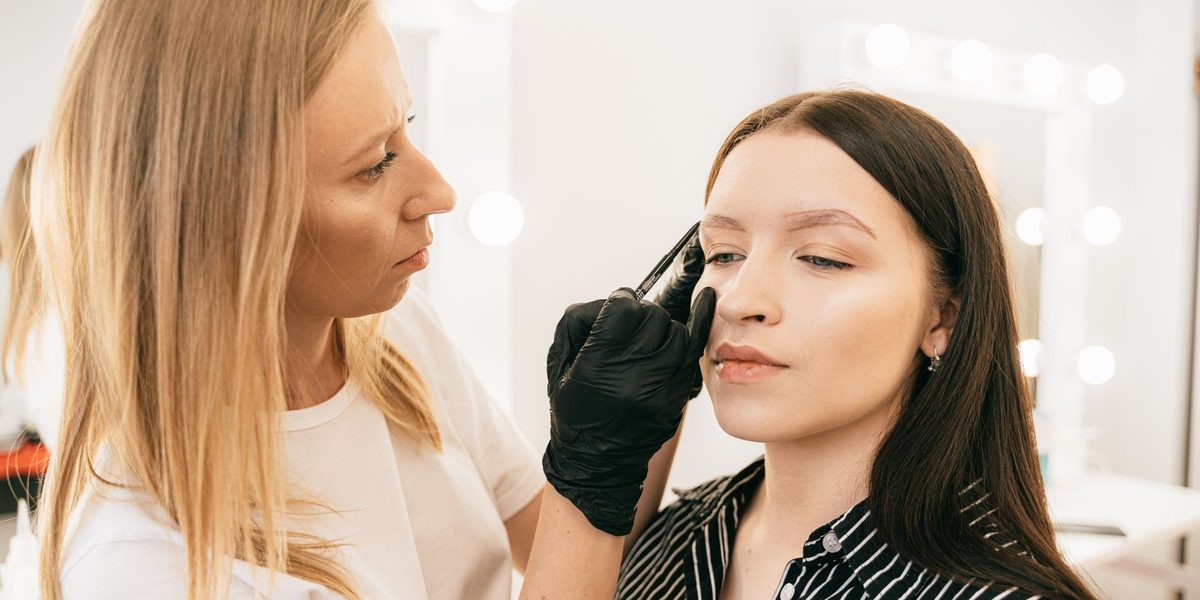
Good brow grooming is subtractive editing, not demolition. Work in daylight with a regular mirror rather than a magnifying one, which exaggerates every stray and tempts you into over-clearing. Brush brows up and into place with a spoolie first, because many apparent strays are just hairs lying in the wrong direction. Remove only the obvious outliers well outside your natural shape, one hair at a time, stepping back between pulls to see the whole face.
Pluck after a warm shower when follicles release hairs more easily, pull in the direction of growth to avoid breakage and distorted regrowth, and declare the area above the brow mostly off-limits, since that top line creates the shape's strength. If your brows need real redesigning, let a professional set the shape once, then simply maintain their map at home. And if you are growing out past-over-plucking, commit to a true hands-off season: hide the tweezers, brush daily, and let every hair come in before judging it.
Feed Them: Conditioning and Serums
Brow and lash hairs benefit from conditioning just as scalp hair does. The simplest version costs almost nothing: a tiny amount of nourishing oil, such as castor or jojoba, brushed through brows at night softens hairs and keeps the skin beneath flake-free, making brows look denser and better behaved. On lashes, be more sparing and careful, keeping oils out of the eye itself.
Dedicated lash and brow serums occupy a spectrum. Peptide-and-conditioner formulas strengthen existing hairs, reduce breakage, and help hairs persist through their full cycle, which reads as longer and fuller over a couple of months. Be consistent, apply to clean skin at the lash root or through the brow nightly, and expect gradual change rather than drama. Patch test anything new near the eyes, stop if you notice redness, itching, or darkening of the eyelid skin, and check with a professional if irritation persists. Results also retreat when you quit, since the serum supports a cycle rather than rewriting it.
Habits That Quietly Thin Them Out
Several everyday behaviors sabotage brows and lashes without feeling harmful in the moment:
- Eyelash curlers used roughly, especially after mascara, crimp and snap lashes; curl only clean lashes with gentle pressure
- Sleeping face-down grinds lashes into the pillow nightly; a smoother pillowcase and back or side sleeping help
- Rubbing itchy eyes sheds lashes by the handful; address the itch, whether allergies or dryness, rather than the scratch
- Expired eye makeup harbors bacteria that inflame the lash line; replace mascara every few months
- Heavy daily extensions or strip-lash glue stress natural lashes; schedule breaks between sets
- Harsh acids or retinoids drifting onto brows during skincare can thin brow hair over time; wipe the area after applying actives nearby
None of these requires giving up what you love, just handling the area with the same care you give a cashmere sweater rather than a dish towel.
Makeup Choices That Protect While They Enhance
Brow and lash makeup can either support your care routine or quietly undo it. On lashes, a lightweight everyday mascara that removes easily is kinder than a long-wear formula worn daily; tubing mascaras, which slide off with warm water instead of solvent and scrubbing, are a genuine gift to fragile lashes. Avoid layering coat after coat into a brittle shell, since thick dried mascara makes lashes snap at the slightest bend, and comb through wet mascara with a clean spoolie to prevent clumps that tug when removed.
For brows, soft pencils, powders, and lightweight gels sit on skin and hair without stress, while strong-hold waxes and glue-like laminating products can pull hairs out during removal if handled roughly. Whatever you use, dissolve it fully before wiping, and keep brushes and spoolies clean, because tools that touch the eye area weekly deserve the same hygiene as anything else near your eyes. One more protective habit: do your brow makeup after skincare has dried, since active-laden creams that migrate into the brow area, particularly acids and retinoids, are a stealth cause of gradual thinning at the edges where products pool.
When Thinning Means Something More
Gradual change with age is normal: both brows and lashes slowly become sparser over the decades, which is why flattering brow products exist. But sudden shedding, bald patches in a brow, loss of the outer third of the brows, or lashes falling out in clumps deserve attention beyond cosmetics. Nutrient shortfalls, thyroid changes, skin conditions at the lash line, and periods of intense stress can all show up first in these small hairs. A checkup is a better response than a new serum, and treating the cause typically lets the hairs return on their own schedule.
Final Thoughts
Brows and lashes reward gentleness and patience more than any product spend. Remove makeup with a soak instead of a scrub, pluck like an editor rather than a mower, condition nightly with a simple oil or serum, retire the habits that grind these fragile hairs away, and give every change a full growth cycle to show itself. Frame maintenance, done kindly, keeps the whole face looking awake and balanced, no makeup required.