Lips have a talent for bad timing. They crack in the depths of winter, burn unnoticed at the summer beach, flake just before an important event, and somehow resist every balm hastily bought at a checkout counter. The reason is anatomical: lip skin is among the thinnest on the body, has no oil glands of its own, produces very little protective pigment, and loses moisture several times faster than the skin on your face. In other words, lips cannot take care of themselves — they depend entirely on habits and protection you supply. The encouraging news is that a genuinely effective lip routine is tiny. Here is how to keep lips comfortable all year, season by season, and how to tell ordinary chapping from something that needs more help.
Why Lips Dry Out Faster Than Everything Else
Understanding the problem makes the solutions obvious. Lip skin lacks the sturdy outer layer and oil glands that protect the rest of your face, so it has no built-in moisture seal. It is constantly in motion — talking, eating, smiling — which stresses dry skin into splitting. It gets wet dozens of times a day with saliva, and repeated wet-dry cycles are among the most drying things that can happen to skin anywhere on the body. Add environmental insults — cold wind, dry indoor heating, sun, air conditioning — and lips are fighting uphill around the calendar.
This is why lip care is less about finding a miracle balm and more about two simple jobs: sealing moisture in with an occlusive layer, and interrupting the habits and exposures that strip it away. Everything that follows serves one of those two jobs.
Reading a Lip Balm Label Like You Mean It
Balms live or die by their ingredient lists, and the good ones are built from unglamorous workhorses. Look for occlusives that seal moisture in — petrolatum, lanolin, beeswax, shea butter — supported by emollients like plant oils and squalane that soften, and a humectant such as glycerin or hyaluronic acid to attract water. Ceramides are a bonus for chronically cracked lips. For daytime, a balm with broad-spectrum sun protection earns permanent pocket status.
Just as important is what to avoid, because some popular balms sabotage the lips they claim to help. Menthol, camphor, eucalyptus, and strong mint flavors create a pleasant tingle while actively irritating compromised skin. Fragrance and flavoring are frequent culprits in stubborn lip irritation, and tasty flavors encourage lip-licking, which makes everything worse. If a balm stings, burns, or tingles on application, that is not the feeling of it working — it is the feeling of irritation, and it belongs in the bin. The pattern of constantly reapplying a balm that never fixes anything usually traces to one of these irritating formulas.
The Habits That Quietly Wreck Lips
No balm can outrun a bad habit, and three in particular do most of the damage. Lip licking is the big one: saliva momentarily relieves dryness, then evaporates and takes additional moisture with it, while its enzymes mildly irritate the skin — a perfect self-perpetuating cycle that can leave a telltale ring of irritation around the mouth. The exit strategy is substitution, not willpower: keep a plain balm within arm's reach everywhere you spend time, and apply it the moment you feel the urge to lick.
Peeling and biting flakes is the second offender. Pulling a flake almost always tears into living skin, creating a sore spot that heals slowly and flakes again. The third is breathing through the mouth, especially overnight, which steadily dehydrates lips while you sleep — often the explanation for waking up chapped no matter the season. A humidifier in the bedroom and a generous layer of balm at bedtime blunt most of that overnight loss.
Winter: Defense Season
Cold air holds little moisture, wind strips the lip surface mechanically, and indoor heating dries everything further — winter is when lip care earns its keep. The strategy is layered defense: a thicker, occlusive-heavy balm applied before going outside, reapplied after eating and drinking, and worn generously at night like a tiny overnight mask. A scarf pulled over the mouth on brutal days provides genuine physical protection, and a bedside humidifier counteracts the radiator.
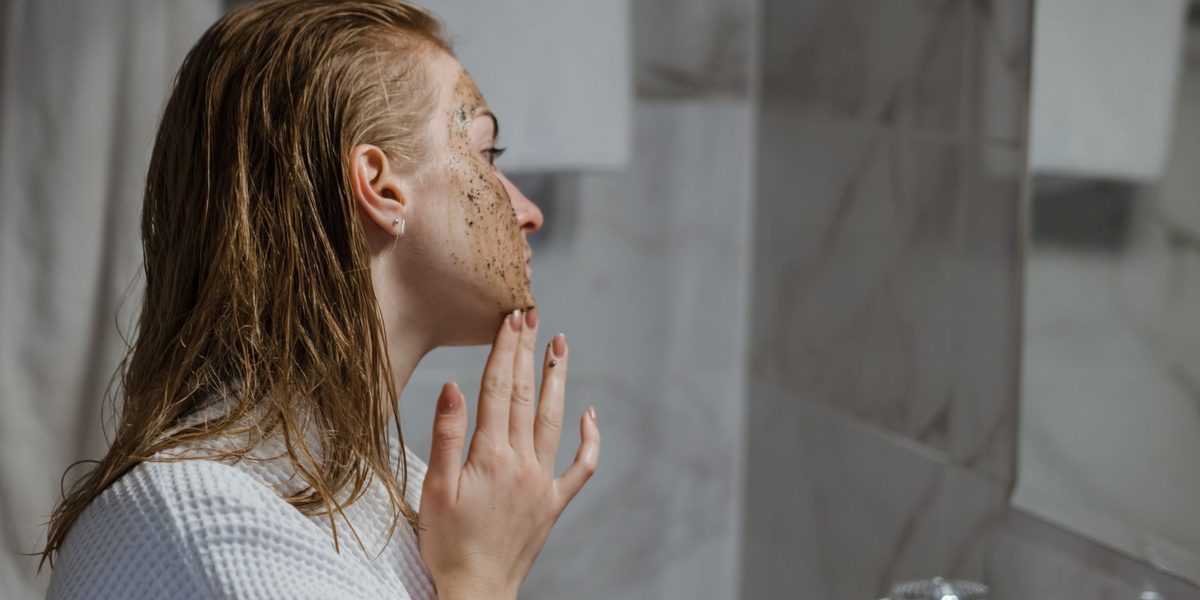
Resist the urge to aggressively scrub flaky winter lips. If flakes need help, soften them first — a warm shower or a damp cloth held to the lips — then the gentlest pass with a soft toothbrush or washcloth, followed immediately by balm. Exfoliating cracked or split lips delays healing; when lips are visibly injured, protection and patience beat polishing every time.
Summer: The Season Everyone Underestimates
Winter gets the reputation, but summer quietly deals serious lip damage, because lips burn easily and almost nobody protects them. Their minimal natural pigment offers little defense against the sun, and sunburned lips — tender, swollen, sometimes blistered — are both painful and cumulatively harmful, since chronic sun exposure contributes to long-term damage on the lower lip especially. A balm with sun protection, reapplied every couple of hours outdoors and after swimming or eating, is the single most neglected item in most beauty routines.
Summer also brings dehydration, salt water, and chlorine, all of which pull moisture from lip skin. Drink water consistently, rinse lips with fresh water after the pool or ocean, and keep that protective balm cycling. Glosses without sun protection, worn alone on a beach day, can leave lips more exposed, so layer them over a protective base when you will be in strong sun.
Spring and Fall: Transition Maintenance
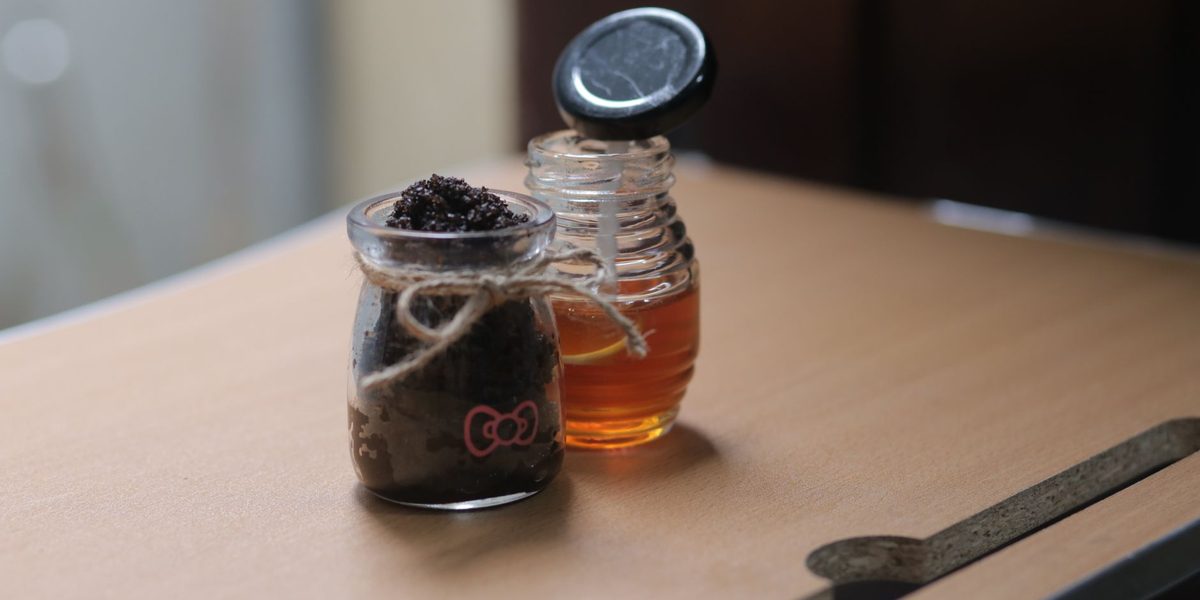
The shoulder seasons are for repair and recalibration. As harsh weather eases, lips tolerate gentle exfoliation better — once a week or so, a soft toothbrush, damp washcloth, or mild sugar scrub clears accumulated flakes, always followed by balm on slightly damp lips. This is also the time to audit the collection: balms past their best, anything with a tingle you have been tolerating, and the glosses that leave lips drier than before all deserve retirement.
Watch the weather swings these seasons bring. Windy spring days call for the winter playbook; the first warm weekends call for sun protection. Treat spring and fall as a sliding scale between your two seasonal modes rather than a third routine to memorize, and let your lips' comfort be the gauge.
When Chapped Is Not Just Chapped
Ordinary chapping responds to protection within days to a couple of weeks. When it does not, something else may be going on. Cracking that persists despite consistent, gentle care; painful splits at the corners of the mouth; recurring inflammation around the lips; a sore, scaly patch that never heals; or sudden swelling and itching after products or foods — each of these deserves evaluation by a dermatologist or healthcare professional. Persistent lip problems can signal allergies, nutritional deficiencies, infections, or skin conditions, all of which have real treatments. Likewise, any new or changing spot on the lip that will not heal should be checked promptly rather than balmed indefinitely. Knowing when to stop self-treating is part of good lip care.
Final Thoughts
Lip care is the rare beauty routine that fits in a pocket: a gentle, irritant-free balm for constant moisture, a protective version for sun, a heavier layer for winter nights, and the discipline not to lick, bite, or peel. Lips cannot protect themselves, but they respond quickly and gratefully when you do it for them. Build the small habits once, and soft, comfortable lips stop being a seasonal victory and become the year-round default.