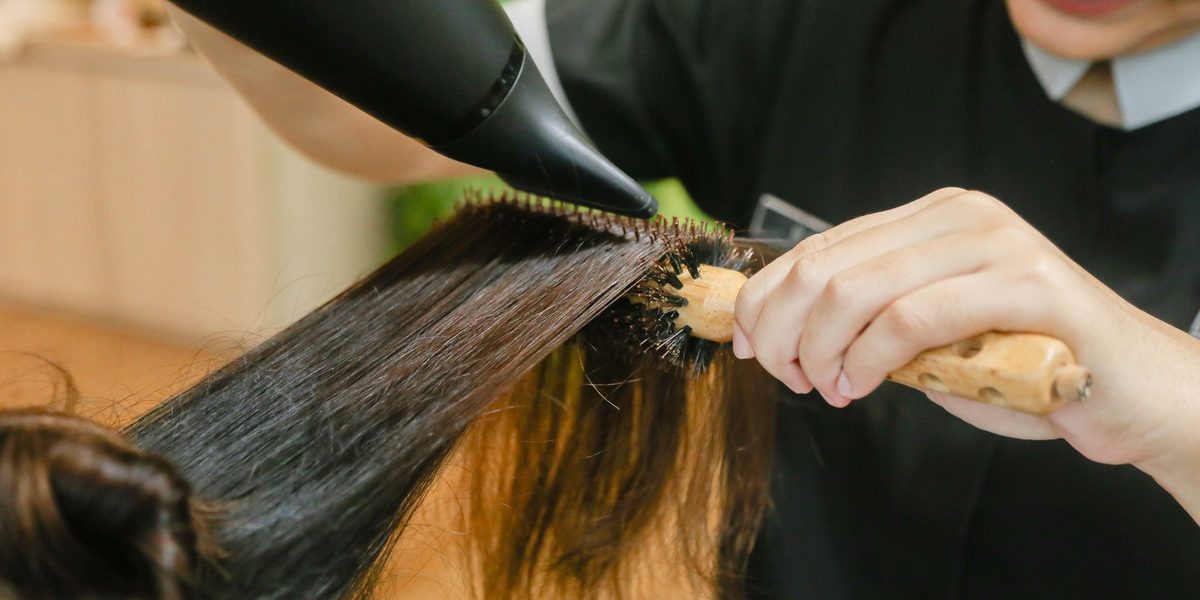
Most generic hair advice fails for a simple reason: hair is not one material. A fine, straight strand and a tightly coiled one are built from the same protein but behave like entirely different fabrics — they absorb moisture differently, break differently, and need washing on completely different schedules. The routine that keeps straight hair glossy would leave coils parched, and the rich creams that make curls thrive would flatten fine straight hair within hours. The fix is to stop following one-size-fits-all rules and build a routine around what your hair actually is. Here is how each major hair type works, and what a sensible weekly routine looks like for every one of them.
First, Know What You Are Working With
Two traits matter most. The first is your curl pattern: straight, wavy, curly, or coily. The second is strand thickness and density — fine, medium, or coarse strands, growing sparsely or densely. Together they determine the key variable in all hair care: how easily your scalp's natural oil, called sebum, travels from root to tip. On straight hair, oil slides down easily, so hair gets greasy fast but stays naturally conditioned. Every bend in a wave or curl is a roadblock for that oil, which is why curlier hair runs drier, frizzes more readily, and breaks more easily at the bends.
A useful bonus check is porosity — how readily your hair absorbs water and product. Hair that soaks up product instantly and still feels dry is typically high porosity and loves richer leave-ins; hair that takes ages to wet through and gets weighed down easily is lower porosity and prefers lighter layers. Observing how your hair drinks, or refuses, a conditioner tells you most of what you need.
Straight Hair: Managing Oil, Protecting Shine
Straight hair's superpower is shine — light reflects cleanly off an unbent strand — and its weakness is grease and limpness. Because sebum travels freely, most straight-haired people need to wash every one to three days with a lightweight shampoo, concentrating the lather at the roots where oil accumulates. Condition from the mid-lengths down and keep heavy products away from the scalp; a rich mask applied at the roots is an instant flat-hair sentence for fine strands.
Lightweight is the guiding word for styling too: light mists and sprays rather than creams and butters. Fine straight hair benefits from volumizing formulas, while coarse straight hair can handle a touch of smoothing oil on the ends. Brush gently from ends upward to distribute oil and prevent snapping, and if you heat-style regularly, a heat protectant is non-negotiable — straight styles showcase damage as visibly as they showcase shine.
Wavy Hair: The Balancing Act
Wavy hair lives between worlds: too much product weight pulls the wave straight, too little leaves it frizzy and shapeless. Washing every two to four days usually works, with a gentle shampoo and a light-to-medium conditioner through the lengths. The transformative habit for waves is how you handle them wet. Instead of brushing dry hair — which breaks waves into frizz — detangle in the shower with conditioner, then scrunch in a light styling mousse, gel, or cream while hair is soaking wet.
Encourage the pattern rather than fighting it: scrunch upward with a soft microfiber towel or cotton tee rather than rubbing, then air-dry or diffuse on low. If a gel leaves a crunchy cast, scrunch it out once hair is fully dry and the wave underneath stays defined and soft. Waves respond to technique more than to any particular product, so experiment with amounts before you blame the bottle.
Curly Hair: Moisture Is the Whole Game
With curls, almost every decision serves one goal: keeping moisture in. Shampoo less often than you think — once or twice a week suits many curly heads — and choose sulfate-free, hydrating formulas; some people alternate shampoo with conditioner-only washing. Conditioner is not an accessory but the main event: use it generously, detangle with fingers or a wide-tooth comb while hair is slippery with it, and never drag a brush through dry curls unless you want a halo of frizz.
Style on dripping-wet hair with a leave-in conditioner followed by a curl cream or gel, scrunched or raked through in sections. Dry with a diffuser on low heat or air-dry, and resist touching curls until they are fully dry. A weekly deep-conditioning mask pays visible dividends, and sleeping on a silk or satin pillowcase — or in a loose pineapple ponytail on top of the head — preserves definition overnight and cuts friction breakage dramatically.
Coily Hair: Maximum Care, Maximum Gentleness
Coily and tightly curled hair is the driest and most fragile type, because sebum barely makes it past the first few bends and every coil is a potential breaking point. The routine centers on layered moisture and minimal manipulation. Cleanse weekly or less with a gentle or low-lather shampoo, follow with a rich conditioner, and detangle only when hair is wet and coated in slip — working in small sections from ends toward roots with fingers or a wide-tooth comb.
Layering is standard practice: a water-based leave-in first, then a cream, then a light oil or butter to seal moisture in. Protective styles — braids, twists, buns — reduce daily handling, though they should never be installed tight enough to hurt, since constant tension at the hairline causes real, sometimes permanent, loss. Nightly protection with a satin bonnet, scarf, or pillowcase is as important as anything applied from a bottle. Regular trims matter too; a frayed end left alone becomes a split that travels upward.
Habits That Serve Every Hair Type
Underneath the differences, some fundamentals are universal.
- Lower the heat: wash with lukewarm water and keep hot tools to the lowest effective setting, always over a heat protectant.
- Treat wet hair gently: it is at its most fragile — blot, never wring, and skip tight elastics on soaking hair.
- Protect from sun and chlorine: hats and a pre-swim rinse with clean water spare hair real damage.
- Trim regularly: ends are the oldest, most-weathered part of every strand, whatever its shape.
- Feed it from inside: hair reflects overall health, so dramatic shedding or texture change is worth raising with a healthcare professional rather than treating with products alone.
Troubleshooting When Your Routine Stops Working
Hair changes — with seasons, hormones, water hardness, and age — so expect to adjust. Grease returning by evening means washing more often or lighter conditioning; dullness and buildup suggest an occasional clarifying wash; sudden frizz on a reliable routine often traces to humidity or a harsher new shampoo. If hair feels mushy and over-stretchy, it may need protein; if it feels brittle and straw-like, it needs moisture and less heat. Change one variable at a time, give it two or three washes to show results, and keep what works.
Final Thoughts
There is no universally correct hair routine — only the one matched to how your strands are built. Straight hair wants oil management and lightness, waves want wet styling and balance, curls want relentless moisture, and coils want rich layering with gentle hands. Learn your pattern, respect its physics, adopt the universal habits of low heat and gentle handling, and your hair will repay you with its best version — whatever shape that happens to take.