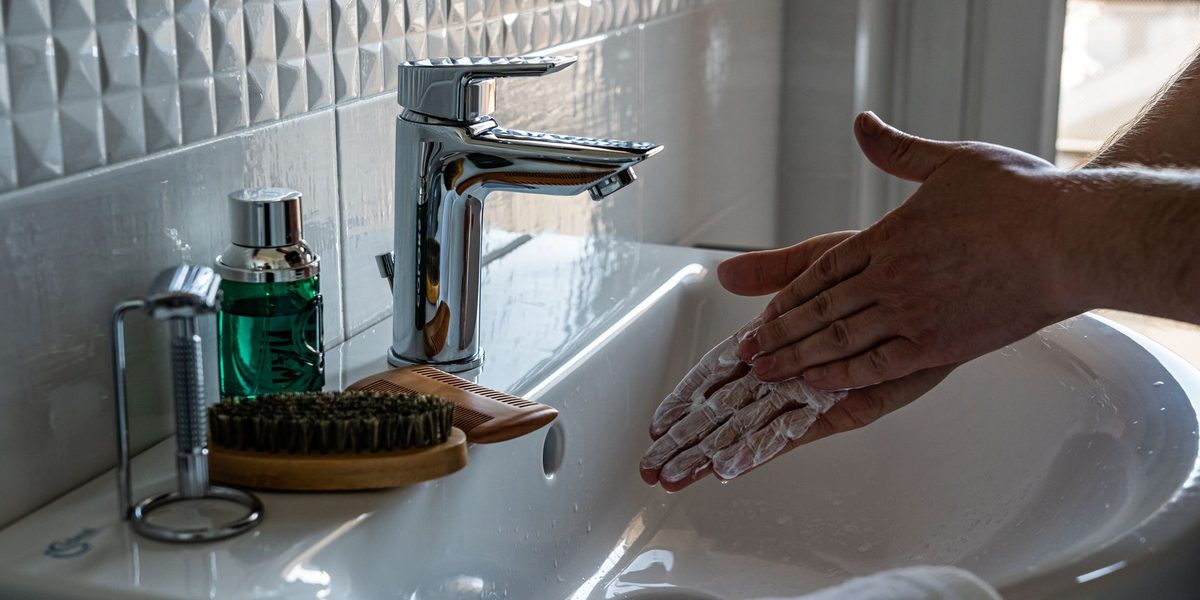
Cleansing is the step everyone thinks they have mastered, which is exactly why it causes so much quiet damage. Serums and moisturizers get all the scrutiny, but a face is washed hundreds of times a year, and small errors repeated that often add up to tightness, redness, breakouts, and a skin barrier that never quite feels right. The frustrating part is that cleansing mistakes masquerade as other problems — people respond to the resulting irritation by buying more products, when the real fix is changing how they wash. Here are the most common cleansing missteps and the simple corrections that let the rest of your routine finally work.
Washing Too Often — or Too Aggressively
More cleansing does not mean cleaner, healthier skin. The outer layer of your skin is held together by natural oils and lipids, and every wash removes some of them. Twice a day is plenty for almost everyone, and people with dry or sensitive skin often do better with a proper cleanse at night and just a lukewarm water rinse in the morning. Washing three, four, or five times a day — a common habit among people fighting oiliness — strips the barrier, and stripped skin frequently responds by producing even more oil.
Aggression is the twin mistake. Scrubbing hard with fingertips, washcloths, or cleansing brushes does not deep-clean pores; it just creates friction damage. Cleansing should feel like a gentle massage, not an exfoliation. Light pressure with the pads of your fingers for thirty to sixty seconds removes everything a cleanser is capable of removing. Anything rougher is subtracting from your skin, not adding to it.
Using Water That Is Too Hot
A steaming-hot face wash feels wonderful, especially in winter, and it is one of the worst routine habits for your skin. Hot water dissolves and rinses away skin lipids far more efficiently than warm water, leaving the barrier depleted, and it dilates surface blood vessels, aggravating redness and flushing — a particular problem for anyone prone to sensitivity. The popular idea that hot water opens pores and cold water closes them is a myth; pores are not doors and have no muscles to open or shut.
Lukewarm is the target: comfortable, tepid, unremarkable. If your bathroom mirror is fogged, your water is probably too hot for your face. Save the hot water for your shoulders and finish your shower by rinsing your face at a cooler temperature — faces wash best unheroically.
Choosing a Cleanser That Fights Your Skin
That tight, squeaky-clean feeling after washing is widely misread as proof a cleanser works. In reality, squeaky skin is stripped skin. A well-matched cleanser removes oil, sunscreen, and grime while leaving your face feeling soft and comfortable, never parched. If you feel an urgent need to moisturize the moment you towel off, your cleanser is too harsh.
Match the format to your skin: cream, milk, and lotion cleansers suit dry and sensitive skin; gel cleansers suit combination skin; foaming formulas are best reserved for genuinely oily skin — and even then, look for gentle on the label. Bar soap made for bodies is almost always too alkaline and stripping for faces. Fragrance-free is a smart default for anyone who has ever experienced stinging, and the word hydrating on a cleanser is one of the few marketing terms that reliably points you in a gentler direction.
Rushing the Job — Especially at Night
The evening cleanse carries the heaviest load: a full day of sunscreen, makeup, sebum, pollution, and touched-face bacteria. A five-second splash-and-swipe leaves much of that behind to sit on your skin all night, which is a direct route to congestion, dullness, and morning breakouts. Give the evening wash a full thirty to sixty seconds of gentle massaging, paying attention to the hairline, jawline, around the nostrils, and under the chin — the zones everyone misses and where clogged pores love to settle.
If you wear long-wearing makeup or water-resistant sunscreen, a single pass of a gentle cleanser often is not enough. That is where a two-step approach earns its keep: a cleansing balm, oil, or micellar water first to dissolve the stubborn layer, then your regular cleanser to rinse everything clean. It sounds indulgent but takes barely a minute, and it beats grinding at your skin with a cotton pad soaked in makeup remover.
Skipping the Wash After Sweat — or Skipping Rinse-Off Entirely
Workouts create a specific cleansing moment many routines ignore. Sweat left to dry on the face, mixed with friction from towels, hats, and helmet straps, is a reliable recipe for breakouts along the hairline and jaw. You do not need a full routine at the gym — a quick rinse or a gentle cleanse soon after sweating is enough, followed by your moisturizer and, if you are heading outside, sunscreen.
The opposite shortcut causes trouble too: wiping the face with a makeup wipe or micellar water and calling it cleansed. Wipes smear residue around more than they remove it, and most micellar waters leave surfactants sitting on the skin that are meant to be rinsed. These tools are excellent first steps or travel compromises, not nightly substitutes for actual washing with water.
The Dirty Accessories Nobody Thinks About
A perfect cleansing technique can be undone by what touches your face immediately afterward. The usual suspects deserve a quick audit.
- Face towels: a damp towel reused for days collects bacteria and residue. Swap in a clean one every few days, or pat dry with single-use paper towel if you are breakout-prone, and always pat rather than rub.
- Washcloths and cleansing brushes: anything that stays wet between uses needs washing and full drying, or it becomes a microbe applicator.
- Hands: wash them first — cleansing your face with hands fresh from doorknobs and phone screens partly defeats the purpose.
- Pillowcases: technically post-cleansing, but a week-old pillowcase re-deposits oil and residue onto a freshly washed face every night. Change it at least weekly.
Forgetting That Cleansing Has a Context
Cleansing does not end when the water stops. Skin is most receptive — and most vulnerable — in the minutes after washing, so follow promptly with moisturizer while skin is still slightly damp to lock hydration in rather than letting it evaporate away. Letting a freshly washed face air-dry untouched for twenty minutes is a quiet moisture thief.
Also think about what cleansing sits next to in your routine. If you use exfoliating acids or retinoids, an abrasive scrub or a harsh cleanser on top is double punishment, and irritation becomes almost inevitable. The stronger your treatments, the gentler your cleanser should be. And if your skin stays red, stinging, flaky, or breakout-prone despite sensible washing, stop troubleshooting alone — a dermatologist can tell you whether you are dealing with a damaged barrier, a skin condition, or simply a mismatched routine, and save you months of guesswork.
Final Thoughts
Great cleansing is defined by restraint: twice a day, lukewarm water, a gentle well-matched formula, unhurried technique at night, clean towels, and moisturizer promptly afterward. None of it is glamorous, and that is the point — washing your face well is a quiet foundation, not a performance. Fix these small habits and you may find that the expensive serums you bought to solve tightness, redness, and breakouts were treating symptoms your sink was causing all along.