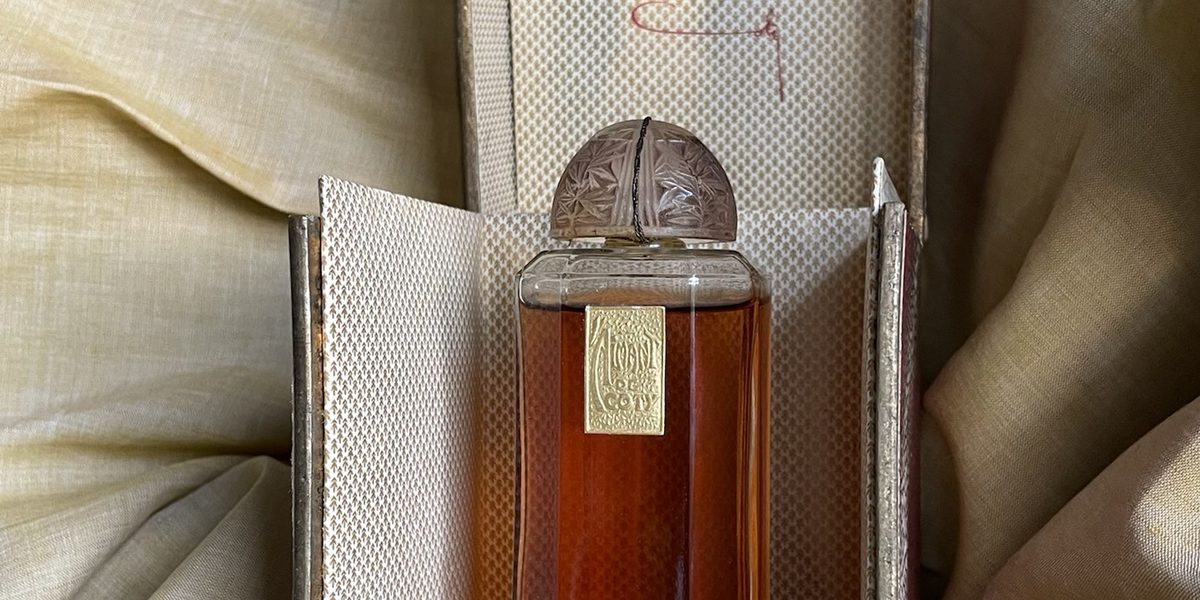
Fragrance is the most intimate and least understood corner of the beauty world. A scent occupies the air around you, triggers memory more powerfully than almost any other sense, and tells people something about you before you say a word — yet most of us choose one in a chaotic shop, overwhelmed after sniffing a dozen testers, and then wonder why the bottle smells different at home. Like wine or coffee, fragrance rewards a little vocabulary and a lot of patient tasting. Here is a practical, hype-free guide to understanding how perfume works, finding a scent that genuinely suits you, and wearing it with confidence.
How a Fragrance Unfolds: Top, Heart, and Base
A perfume is not one smell but a timed sequence. The top notes are what you smell in the first few minutes — typically bright, volatile materials like citrus, light fruits, and fresh herbs. They make the first impression and then evaporate. The heart notes emerge over the next while and form the fragrance's character for a few hours: florals, spices, green notes, soft fruits. Finally the base notes — woods, musks, amber, vanilla, resins — anchor everything, lasting on skin for many hours and creating the trail a scent leaves behind.
This structure explains the cardinal rule of perfume shopping: never judge a fragrance by its first spray. The opening you love may sit atop a base you hate, and a harsh opening often settles into something beautiful. A fragrance deserves at least a few hours on your skin before it has honestly introduced itself.
Learn the Families to Find Your Taste Faster
Nearly every fragrance belongs to a handful of broad families, and identifying which ones draw you is the fastest shortcut through thousands of bottles.
- Fresh: citrus, aquatic, and green scents — clean, energetic, easygoing; the natural home of casual and warm-weather fragrances.
- Floral: the largest family, from a single-flower soliflore to lush bouquets; it ranges from airy and innocent to rich and heady.
- Oriental or amber: warm, sweet, spicy scents built on vanilla, resins, and spices — cozy, dramatic, and long-lasting.
- Woody: sandalwood, cedar, vetiver, and patchouli — grounded, elegant, and traditionally unisex territory.
- Fougère and aromatic: lavender, herbs, and mossy bases — the classic barbershop lineage.
- Gourmand: dessert-like notes such as caramel, chocolate, and praline — playful and comforting.
Think about smells you already love in daily life — fresh laundry, old books, baking, a pine forest, a flower shop — and you will usually find your starting family. Modern perfumery happily blends families, but knowing your home base turns an overwhelming wall of bottles into a navigable map.
Concentration: Why the Same Name Comes in Different Strengths
The same fragrance name often appears in several concentrations, which describe how much aromatic oil is dissolved in the base. Eau fraiche and body mists are the lightest, pleasant for an hour or two. Eau de cologne sits a step above. Eau de toilette is the everyday middle ground — present for a few hours without dominating a room. Eau de parfum carries noticeably more oil, projecting further and lasting much of a day, while extrait or pure parfum is the richest and most intimate, worn close to the skin.
Higher concentration means longer wear and usually a higher price, but not automatically better. A light eau de toilette may be exactly right for an office or summer heat, while an eau de parfum earns its keep on winter evenings. Many people eventually keep one lighter and one richer option rather than hunting a single scent for all occasions.
Testing Like a Professional
Good fragrance shopping is slow on purpose. Start with paper blotter strips to screen candidates quickly — spray, wave to dry a moment, sniff, and label each strip, because after a few they blur together. Limit any single session to sniffing a handful of scents; the nose fatigues quickly, and everything after the sixth tester smells like confusion. Sniffing your own skin, like the inside of your elbow, or stepping outside for fresh air helps reset between strips.
When two or three candidates survive the paper round, move to skin — one fragrance per wrist or forearm at most — and then do the hardest part: leave the shop. Wear each finalist through a full day, noticing how it behaves in the afternoon, how it feels in a warm room, whether you still enjoy catching it on yourself at night, and whether it gives you a headache. Skin chemistry, driven by individual warmth, moisture, and natural oils, genuinely alters how a scent sits, which is why a fragrance that is stunning on a friend can turn flat or sharp on you. Samples and travel sizes are the budget-smart path: living with a scent for a week answers questions no shop visit can.
Wearing It Well: Placement, Amount, and Restraint
Fragrance rises with body heat, so apply it to warm spots: the base of the throat, the chest, behind the ears, the inner wrists. A spray or two in the right places outperforms a cloud walked through. Resist the old advice to rub your wrists together — the friction heats and crushes the delicate top notes, skewing the opening. On skin, moisturized is better than dry; unscented lotion applied first gives the perfume oils something to cling to and measurably extends wear. A light spritz on hair or a scarf carries scent beautifully too, though alcohol-heavy sprays are better kept off very dry hair.
The amount is an etiquette question as much as an aesthetic one. You stop smelling your own fragrance within minutes — a phenomenon called nose blindness — but everyone sharing your elevator does not. Two to four sprays is plenty for most concentrations. In close quarters like offices, gyms, and airplanes, lighter hands and lighter scents are a courtesy; some workplaces and clinics ask for none at all, and honoring that gracefully is part of wearing fragrance well.
Making Bottles Last: Storage and Skin Sense
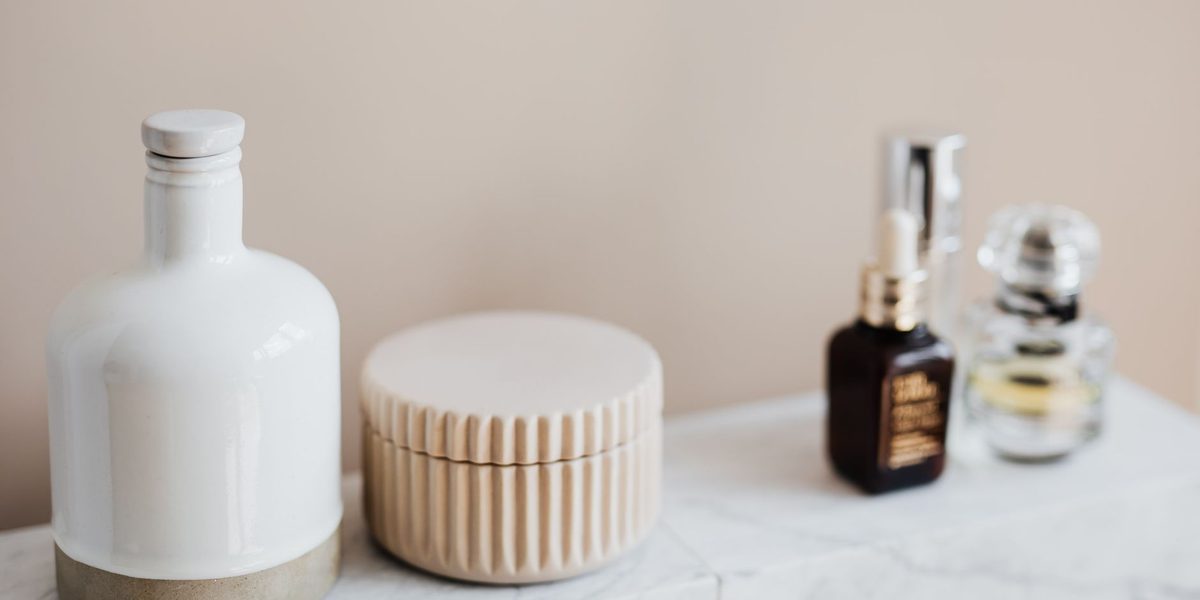
Perfume has three enemies: heat, light, and air. The steamy, sunlit bathroom shelf where most bottles live is the worst storage spot in the house; a drawer or closet in a cool, dark room keeps a fragrance true for years. Keep bottles capped, and leave the juice in its original bottle rather than decanting the whole thing, since each transfer introduces air. If a scent darkens dramatically or turns sour and vinegary, it has aged out.
A final note on skin: fragrance is a common irritant for sensitive types. If sprays leave you itchy or red, apply scent to clothing instead of skin, choose lighter concentrations, or patch-test on a small area first. Persistent reactions are worth mentioning to a healthcare professional — enjoying fragrance should never cost you comfortable skin.
Final Thoughts
Finding a fragrance you love is a process of tasting, not a moment of buying: learn the top-heart-base arc, identify the families that feel like you, test slowly on paper and then on skin, and live with a sample before committing to a bottle. Then wear it with restraint — on warm pulse points, in modest amounts, stored away from light and heat. A well-chosen scent worn well becomes something better than an accessory; it becomes the way a room remembers you were there.