Few beauty complaints are as universal, or as stubborn, as the under-eye area. Dark circles and puffiness show up uninvited after a bad night, a salty dinner, or a long week, and sometimes they simply move in permanently. The under-eye zone also attracts more miracle-cure marketing than almost any other patch of skin. Understanding what is actually happening beneath that thin skin is the fastest way to separate the habits and ingredients that help from the ones that just drain your wallet.
Why the Under-Eye Area Is So Dramatic
The skin beneath your eyes is among the thinnest on your body, several times thinner than the skin on your cheeks. That thinness means everything underneath shows through more easily: blood vessels, fluid, shadows, and shifts in volume. There are also fewer oil glands here, so the area dries out faster, and dry skin exaggerates every line and crease.
Because the skin is a near-transparent curtain, two people with identical lifestyles can look completely different under the eyes. Genetics decide how thin your skin is, how deep your eye sockets sit, and how your face stores fat and fluid. That is why your friend can sleep four hours and look fresh while you drink water, sleep well, and still get asked if you are tired. It is not fair, but it is useful to know before you blame your routine.
Dark Circles Are Not All the Same
The phrase dark circles covers at least three different problems, and each responds to different fixes. Vascular circles look bluish or purple and come from blood vessels showing through thin skin; they often worsen with fatigue, allergies, and screen-heavy days. Pigmented circles look brown and are caused by extra melanin in the skin itself, more common in deeper skin tones and often worsened by sun exposure and rubbing. Structural circles are really shadows: as the face loses volume or the under-eye hollow deepens, light stops reaching that groove and it reads as darkness no matter how rested you are.
A quick home test helps: gently press the area or tilt your chin up toward a light source. If the darkness fades when the skin is stretched or lit directly, shadows and vessels are likely involved. If the brown tint stays put regardless of angle, pigment is playing a role. Many people have a blend of all three.
What Causes Puffiness
Puffiness is mostly a plumbing story. Fluid naturally pools in the loose tissue under the eyes while you lie flat overnight, which is why morning puffiness tends to deflate by midday as gravity and movement drain it away. Salty meals, alcohol, crying, allergies, and hormonal shifts all encourage the body to hold extra water, and the under-eye area is one of the first places it shows.
There is also a structural kind of puffiness that does not come and go: small pads of fat around the eye can shift forward over time, creating persistent bags that look the same at breakfast and at bedtime. Creams cannot move fat, so if your puffiness never fluctuates, manage expectations accordingly and focus on makeup, lighting, and overall skin quality, or discuss options with a qualified professional.
Daily Habits That Genuinely Help
Before buying anything, audit the basics, because the under-eye area is a scoreboard for your habits. The most effective changes cost little or nothing:
- Sleep slightly elevated on an extra pillow so fluid drains instead of pooling overnight
- Ease up on salt and alcohol in the evening, both of which encourage water retention
- Manage allergies, since itchy, rubbed eyes become both puffier and darker over time
- Stop rubbing, full stop; friction thickens and darkens thin skin
- Wear sunscreen and sunglasses daily, because sun deepens pigment and squinting etches lines
- Stay hydrated, since a dehydrated body clings to water and skin looks more sunken
Cold helps acutely: a chilled spoon, a cool compress, or refrigerated gel patches constrict vessels and shift fluid, visibly deflating morning puffiness in minutes. The effect is temporary, but it is real, which is more than can be said for many products.
Ingredients Worth Looking For
Eye creams are not magic, but a few ingredient categories earn their place. Caffeine temporarily constricts blood vessels, which can soften both puffiness and vascular darkness for a few hours. Retinoids, used carefully in low strengths, gradually thicken and smooth thin skin so vessels show through less, though they must be introduced slowly in this delicate zone. Vitamin C and niacinamide help brighten pigment-based darkness over weeks of consistent use. Hyaluronic acid and glycerin plump surface dryness so fine lines catch less shadow, and ceramide-rich formulas keep the fragile barrier comfortable.
Be realistic about timelines. Hydration effects show up in an hour; pigment and skin-thickness changes take two to three months of consistency. And a well-formulated facial moisturizer with these ingredients can do much of what a dedicated eye product does, so do not feel obligated to buy a separate tiny jar unless you enjoy it.
Concealing Smartly While You Wait
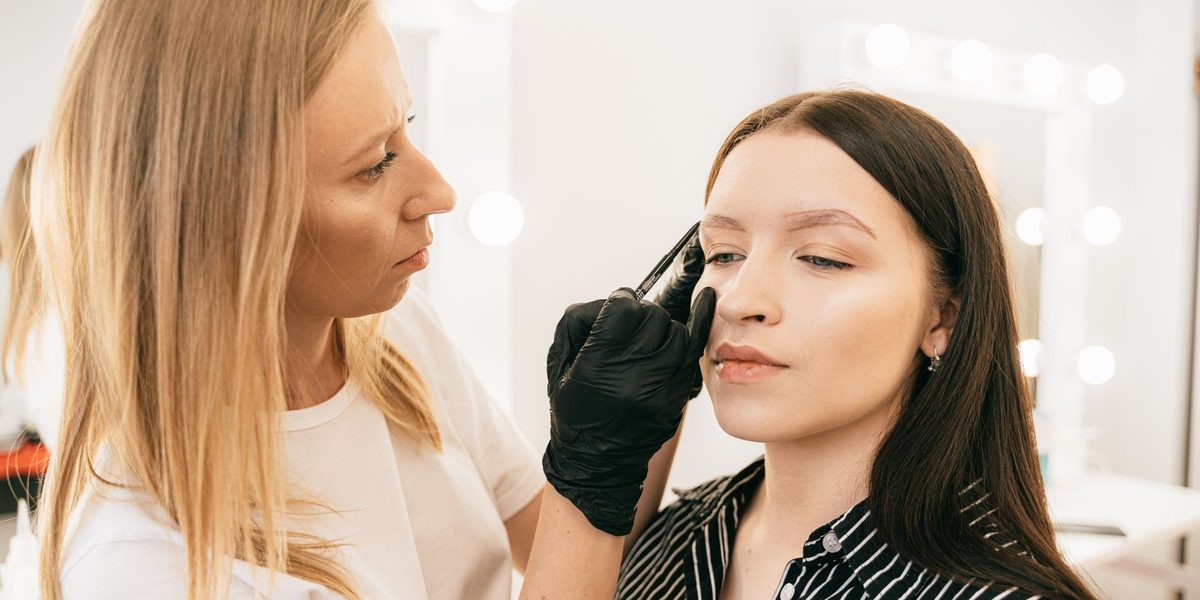
Good makeup technique beats heavy coverage here. For shadow-type circles, a lightweight concealer a touch lighter than your skin, applied only to the dark groove rather than the whole under-eye, lifts the hollow without caking. For brown or blue discoloration, a thin layer of color corrector, peach or orange depending on your skin depth, neutralizes the tint before concealer goes on top. Set with the lightest dusting of powder only where you crease, because heavy powder settles into fine lines and makes the area look drier and older.
On puffy days, skip shimmer and brightening pigments on the bag itself, since light-reflecting product makes a raised area more noticeable. Keep the puffy area in neutral matte tones and place any brightness just below it instead.
Gentle Application: How You Touch the Area Matters
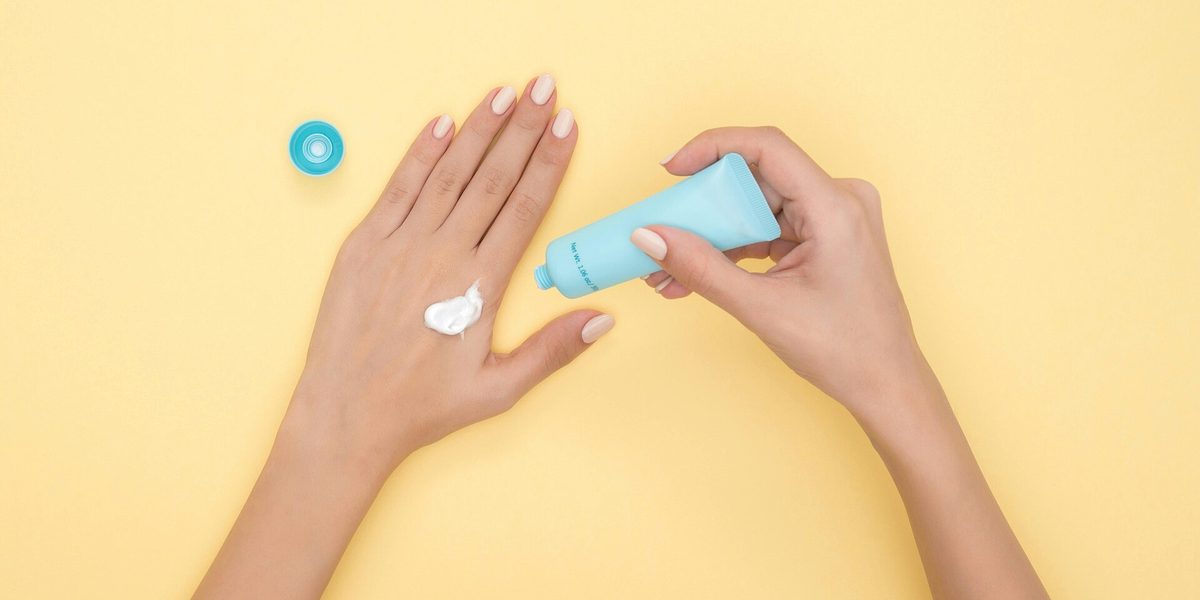
Because under-eye skin is so thin, the way you apply products can matter nearly as much as what you apply. Use your ring finger, which naturally delivers the lightest pressure, and pat or press product into the skin rather than dragging it across. Work from the inner corner outward in small taps, and stop short of the lash line, since products migrate on their own and formulas that creep into the eye cause watering and puffiness, the very thing you are trying to fix. A rice-grain amount is genuinely enough for both eyes; piling on more just increases the odds of irritation and milia, the tiny white bumps that love over-moisturized under-eyes.
Makeup removal deserves the same care. Nightly scrubbing at stubborn mascara stretches and inflames the area, and chronic rubbing is one of the most common, least suspected contributors to long-term darkness. Hold a remover-soaked pad against the closed eye for twenty seconds so the formula dissolves the makeup, then wipe once, gently, downward. If you use a cooling roller, chilled spoons, or massage tools for drainage, keep strokes featherlight and always move outward toward the temple; pressure does not improve the result, it only stresses the skin. These small mechanical habits cost nothing and compound meaningfully over years.
Final Thoughts
Under-eye circles and puffiness are rarely a single problem with a single cure. They are a mix of genetics, anatomy, fluid, pigment, and habits, which means the honest fix is a combination: smarter sleep and salt habits, daily sun protection, a few proven ingredients used consistently, cold tools for emergencies, and strategic concealer for everything else. Aim for improvement rather than erasure, and remember that nearly every face on earth carries some shadow under the eyes. Yours is allowed to as well.