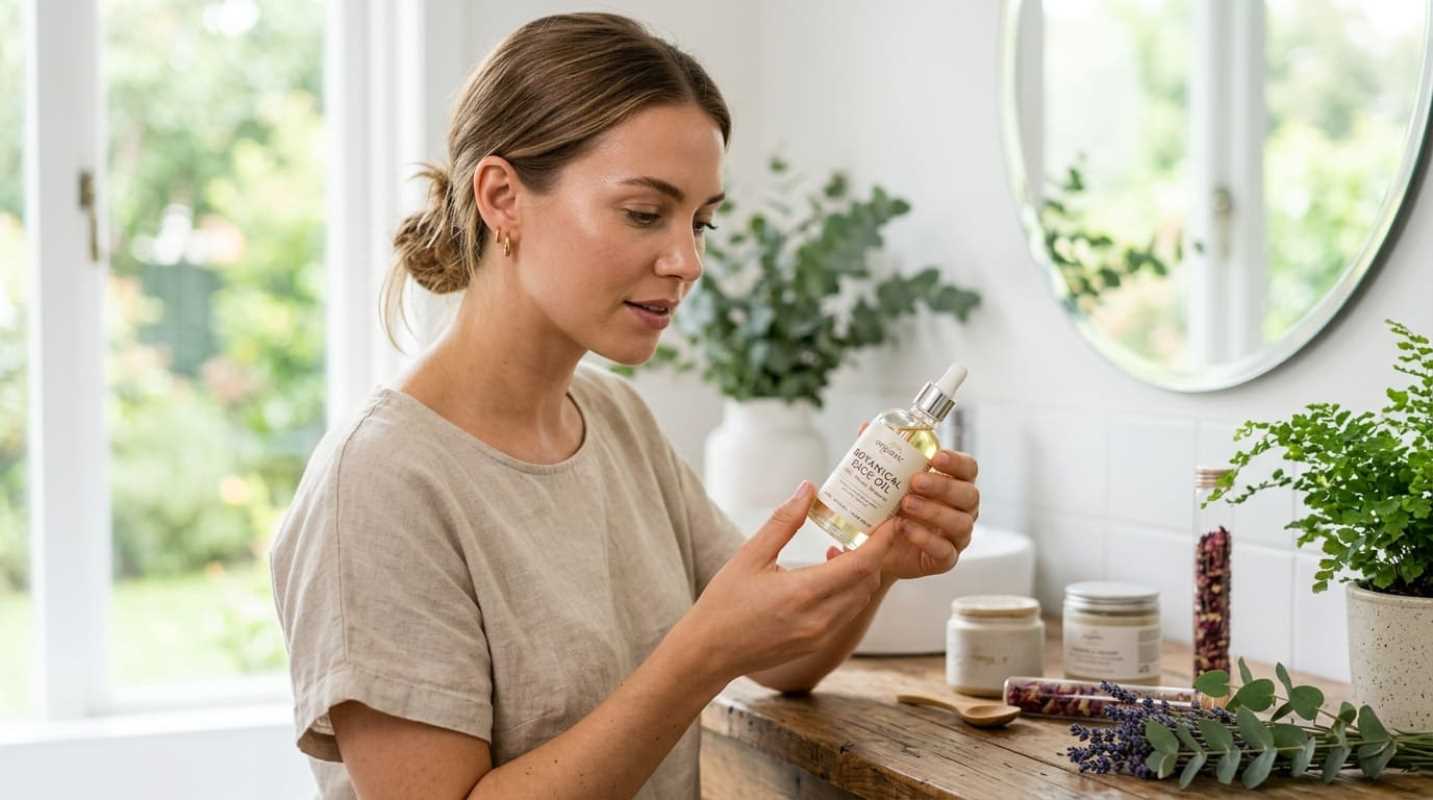
Have you ever stood in the personal care aisle, holding a moisturizer covered in lush green leaf icons and bold promises of being "pure," "chemical-free," and "clean"? Did you wonder what those words actually meant? You are far from alone. For over a decade, shopping for skincare felt like navigating a maze of aesthetic pastel packaging and vague health claims designed to make you panic about your everyday vanity routine.
Let's cut through the noise. What does clean beauty actually mean today? The answer used to be a chaotic blend of fear-based marketing and unproven promises, but the beauty industry underwent a massive structural shift recently. This guide is here to untangle the jargon, unpack recent safety laws, and give you the real story so you can shop with genuine confidence.
The Wild West of Labeling: Marketing Claims vs Regulation
For years, "clean beauty" was an unregulated free-for-all. Beauty brands could slap the word "clean" across a label without answering to any government agency. It was an idea driven mostly by retailer exclusion lists, where companies bragged about what they left out rather than proving that what remained inside the bottle was safe and effective.
That unregulated era is finally coming to an end. Regulatory bodies across the globe stepped in to replace marketing hype with hard science. In the United States, the Food and Drug Administration established full operational enforcement of the Modernization of Cosmetics Regulation Act (MoCRA).¹ Under these federal standards, companies must register their manufacturing facilities, list every product ingredient, and hold documented scientific proof that their formulations are safe for normal use.
State legislatures moved even faster to protect consumers. California and Washington state enacted strict legislation banning intentionally added per- and polyfluoroalkyl substances (PFAS), lead, formaldehyde releasers, and dozens of other controversial compounds from personal care products. Over in Europe, regulatory standards raised the bar even higher. The EU Greenwashing Directive banned generic claims like "clean," "eco-friendly," or "natural" unless companies can back them up with verified third-party data.²
Legal battles also helped define the boundaries of marketing terminology. A notable federal class-action lawsuit, Finster v. Sephora USA, Inc., was dismissed after the court ruled that Sephora was transparent about its "Clean at Sephora" seal.³ The court noted that Sephora explicitly defined "clean" as products formulated without a specific list of excluded ingredients, rather than promising products were entirely "all-natural" or free from all synthetic substances.
This legal ruling highlights an important reality: natural does not automatically mean safe, and synthetic does not automatically mean toxic. Poison ivy and arsenic are completely natural, but you would never apply them to your skin. On the flip side, many lab-created synthetic ingredients are gentle, stable, and safe, while sparing precious natural resources from over-harvesting.
Demystifying Ingredient Transparency
True transparency goes far beyond printing a confusing list of chemical names on the back of a box in unreadably tiny print. Authentic ingredient transparency means helping you understand why an ingredient exists in a formula, where it comes from, and how its safety was confirmed.
Now that safety substantiation is legally required, brands are shifting away from fear-based marketing lists. Saying a product is "free from chemical toxins" is inaccurate, since literally everything on Earth is made of chemicals, but it also distracts from actual product performance. The new standard focuses on science-backed clarity.
Forward-thinking brands are now offering complete breakdowns of their fragrance formulas. Fragrances historically served as a legal loophole where hundreds of undisclosed components could hide under the single word "parfum." Today, stricter regulations mandate explicit labeling for dozens of potential fragrance allergens. Brands that value transparency willingly share these details, explain their sourcing ethics, and post clinical trial results right on their websites.
When a beauty company respects your intelligence, they give you access to clear information. They skip the dramatic health warnings and explain the function of each preservative, emulsifier, and active ingredient in plain language.
Your Toolkit for Evaluating Product Safety
Evaluating personal care items does not require a degree in organic chemistry. You can easily evaluate product safety on your own once you know what to look for.
Here are practical ways to cut through marketing buzzwords and evaluate what you are buying:
• Look for third-party certifications: Ignore self-made brand seals that look official but carry no real weight. Look for recognized, independent certifications like EWG Verified, COSMOS Organic, or Leaping Bunny, which mandate strict third-party ingredient audits.
• Check ingredient databases: Use independent tools like the Environmental Working Group (EWG) Skin Deep database to research specific ingredients and understand their safety profiles.
• Demand fragrance transparency: Look for products that disclose full fragrance breakdowns or explicitly state they use allergen-free scented options, rather than hiding behind generic ingredient terms.
• Prioritize safety testing over buzzwords: Look for products backed by documented safety substantiation and clinical testing under normal use conditions, rather than vague claims like "100% non-toxic."
• Focus on shelf life and preservatives: Do not be afraid of safe preservatives. Products without adequate preservation systems can quickly harbor dangerous bacteria and mold, posing a far greater risk to your health than a safe, lab-tested preservative.
Becoming a Conscious Consumer
At its core, navigating personal care is a personal journey rather than a rigid set of rules. There is no universal standard that fits every person, and you do not need to throw away everything in your bathroom to start fresh.
Focus on what aligns best with your individual skin needs and personal ethics. You might prioritize finding fragrance-free formulas for sensitive skin, supporting ethical supply chains, or choosing cruelty-free products. You get to decide what "clean" means for your routine.
The next time you evaluate a sleek bottle with promising marketing claims, look past the stylish design on the front. With modern safety regulations in place and solid tools at your fingertips, you can make clear, informed choices that truly benefit your skin and health.
Sources:
1. FDA MoCRA Regulations
https://www.fda.gov/cosmetics/cosmetics-laws-regulations/modernization-cosmetics-regulation-act-2022-mocra
2. EU Greenwashing Regulation
https://cosmeservice.com/news/eu-greenwashing-regulation-2026/
3. Class Action Challenges to Natural Claims
https://www.klgates.com/thought-leadership/Litigation-Minute-Class-Action-Challenges-to-Natural-and-Clean-Beauty-Product-Claims-4-2-2024
*This article on legitlevel is for informational and educational purposes only. Readers are encouraged to consult qualified professionals and verify details with official sources before making decisions. This content does not constitute professional advice.*