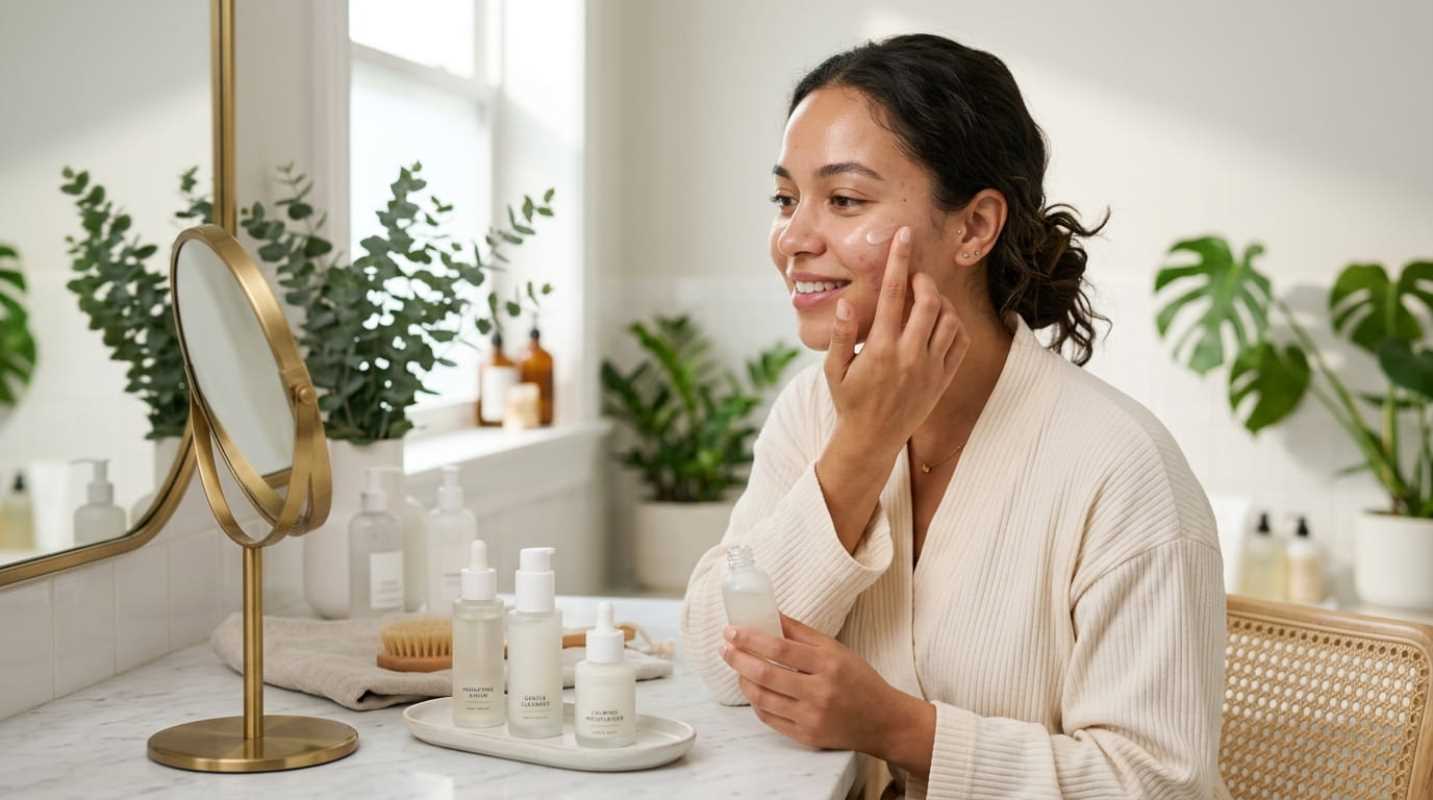
Ever feel like your skin is constantly fighting against you? You apply a spot treatment to clear up a surprise breakout, and by the next morning, your face is bright red, peeling, and somehow producing more pimples. Have you been there? It is an exhausting cycle that leaves many people feeling stuck between dealing with chronic breakouts or dealing with raw, burning skin.
Managing breakouts when your skin flushes at the slightest touch is one of the most frustrating experiences in personal care. Over 50 million Americans deal with acne every year, and up to 90% of people globally report having sensitive skin. When you combine the two conditions, standard skincare advice often backfires completely.
The core issue usually traces back to a compromised skin barrier. Your barrier is the outermost layer of your skin, designed to keep needed hydration in and environmental irritants out. Research shows that acne-prone skin naturally lacks sufficient ceramides, which are the lipids needed to hold that protective barrier together.¹ When your barrier breaks down, water escapes, irritation skyrockets, and persistent inflammation follows.
Clear skin does not require aggressive scrubbing or chemical warfare. You can get your breakouts under control while keeping your skin calm, comfortable, and healthy.
The Red Flag List and Ingredients to Avoid
When you are prone to both breakouts and reactivity, throwing strong products at your face almost always makes things worse. High-strength active ingredients often strip away protective oils and damage your skin barrier, which paradoxically triggers even more oil production and deeper breakouts.
Like, studies show that using harsh 10% benzoyl peroxide formulas can increase water loss through the skin by almost double, leading to severe localized burning and contact dermatitis.²
Here are the major culprits you should keep off your bathroom shelf:
• Denatured Alcohol: Often listed as alcohol denat or SD alcohol in toners, this ingredient strips moisture instantly and damages your lipid layer over time.
• Synthetic Fragrances and Essential Oils: Essential oils like lavender, eucalyptus, or citrus might sound natural, but they are notorious for triggering contact allergies and inflammatory flare-ups.
• Abrasive Physical Scrubs: Facial scrubs containing crushed walnut shells, sugar, or sharp particles create microscopic tears in reactive skin, spreading acne bacteria across your face.
• High-Concentration Acid Peels: Strong glycolic or salicylic acid leave-on treatments above 2% can easily dissolve your healthy skin barrier alongside dead skin cells.
Always check product labels carefully. Look out for hidden comedogenic ingredients or heavy waxes like isopropyl myristate that can clog pores without offering genuine hydration.
Gentle Routine Building and Less is More
If your skin currently feels tight, raw, or constantly inflamed, it is time to hit the reset button. Updated clinical guidelines from the American Academy of Dermatology emphasize a barrier-first approach.³ Instead of using four different acne products every morning, focus on a stripped-back, consistent foundation.
A basic, safe routine requires only three core steps:
1. A Hydrating Cleanser: Choose a non-foaming or low-foaming wash with a balanced pH around 5.5 that cleanses without leaving your skin feeling squeaky clean or tight.
2. A Barrier Moisturizer: Pick a lightweight, fragrance-free cream packed with ceramides, hyaluronic acid, or glycerin to actively repair your lipid barrier.
3. A Mineral Sunscreen: Daily UV protection is non-negotiable. Physical sunscreens with zinc oxide are inherently soothing and defend sensitive skin from sun damage without clogging pores.
Consistency beats intensity every single time. Introduce only one new product at a time, waiting at least two weeks before adding another. This simple tactic gives you time to monitor how your skin reacts and isolates the culprit if a breakout occurs.
Balancing Treatment with Irritation Risk
Once your basic routine is established and your skin feels calm, you can start introducing gentle active treatments. So what does this actually mean in practice? You do not need the strongest prescription on the market to see real progress.
Consider multi-tasking ingredients that target acne without triggering severe inflammation:
• Azelaic Acid: Available in 10% formulas over the counter, this multitasking ingredient kills acne bacteria, calms redness, and fades post-acne dark marks with minimal risk of irritation.
• Low-Dose Adapalene: A modern retinoid (0.1%) that specifically targets clogged pores while causing far less peeling than traditional tretinoin.
• Polyhydroxy Acids (PHAs): These large-molecule chemical exfoliants remove dead skin cells on the surface without penetrating deeply enough to sting sensitive skin.
To protect your barrier while using active treatments, try the sandwich method. Apply a thin layer of moisturizer first, wait ten minutes, apply a pea-sized amount of your active treatment, and then seal it in with a second layer of moisturizer. This simple technique buffers the active ingredient, slowing down its absorption so you get the acne-clearing benefits without the peeling and redness.
Pay close attention to what your skin tells you. If your face stings when applying a basic moisturizer, pause all active treatments immediately for a few days and focus strictly on barrier repair.
Patience and Long-Term Skin Health
Managing acne-prone, sensitive skin requires shifting away from the mindset of attacking your face with harsh treatments. When you focus on restoring and protecting your skin barrier, your skin becomes far better equipped to heal breakouts naturally. Think of it like repairing the walls of a house before trying to redecorate inside.
Healing takes time. Skin cells take roughly 28 days to turn over, meaning you likely will not see dramatic changes overnight. Give any gentle routine at least six to eight weeks before deciding whether it works for you.
If your acne remains persistent, red, or painful despite a gentle approach, schedule a visit with a board-certified dermatologist. They can offer prescription options like gentle azelaic acid gels or customized topicals tailored to your unique skin profile.
Be kind to your skin along the way. With a minimalist approach, smart ingredient choices, and a little patience, achieving a calm, clear complexion is completely within reach.
Sources:
1. Kansas City University Research
https://digitalcommons.kansascity.edu/cgi/viewcontent.cgi?article=2017&context=studentpub
2. CeraVe Skin Smarts
https://www.cerave.com/skin-smarts/skin-concerns/acne/benzoyl-peroxide-derm-recommended-best-acne-ingredients
3. American Academy of Dermatology
https://www.aad.org/news/updated-guidelines-acne-management
*This article on legitlevel is for informational and educational purposes only. Readers are encouraged to consult qualified professionals and verify details with official sources before making decisions. This content does not constitute professional advice.*