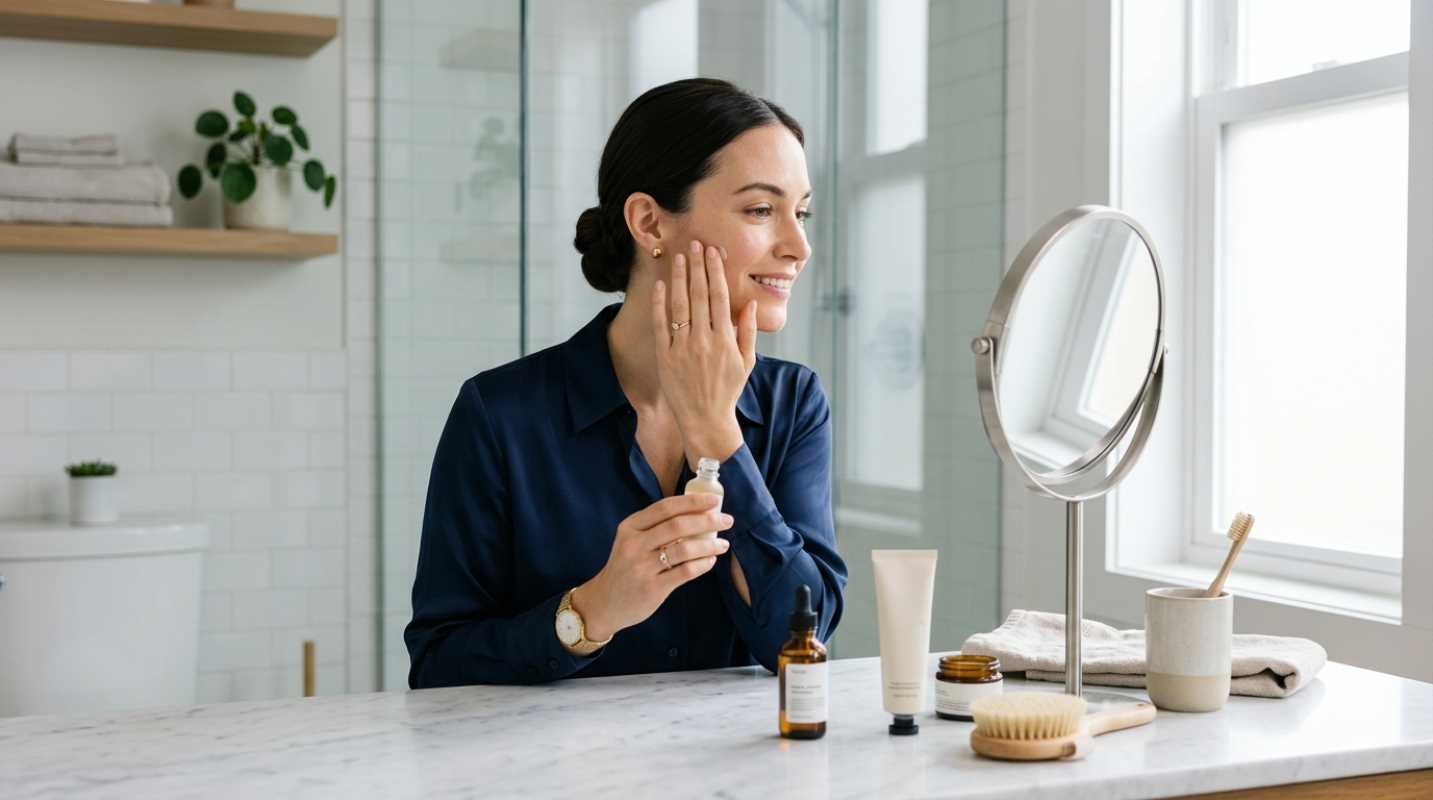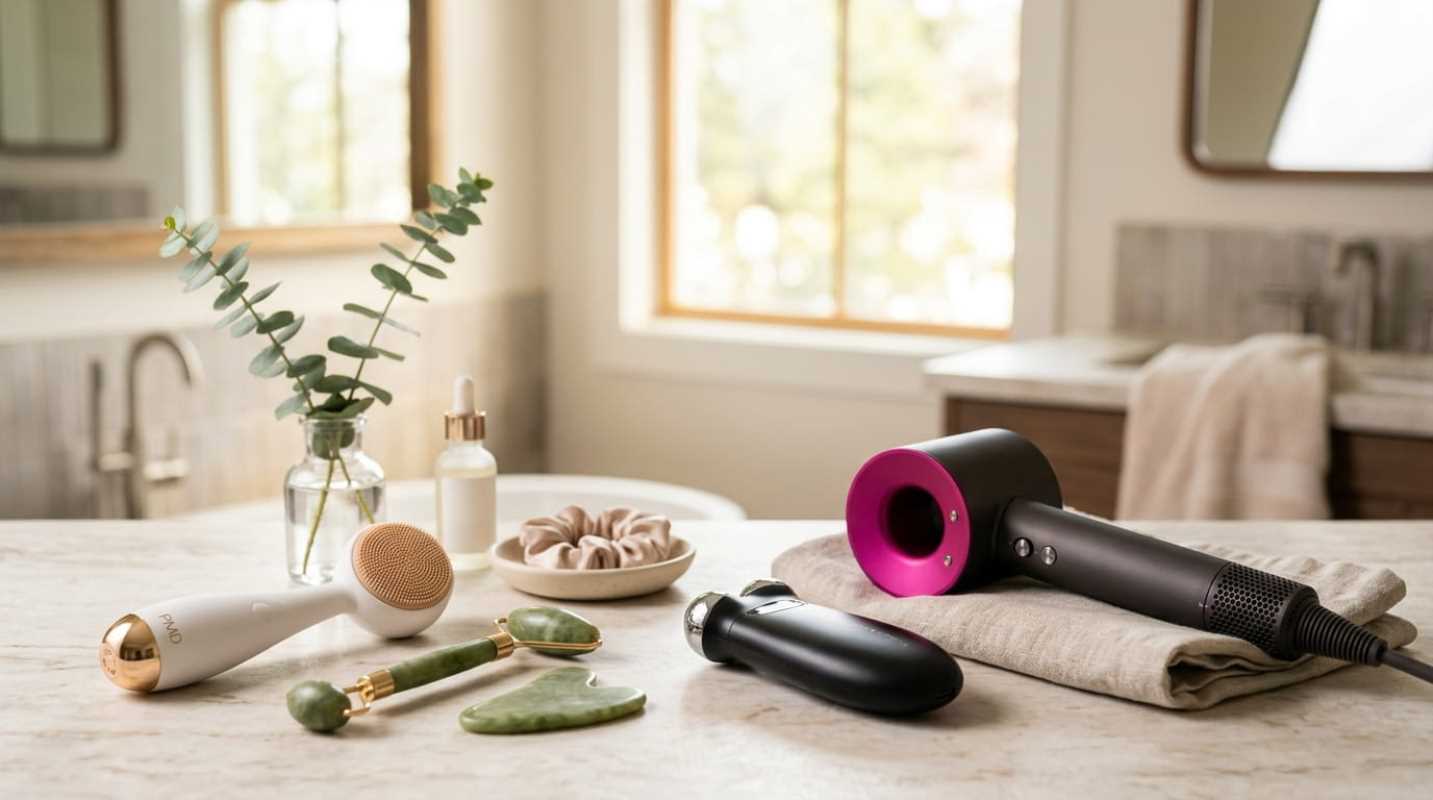
Have you scrolled through social media lately and felt like every single creator is trying to sell you a glowing plastic face mask or a buzzing wand? You aren't alone. The beauty technology space is completely flooded right now. Every week brings another shiny gadget promising to erase your wrinkles, lift your jawline, or banish acne overnight.
It makes you wonder: does any of this stuff actually work, or is it all just clever marketing?
The truth is, plenty of gadgets cluttering store shelves aren't worth a dime of your hard-earned money. But a select few categories are backed by real science and clinical testing. If you want a skin transformation without wasting hundreds of dollars, you have to separate social media hype from legitimate science. Let's look at which tools actually deliver visible results and which ones you should skip entirely.
The Science of Skincare Tech: What Really Works
Before you add a two-hundred-dollar gadget to your cart, you need to understand what at-home skin tech can and cannot do. Social media virality doesn't equal clinical testing.
Dermatologists constantly emphasize one main point: at-home beauty tools are supportive maintenance devices, not direct replacements for in-office medical procedures. To keep you safe in your own bathroom, manufacturers cap these devices at much lower energy levels than professional clinic equipment. That means you won't get the instant dramatic shift of Botox or a professional medical laser. Instead, home devices offer gradual, subtle progress over time.
You also need to choose the right technology for your specific skin goal rather than expecting one magical wand to fix everything.
• LED light therapy works best for soothing stubborn acne, calming redness, and triggering fresh collagen production over time.
• Microcurrent tools target facial muscles directly to depuff your skin and offer a temporarily lifted look.
• Radiofrequency (RF) devices heat up the deeper layers of your skin to tighten mild skin laxity.
• Intense Pulsed Light (IPL) targets melanin in hair follicles to reduce unwanted body hair.
The Non-Negotiable Tools That Actually Deliver Results
If you want to spend your money wisely, a few specific device categories have the clinical track record to back up their price tags.
First up are FDA-cleared LED masks. Photobiomodulation, which is the scientific term for light therapy, is well validated in cosmetic dermatology. Red light (around 630 to 660 nanometers) and near-infrared light (830 to 850 nanometers) penetrate into tissue to boost cellular energy, which stimulates fresh collagen synthesis.¹ Blue light (around 415 nanometers) targets and kills acne-causing bacteria on the surface. High-performing masks like the Omnilux Contour Face, CurrentBody Skin Series 2, or the Dr. Dennis Gross SpectraLite FaceWare Pro use these proven wavelengths at safe, therapeutic outputs.
Second, consider microcurrent and nanocurrent tools. Devices like the NuFace Trinity+ or ZIIP HALO send tiny electrical currents through your skin into the underlying facial muscles. Think of it as a low-key gym workout for your face. It stimulates muscle tone and promotes immediate lymphatic drainage. That depuffs your cheeks and gives your jawline a subtle, temporary lift that works wonderfully for event prep or daily maintenance.
Third, at-home radiofrequency (RF) and diode lasers offer real options for firming up mild sagging. Devices like the EvenSkyn Lumo+ send controlled electromagnetic heat into the dermal layer (heating tissue safely to about 40 to 42 degrees Celsius). A 2025 review analyzing 15 clinical studies showed that at-home RF tools noticeably improved skin firmness and texture over 8 to 12 weeks of regular use.² Targeted laser tools like the NIRA Precision Laser also help smooth out fine lines around your eyes and mouth without causing downtime.
Finally, at-home IPL hair removal devices like the Braun Silk-Expert Pro 5 or Ulike Air 10 deliver solid results for dark hair on fair to medium skin tones. Clinical trials demonstrate that home IPL units can achieve up to a 72% sustained reduction in hair count after just three months of consistent use.³
Here is the kicker with all these tools: you have to pay the "consistency tax." If a gadget sits inside your bathroom drawer, it won't do anything. Most tools require 3 to 5 sessions a week for anywhere from 4 to 12 weeks before you see clinical improvements.
Mastering the Method: The Importance of Proper Tool Technique
Buying a great tool is only half the battle. If your application technique is sloppy, even the best device won't produce results, and you might even hurt your skin.
For microcurrent and radiofrequency devices, conductive gel is mandatory. Don't skip it, and don't try substituting plain water or standard oil. The conductive gel allows electrical currents and thermal heat to pass through your skin smoothly. Skipping it can lead to uncomfortable zaps, uneven heating, or surface skin irritation.
You also need to know which tools to avoid completely. Dermatologists strongly warn against several trendy at-home devices due to high safety risks.
• At-home microneedling rollers puncture your skin at an angle as they roll, creating micro-tears, introducing infection risks, and causing potential scarring.
• At-home RF microneedling presents severe burn risks and should never be attempted outside a medical clinic.
• Pore vacuums use harsh suction that breaks delicate capillaries and damages your skin barrier without stopping oil production.
• IPL on deep skin tones can cause severe post-inflammatory hyperpigmentation or burns if the device lacks smart skin-tone sensors.
Investment vs Impulse: Building Your Future-Proof Kit
How do you stop yourself from falling into gadget fatigue? It comes down to honest self-reflection about your daily habits.
Before you buy a new device, ask yourself a simple question: will you realistically sit in front of a mirror for 15 minutes, four nights a week, with conductive gel smeared on your face? If you know you lack the patience for a long routine, skip the purchase. A simple, consistent routine with a basic cleanser, moisturizer, and sunscreen will always beat an expensive beauty tool gathering dust.
When you are ready to build a reliable tech routine, follow this quick buyer checklist:
• Verify FDA clearance to make sure the device meets standard safety and thermal controls.
• Check specific wavelengths and power specs rather than buying cheap, rainbow-colored plastic masks with unverified outputs.
• Respect medical contraindications by avoiding microcurrent or RF over areas with recent Botox or dermal fillers, and skipping them entirely if you have a pacemaker or active acne breakouts.
By sticking to scientifically proven technology and holding yourself to a realistic routine, you can build a streamlined beauty kit that genuinely improves your skin for years to come.
Sources:
1. National Institutes of Health PubMed
https://pubmed.ncbi.nlm.nih.gov/40751922/
2. Mohs MD Dermatology Guide
https://mohs-md.com/a-dermatology-experts-guide-to-safe-at-home-led-masks-microcurrent-tools/
3. National Institutes of Health PubMed
https://pubmed.ncbi.nlm.nih.gov/40106027/
*This article on legitlevel is for informational and educational purposes only. Readers are encouraged to consult qualified professionals and verify details with official sources before making decisions. This content does not constitute professional advice.*