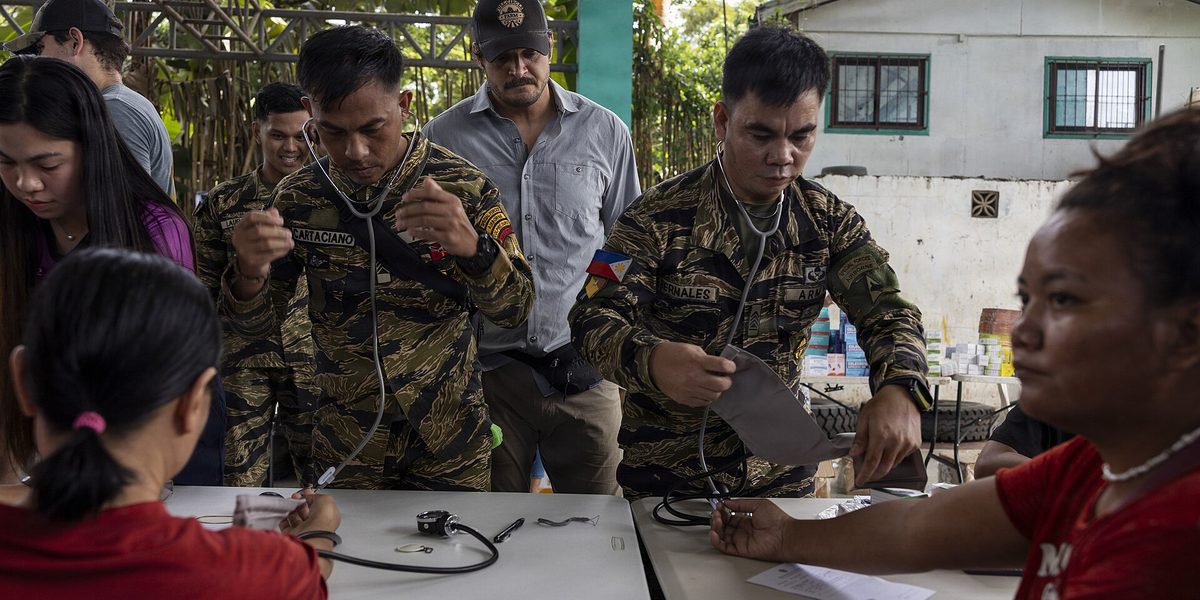
Preventive screenings are medicine's quiet success story. Instead of waiting for a disease to announce itself with symptoms, screenings look for trouble early, when it is most treatable and often silent. Yet many people have only a vague sense of which checks matter at which stage of life, and busy decades slip by between appointments. What follows is a general tour of the screenings commonly discussed at each age, meant as a conversation starter rather than a prescription. Recommendations vary by individual history, family background, and local guidelines, so your own schedule should always be built with a qualified health professional.
Your Twenties: Building the Baseline
The twenties feel invincible, which is exactly why they are the right time to establish baselines. A periodic general checkup typically includes blood pressure measurement, a conversation about weight, activity, mood, tobacco, and alcohol, and often a baseline cholesterol test so future readings have something to be compared against. Dental cleanings and eye exams belong on the calendar too, along with keeping routine immunizations up to date.
For many women, this decade is when regular cervical screening begins, on a schedule a clinician will outline. Sexually active adults of any gender benefit from honest conversations about screening for sexually transmitted infections. Skin awareness starts now as well: knowing your moles and mentioning changes early is a lifelong habit best formed young. Perhaps the most valuable screening of the decade is simply finding a primary care provider you trust, so that future questions have somewhere to go.
Your Thirties: Watching the Trends
In the thirties, the focus shifts from establishing baselines to watching how your numbers move. Blood pressure and cholesterol checks continue at intervals your provider recommends, and this is often the decade when blood sugar testing enters the conversation, particularly for people carrying extra weight, with a family history of diabetes, or who experienced blood sugar issues during pregnancy. Cervical screening continues on schedule for women, and anyone planning a family may discuss additional preconception checks.
Family history becomes a bigger character in this decade's story. If close relatives developed heart disease, diabetes, or certain cancers at young ages, your provider may suggest starting some screenings earlier than standard timelines. The thirties are also a sensible time to take mental health seriously as a screening matter; many providers now routinely ask about mood, stress, and sleep, and raising these topics yourself is equally legitimate. Thyroid checks sometimes join the list when symptoms such as persistent fatigue or unexplained weight changes appear, and skin, dental, and eye care all continue quietly in the background on their own schedules.
Your Forties: The Decade Screenings Get Serious
The forties are when several landmark screenings traditionally begin, and keeping up with them is one of the most practical health investments you can make.
- Breast screening: many guidelines discuss beginning regular mammograms during this decade, with exact timing and frequency decided with a clinician based on personal and family risk.
- Colorectal screening: screening for colon and rectal cancer now commonly starts in the mid-forties for people at average risk, using options that range from stool-based tests to colonoscopy.
- Blood sugar: regular screening for elevated glucose becomes standard for most adults in this decade.
- Eye health: near vision often changes in the forties, and a comprehensive eye exam can also catch early glaucoma and other silent conditions.
- Heart risk review: providers often step back and assess overall cardiovascular risk, combining blood pressure, cholesterol, lifestyle, and family history into a bigger picture.
None of these tests is one-size-fits-all; risk factors move start dates earlier and change frequencies, which is why the decade should open with a thorough conversation rather than a checklist.
Your Fifties: Staying on Schedule
By the fifties, most of the major screening programs are underway, and the challenge becomes consistency. Colorectal screening continues on its recommended cycle, mammograms continue for women, and cervical screening proceeds on the schedule a clinician advises. Men often begin conversations about prostate screening in this decade, a nuanced, personal decision about benefits and tradeoffs best made with a professional rather than assumed either way.
This is also a decade for broader vigilance. Skin checks become more valuable as decades of sun exposure accumulate. Hearing tests enter the picture for many people. Bone health starts getting attention, particularly for women approaching or past menopause, and providers may assess fracture risk factors even before formal bone density testing begins. People with a significant smoking history may be offered specialized lung screening and should ask about it directly. Vaccination reviews, including shingles protection, typically happen in this decade as well.
Your Sixties and Beyond: Protecting Independence
From the sixties onward, screening priorities expand beyond detecting disease to preserving function and independence. Bone density testing becomes routine for women around the mid-sixties and for men with risk factors, because catching thinning bones before a fracture changes everything about later decades. Abdominal checks may be discussed for some older adults with smoking histories. Hearing and vision assessments grow more important, not only for quality of life but because both affect balance, driving safety, and cognitive engagement.
Providers also begin paying attention to fall risk, reviewing balance, strength, home hazards, and the combined effects of any medications. Memory and mood deserve open discussion, since early conversations about cognitive changes lead to better planning and care. Established screenings such as colorectal and breast checks continue until a clinician advises that stopping makes sense, a decision based on overall health rather than age alone. The guiding question of this era shifts from "what disease might be hiding" to "what will keep this person thriving," and screenings serve that larger goal.
Making Screenings Actually Happen
Knowing the schedule is easy; following it through busy decades is the hard part. A few habits help. Anchor checkups to something memorable, such as your birthday month, so the annual question becomes automatic. Keep a simple record, on paper or in your phone, of what was done and when, because providers change and records scatter. Before each appointment, write down your family health history updates and any changes you have noticed; screenings work best when paired with your observations.
Cost and access concerns stop many people, so it is worth knowing that preventive services are often covered differently than sick visits, and community health programs frequently offer low-cost options. Finally, treat the results conversation as part of the screening itself. A test that is never explained, or a borderline result that is never followed up, delivers only half its value. Ask what your numbers mean, what happens next, and when the test should be repeated. If something about a recommendation is unclear, or you are unsure whether a particular screening applies to you, say so directly; providers would far rather field an extra question than discover years later that a test was skipped out of confusion. A screening schedule only protects you when both sides of the conversation understand it, and you are an equal partner in that exchange.
Final Thoughts
Preventive screenings are a long game played in short appointments. Each decade brings its own priorities, from the baselines of your twenties to the independence-protecting checks of later life, but the thread connecting them is the same: find problems while they are small, silent, and fixable. Use this overview as a map, not a mandate, and build your personal schedule with a health professional who knows your history. Future you, decades down the road, will be glad the appointments were kept.