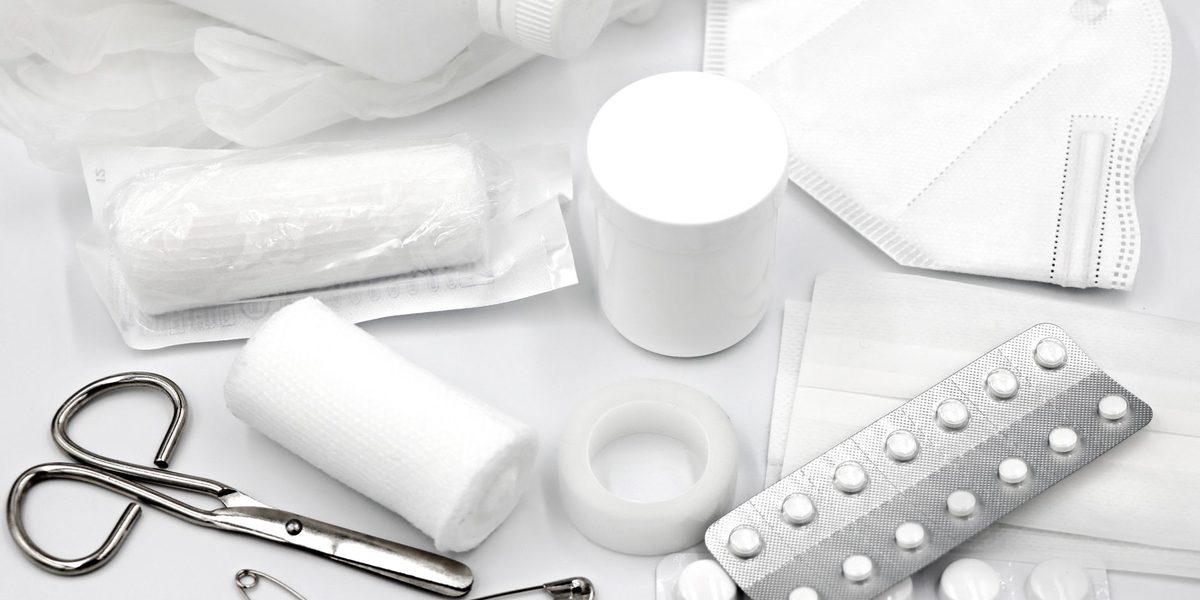
Most homes have the ghost of a first-aid kit: a drawer with three loose bandages, a roll of tape that has fused to itself, and an ointment of uncertain vintage. Then a knife slips in the kitchen or a child comes in off a bike, and everyone is suddenly rummaging. A good home kit is not about preparing for disaster movies; it is about handling the ordinary scrapes, burns, splinters, and sprains of household life quickly and calmly. Building one takes an hour and a shopping basket. Here is how to do it sensibly, what belongs inside, and just as importantly, what a kit cannot do.
Start With the Container and the Location
Before the contents, solve the findability problem. Choose one dedicated container: a clear plastic box with a latching lid, a roomy zippered pouch, or a small toolbox all work well. Clear or clearly labeled beats stylish, because the moment you need it is the moment you do not want to think. Keep it somewhere every adult in the house can name without hesitating, high enough to be out of a toddler's reach but not buried behind holiday decorations.
Avoid the bathroom cabinet as the main home, since heat and humidity shorten the life of supplies and medicines. A hallway closet shelf or a kitchen cupboard away from the stove is usually better. If your household spans multiple floors, a small satellite pouch of bandages and wipes upstairs saves a lot of dripping journeys. And tell everyone where it lives; a kit no one can find is a drawer of expensive confetti.
Wound Care: The Heart of the Kit
The overwhelming majority of home first-aid moments involve skin: cuts, scrapes, blisters, and minor burns. Stock this category generously.
- Adhesive bandages in several sizes, including small rounds for fingers and larger pads for knees and elbows
- Sterile gauze pads in a couple of sizes, plus a roll of gauze for wrapping
- Adhesive cloth tape that actually sticks
- Antiseptic wipes or solution for cleaning around wounds
- A small tube of antibiotic or wound ointment if your household uses one
- Non-stick dressing pads for burns and ooze-prone scrapes
- A few butterfly closures for holding the edges of a clean, minor cut together
- Blister pads or moleskin for walkers and new-shoe season
Add a pair of disposable gloves in a sealed bag. Treating someone else's bleeding cut with gloves on is basic hygiene for both of you, and gloves also keep dirty hands off a wound when soap and water are a room away.
Tools That Earn Their Place
A handful of simple instruments turn a bag of bandages into a kit. Fine-tipped tweezers are the workhorse, pulling splinters, thorns, and ticks. Small scissors with blunt tips cut tape, gauze, and clothing edges safely. A digital thermometer answers the eternal question of whether someone is actually feverish. An instant cold pack, the kind you squeeze to activate, handles bumps and sprains when the freezer is far away, though a proper reusable cold pack in the freezer is a worthy companion.
Round out the tools with an elastic wrap bandage for supporting a twisted ankle or wrist, a few safety pins, and a small flashlight or headlamp, because splinters and ticks have a talent for arriving at night. A card listing emergency numbers, your address, and any family allergies belongs in the lid; in a flustered moment, even your own street number can go missing.
Medicines: Keep It Simple and Legal to Your Household
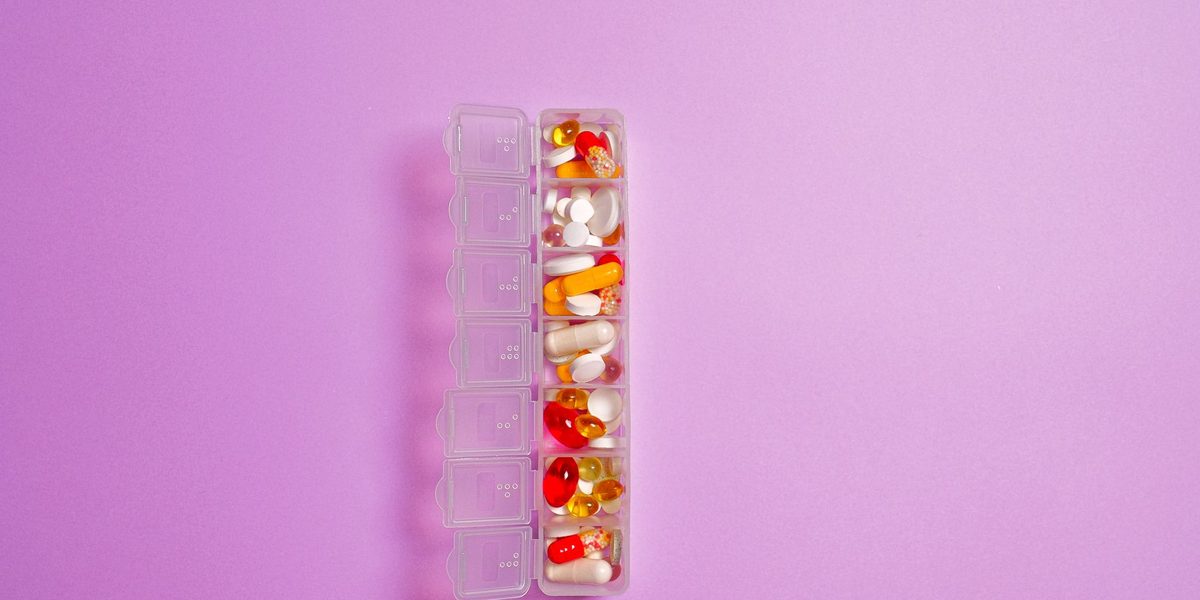
A home kit usually includes a small selection of over-the-counter remedies, chosen for your household's actual needs. Common categories include pain and fever relievers, antihistamines for allergic reactions and insect bites, oral rehydration salts for stomach bugs, an anti-itch cream, and any personal essentials such as a spare inhaler or allergy auto-injector if a clinician has prescribed one. The right choices depend on ages, health conditions, and other medications in the house, so it is genuinely worth asking a pharmacist to sanity-check your shortlist; they do this all day and the advice is free.
Store medicines in their original packaging so the instructions, strength, and expiry dates stay attached. If children live in or visit your home, child-resistant caps and an out-of-reach location are non-negotiable. Keep doses for children strictly to what the label or a professional specifies, and never guess by scaling down adult amounts.
Maintenance: The Part Everyone Skips
A kit decays quietly. Adhesives dry out, ointments expire, and the bandage supply dwindles each time someone raids it without restocking. Put a recurring note in your calendar twice a year, perhaps when the clocks change, to spend ten minutes auditing the box. Replace anything expired, refill anything low, and reconsider the contents as life changes: a new baby, a new sport, or a family member with a new medical condition each shift what the kit should hold.
The other half of maintenance is knowledge. Supplies are only as useful as the hands holding them, and a basic first-aid course from a recognized organization teaches skills no shopping list can: how to clean and dress a wound properly, what to do for burns, choking, and sprains, and how to recognize when a situation is beyond home care. Many courses take a single day, and parents, grandparents, and anyone who hosts children especially will never regret it.
Once the home kit exists, cloning it is cheap. A slim pouch in the car handles roadside scrapes and headaches on long drives, and a pocket version in a daypack or travel bag covers hikes and holidays. The satellite kits can be minimal: bandages, wipes, a few doses of pain relief, tweezers, and gloves. Check them on the same twice-yearly schedule as the main box, because heat in a parked car ages supplies even faster than a bathroom shelf does, and a melted, expired kit is worse than none because it breeds false confidence.
Know the Limits: When First Aid Is Not Enough
A good kit handles small problems and buys calm in bigger ones, but it is not a substitute for medical care. Call emergency services immediately for difficulty breathing, chest pain, heavy bleeding that does not slow with firm pressure, suspected broken bones with deformity, head injuries with confusion or vomiting, seizures, signs of a severe allergic reaction such as facial swelling or trouble swallowing, or any suspected poisoning. Keep your region's poison control number on that card in the lid and call before attempting any home remedy for an ingestion.
In between the trivial and the urgent sits a wide gray zone: cuts that may need closure, burns larger than a small patch or on the face and hands, bites that break the skin, and wounds that later grow redder, warmer, or more painful. When in doubt, contact a doctor, nurse line, or urgent care rather than improvising. First aid is the first response, not the final word, and recognizing that line is itself a first-aid skill.
Final Thoughts
A useful home first-aid kit is less a product than a small system: one findable container, generous wound care, a few honest tools, a modest shelf of medicines suited to your household, and a twice-yearly refresh. Add a basic course and a card of emergency numbers, and you have covered the vast majority of what home life throws at skin and ankles. Build it this week, before you need it, and the next kitchen mishap becomes a two-minute errand instead of a scavenger hunt.