Most of us know we should move more, and most of us picture that as a problem to be solved in one heroic block: the gym before work, the long run on the weekend. But the body keeps a different ledger. Hours of unbroken sitting take their own toll regardless of what you did at six in the morning, stiffening hips, slowing circulation, and leaving muscles idle for most of your waking hours. Enter the movement snack: a burst of activity lasting anywhere from thirty seconds to a few minutes, sprinkled through the day the way snacks are sprinkled between meals. It is one of the most realistic upgrades available to anyone with a desk job, and it needs no gear, no outfit change, and no extra hour in the schedule.
Why Little and Often Beats Rarely and Heroic
Long sitting puts the body into a kind of standby mode. The big muscles of the legs and hips, which are major engines of circulation and metabolism, go quiet. Breaking that stillness even briefly asks them to switch back on, and frequent switching matters. Regular short interruptions to sitting are widely encouraged by health organizations precisely because the pattern of movement across the day appears to matter alongside the total amount.
There is a practical psychology here too. A workout is easy to skip because it is big; a movement snack is hard to skip because it is tiny. Thirty seconds of squats requires no motivation speech. And because snacks are frequent, a bad morning does not sink the day. You simply catch the next one. Over a week, a dozen small bursts a day add up to a meaningful amount of activity that would never have survived as a single scheduled session.
The Starter Menu: Snacks Anyone Can Do
The best movement snack is the one you will actually do in the clothes you are already wearing. A simple menu to rotate through:
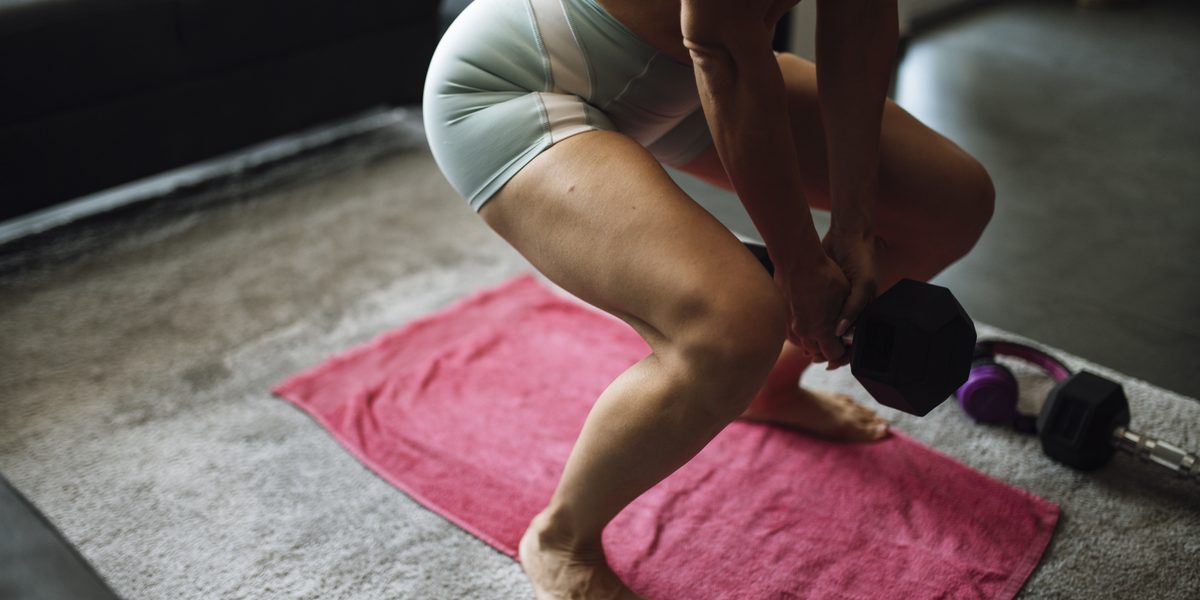
- Sit-to-stands: stand up from your chair and sit back down slowly, ten times. It is a squat in disguise and the single most office-friendly exercise there is.
- Stair bursts: one or two flights, up and down, at a purposeful pace.
- Desk push-ups: hands on the edge of a sturdy desk or counter, body in a line, ten to fifteen presses.
- Calf raises: rise onto your toes and lower with control, fifteen to twenty times, ideal while the kettle boils or a page loads.
- Brisk hallway laps: two minutes of fast walking, arms swinging, posture tall.
- Wall sit: back against a wall, knees bent, hold for twenty to forty seconds.
None of these should hurt. Work at an effort where you feel muscles waking up and breath quickening slightly, and leave the maximal efforts for actual workouts.
Undoing the Sitting Shape
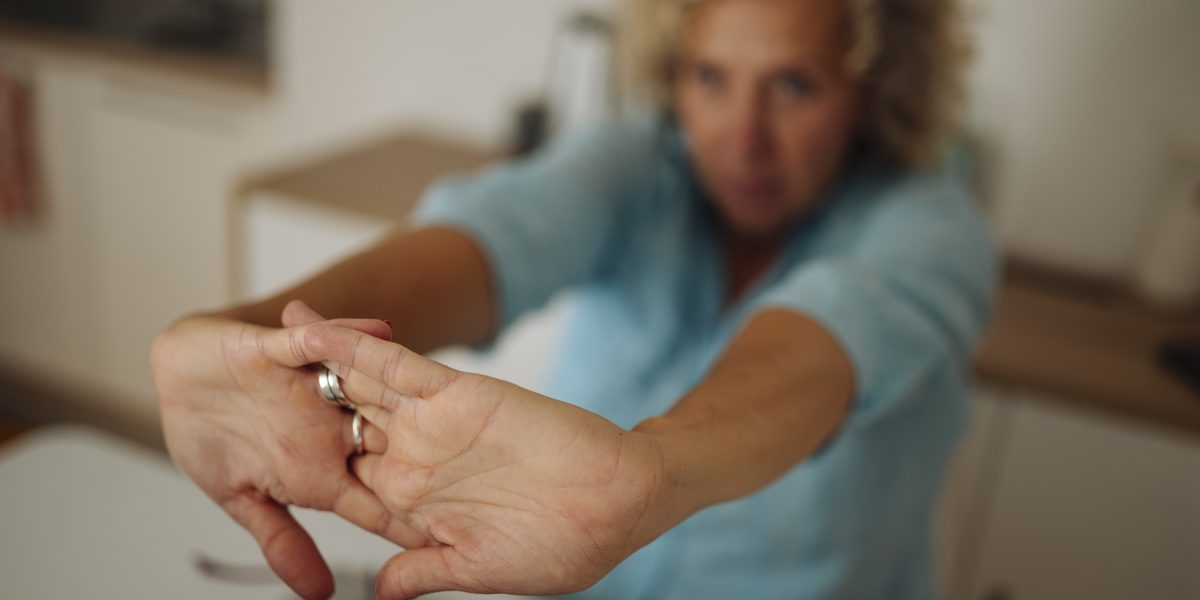
Sitting molds the body into a particular shape: hips bent, chest closed, head drifting forward. Some of the most valuable snacks are the ones that briefly reverse that shape. Stand up and reach both arms overhead, stretching tall for a few slow breaths. Step one foot back into a gentle lunge to open the front of the hip, then swap sides. Roll the shoulders back and down, squeeze the shoulder blades together, and let the chest open. Turn your head slowly side to side and ease the neck through its range.
A useful habit is pairing one strength snack with one unfolding snack. Ten sit-to-stands, then a tall overhead reach and a hip opener. The combination addresses both of sitting's costs at once: the idleness and the posture. Done a few times a day, many people notice less of the late-afternoon stiffness that used to follow them home.
Attach Snacks to Triggers You Already Have
The entire strategy lives or dies on remembering, and willpower is a poor reminder system. The fix is habit stacking: welding each snack to an event that already happens. Every time you finish a phone call, that is ten calf raises. Every time you refill your water, that is a stair flight. Waiting for a meeting to start, for code to compile, for the microwave: each is a built-in timer that currently pays out in phone-scrolling and could pay out in movement instead.
Choose two or three triggers, not ten, and keep the same pairings for a couple of weeks until they feel automatic. If your workplace uses calendar blocks, a recurring two-minute gap between meetings is a civilized place to hide a snack. People who anchor movement to existing routines keep the habit for months; people who rely on remembering tend to quit within days.
Movement Snacks Beyond the Office
Desk workers get the attention, but evenings on the couch are sitting too. Television built in natural intervals; use scene changes or episode breaks for a snack. Stand and stretch during the recap, do a wall sit during the opening credits, or keep a resistance band by the sofa for a round of pulls. Household life offers its own menu: carrying groceries in two trips instead of one strategic haul, squatting fully to reach low cupboards, or taking a brisk lap around the block after dinner.
Errands can be restructured the same way. Parking at the far end of the lot, taking stairs instead of the escalator, and walking to the farther coffee place are all movement snacks wearing everyday clothes. The principle is always the same: find the moments where your body was going to be idle and spend a little of them in motion.
What to Expect, and What Not To
Be honest about what movement snacks are. They are a powerful antidote to the stiffness, sluggishness, and circulation costs of prolonged sitting, and a genuine contribution to your weekly activity total. Many people report steadier energy, fewer aches, and better focus within a couple of weeks. What they are not is a complete fitness program. The heart, muscles, and bones still benefit from longer sessions of brisk activity and dedicated strength work across the week, and snacks are the bridge, not the destination.
Start where you are. If you currently take no breaks, one snack every hour is a real change. If you have joint problems, heart or circulation conditions, pain with activity, or any health concern that makes you hesitant, check in with a doctor or physical therapist about which movements suit you; nearly everyone can do some version of this, but the right version varies. And if any movement causes sharp pain, dizziness, or chest symptoms, stop and seek medical advice rather than pushing through.
If you like a little structure, keep a tally for the first two weeks: a sticky note on the monitor with a mark for each snack. Most people are surprised how quickly the marks accumulate once the triggers are set, and the visible count is its own motivator. After that, let the tally go; the point was never the score, only the habit. When the snacks feel easy, nudge them forward by adding repetitions, slowing the lowering phase of sit-to-stands, or taking the stairs two at a time, so the habit keeps gently challenging you as you adapt.
Final Thoughts
The sitting problem is not solved by feeling guilty about it at the gym; it is solved in the minutes between things, dozens of times a day, in ordinary clothes. Pick three snacks from the menu, weld them to triggers you already have, and let frequency do the work that intensity cannot. A body that moves briefly but often stays looser, warmer, and more awake than one that saves it all for later. The next time something loads, boils, or buffers, you have your opening.