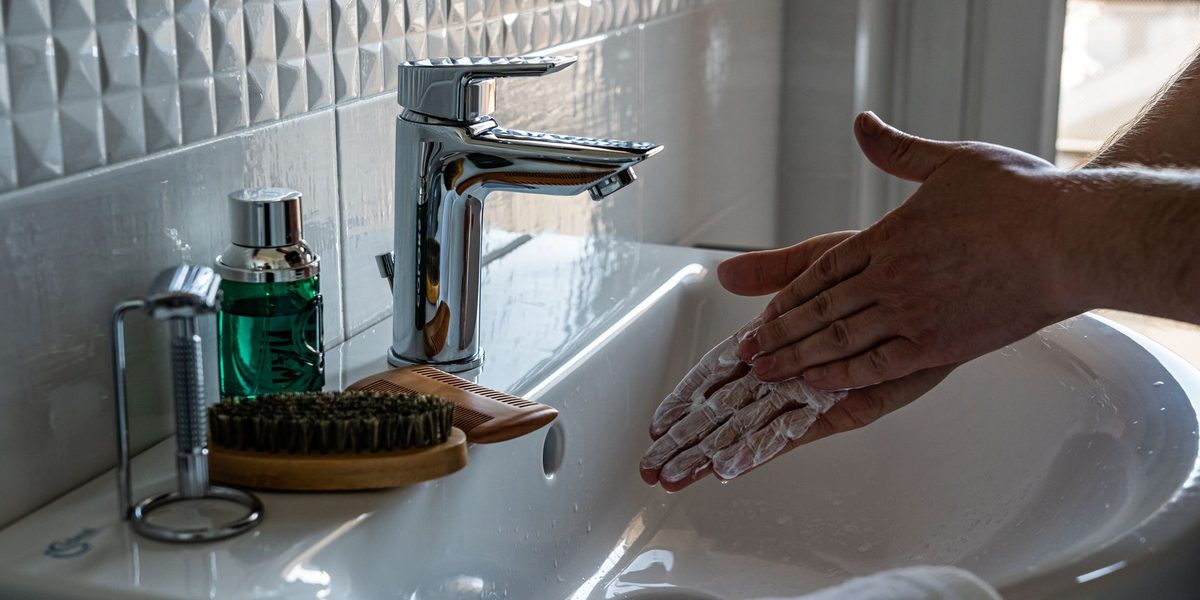
Somewhere along the way, skincare turned into a part-time job. Ten-step routines, shelves crowded with serums, and a new must-have ingredient every month have convinced many people that good skin requires a complicated ritual. The truth is far simpler. Most skin thrives on a short, consistent routine built around a few proven essentials. A minimal routine is not a compromise — it is often the smarter choice, because it is easier to stick with, gentler on your skin barrier, and much kinder to your budget. Here is how to build one that actually works.
Why Less Really Is More for Your Skin
Your skin has a protective outer layer called the moisture barrier, and its job is to keep hydration in and irritants out. Every product you apply interacts with that barrier. When you layer many actives, acids, and fragranced formulas on top of each other, you increase the odds of irritation, redness, and breakouts — and when something goes wrong, you have no idea which product caused it.
A minimal routine flips that equation. With only a handful of products, each one has a clear job, your skin gets a consistent environment, and any reaction is easy to trace. Dermatology advice has trended steadily in this direction: consistency with a few well-chosen basics beats novelty with a dozen trendy extras almost every time.
The Three Non-Negotiables
Strip skincare down to its foundation and three steps remain. These are the ones worth doing every single day.
- Cleanser: A gentle, non-stripping face wash removes oil, sunscreen, and the day's grime without leaving skin tight or squeaky. Once at night is essential; mornings can often be a simple rinse with water if your skin runs dry.
- Moisturizer: This supports the skin barrier and locks in hydration. Even oily skin benefits — a lightweight gel or lotion keeps oil production from overcompensating for dryness.
- Sunscreen: Broad-spectrum sun protection every morning is the single most effective anti-aging and skin-health step that exists. No serum can undo what daily unprotected sun exposure does.
If you did nothing else for the rest of your life, these three steps would keep most skin healthy, comfortable, and better protected than the vast majority of elaborate routines that skip sunscreen.
Choosing Products That Earn Their Spot
Minimalism only works if each product pulls its weight, so choose carefully. For a cleanser, look for words like gentle, hydrating, or non-stripping, and avoid formulas that leave your face feeling tight. Cream and gel cleansers suit most people; foaming versions work best for oilier skin.
For moisturizer, match the texture to your skin: gels and light lotions for oily or combination skin, richer creams for dry skin. Ingredients like glycerin, hyaluronic acid, and ceramides show up in effective moisturizers at every price point, so there is no need to spend a fortune. For sunscreen, the best formula is honestly the one you will wear daily — test a few textures until you find one that disappears into your skin without pilling or stinging your eyes.
Adding One Treatment — Only If You Want To
Once the core three feel automatic, you can add a single targeted treatment if you have a specific goal. The key word is single. Pick the concern that bothers you most and address it with one well-established ingredient rather than a cocktail of actives.
- For uneven tone and dullness: a vitamin C serum in the morning, under sunscreen.
- For fine lines and texture: a retinoid at night, started slowly — two or three nights a week at first.
- For breakouts: a salicylic acid product or a gentle exfoliating acid used a few times weekly.
- For redness and sensitivity: niacinamide, which plays nicely with nearly everything.
Introduce any new treatment on its own and give it several weeks before judging results. Skin cell turnover is slow, and most actives need a month or more of consistent use to show visible change. If irritation appears, scale back the frequency rather than abandoning it entirely.
Morning and Night, Mapped Out
Here is what a complete minimal routine looks like in practice. In the morning: rinse or gently cleanse, apply your optional treatment if it is a daytime one, moisturize, then finish with sunscreen. That is four steps at most, and it takes less time than brewing coffee.
At night: cleanse properly to remove sunscreen and buildup, apply your optional nighttime treatment, then moisturize. If you wear heavy makeup or long-wearing sunscreen, a quick first pass with a cleansing balm or micellar water before your regular cleanser helps everything come off without scrubbing. That is the entire routine — no toners, essences, or mists required unless you genuinely enjoy them.
The Habits That Multiply Your Results
Products are only half the story. A few free habits dramatically improve what any routine can do. Apply moisturizer to slightly damp skin, where it traps extra water. Use a soft touch — aggressive rubbing and hot water both aggravate the skin barrier. Wash pillowcases regularly, since they collect oil and product residue night after night.
Beyond the bathroom, the fundamentals matter more than any serum: consistent sleep, adequate water, a reasonably balanced diet, and managing stress all show up on your face over time. None of these replace skincare, but they amplify it. A minimal routine paired with good habits will outperform an elaborate routine layered over exhaustion and chronic dehydration.
When to Simplify Even Further — and When to See a Professional
If your skin is irritated, flaky, stinging, or breaking out more than usual, the answer is almost never another product. Strip back to cleanser, moisturizer, and sunscreen alone for a few weeks and let your barrier recover. This reset solves a surprising number of mystery skin problems that accumulate from overlapping actives.
On the other hand, some concerns deserve expert eyes. Persistent acne, sudden changes in moles or pigmentation, rashes that will not resolve, or anything painful should be evaluated by a dermatologist or qualified healthcare provider. A professional can prescribe treatments far more effective than anything sold over the counter, and catching skin issues early always beats treating them late. Minimalism means being selective, not avoiding help when you need it.
Decluttering the Collection You Already Have
Building a minimal routine usually starts with subtraction, and that means facing the drawer of half-used products most of us own. Go through everything and be honest. Anything that ever stung, burned, or broke you out goes first. Anything past its shelf life goes next — sunscreens and vitamin C serums degrade fastest, and a changed smell, color, or texture in any product is a clear sign it is done. Most opened skincare is best used within six to twelve months.
From what remains, keep one product per job: one cleanser, one moisturizer, one sunscreen, and at most one or two treatments that match your actual goals. Duplicates can be finished later or passed along if unopened. Resist the urge to keep ten backups out of guilt; a crowded shelf makes it harder to stay consistent with the few things that work. Going forward, adopt a simple rule — finish what you have before buying anything new, and only replace a product if it genuinely underperformed.
Final Thoughts
A great skincare routine is the one you actually do, every day, without dread. Three essentials — gentle cleanser, suitable moisturizer, daily sunscreen — form a foundation that serves nearly everyone, and one optional treatment covers most specific goals. Resist the pull of endless new launches, give each product time to work, and let consistency do the heavy lifting. Your skin, your mornings, and your wallet will all be better for it.