Road trips have a food problem. Hours of sitting, limited options at highway exits, and the boredom-snacking that creeps in around hour three can leave you bloated, sluggish, and queasy by the time you reach your destination. It does not have to go that way. With a cooler, a short shopping list, and a few simple habits, you can eat genuinely well on the road, keep the driver alert, and arrive feeling like yourself. Here is a practical playbook for eating well between here and there.
Plan Your Food Like You Plan Your Route
Most road trip eating goes wrong because it is left to chance, and chance at a highway exit usually means fried food and candy aisles. Spend ten minutes before departure deciding roughly when and where you will eat. If your drive spans lunch, decide in advance whether that meal comes from your cooler at a rest stop or from a sit-down option in a town along the way. Mapping even loosely planned meal stops removes the desperate, starving-at-a-gas-station decisions that sink good intentions.
Timing matters as much as location. Eating a huge meal and then sitting for four hours is a recipe for discomfort and drowsiness, so aim for moderate meals and small snacks spaced through the day instead. Many experienced road trippers eat their larger meal at the end of the driving day, when the body can finally move around and digest in peace.
Pack a Cooler That Works
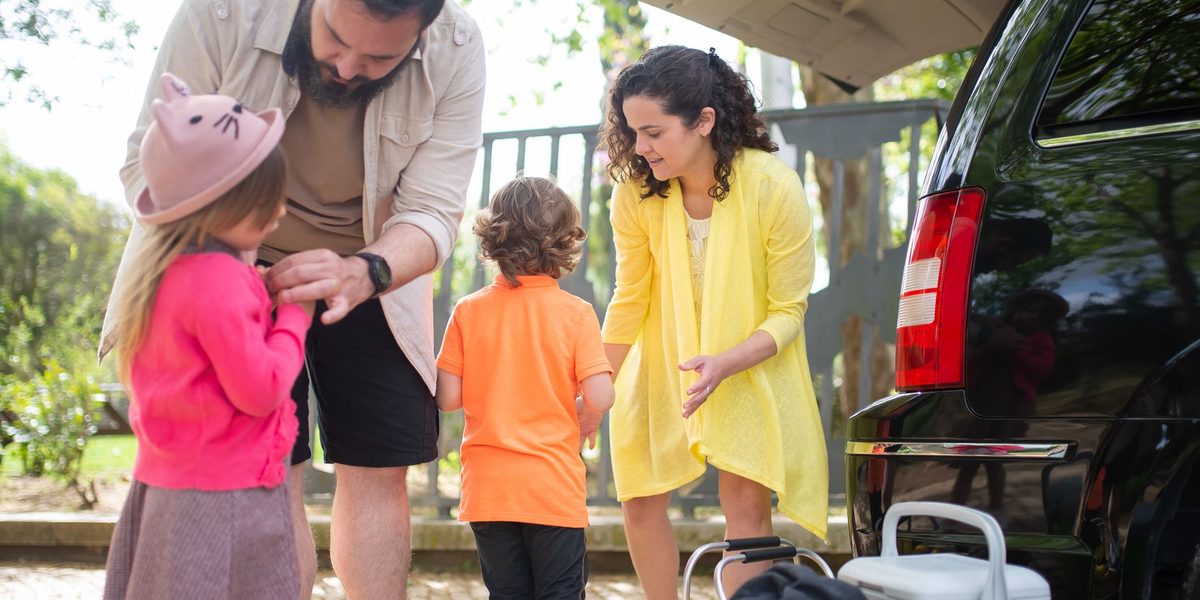
A modest cooler transforms your options. With cold storage on board, you can carry real food instead of shelf-stable snacks only. Load it the night before with items that travel well: cut vegetables with hummus, hard-boiled eggs, cheese sticks, yogurt cups, washed grapes and berries, wraps or sandwiches made on sturdy bread, and plenty of cold water. Freeze a few water bottles to act as ice packs that become drinkable as they melt.
Organization keeps the cooler useful rather than chaotic. Pack items you will want first on top, keep raw ingredients sealed, and use small containers so one open package does not perfume everything else. A roll of paper towels, a few utensils, wet wipes, and a small trash bag ride along in a separate tote. At rest stops, eating from the cooler at a picnic table doubles as a chance to stand, stretch, and get sunlight, which is its own kind of nourishment on a long drive.
Build a Smarter Snack Bag
Snacking on a road trip is inevitable, so the goal is not to prevent it but to steer it. The trick is to pack snacks that offer protein, fiber, or healthy fats, which satisfy you with reasonable portions, instead of refined snacks that invite endless grazing. A solid snack bag might include:
- Mixed nuts, trail mix, or roasted chickpeas
- Fresh fruit that travels well, such as apples, oranges, and bananas
- Whole-grain crackers or popcorn
- Nut butter packets for fruit or crackers
- Dark chocolate squares for a controlled treat
Portion matters as much as selection. Decant big bags into small containers before you leave, because an open family-size bag within reach of a bored passenger rarely survives the afternoon. Keeping snacks slightly out of arm's reach, in the back seat rather than the console, adds just enough friction to turn mindless grazing back into a decision.
Make Better Choices at Fast Food Stops
Sometimes the highway wins and a fast-food stop is the realistic option. That is fine, and you can still choose well. Most chains now offer grilled options, salads, fruit sides, and smaller portion sizes if you look past the combo-meal defaults. Choosing grilled over fried, skipping the sugary drink in favor of water, and declining the upsell to a larger size are three small decisions that dramatically change what lands in your stomach.
Watch the extras, which is where many meals quietly double in heaviness: creamy sauces, bacon add-ons, and oversized fries. Ordering a regular burger with a side salad, or a grilled sandwich with fruit, leaves you satisfied without the post-meal slump that makes the next hundred miles feel endless. If several options are clustered at an exit, a grocery store with a salad bar or prepared foods section often beats every drive-through in sight.
Hydrate Without Overdoing the Sugar
Dehydration on a road trip is sneaky. Air conditioning dries you out, and many drivers deliberately avoid drinking to minimize bathroom stops, then wonder why they feel headachy and irritable by late afternoon. Keep a large water bottle in easy reach for every person in the car and sip steadily rather than chugging. Planning a short stop every couple of hours solves the bathroom concern and doubles as a stretch break your circulation needs anyway.
Be wary of liquid sugar, which is the road trip's most common trap. Giant fountain sodas, sweetened iced teas, and energy drinks pile up quickly over a long day of driving. If plain water bores you, pack sparkling water or add a squeeze of citrus. Save caffeine for strategic moments, such as the start of a long afternoon stretch, rather than sipping it continuously, and remember that caffeine helps alertness but is no substitute for a proper rest break when fatigue sets in.
Keep the Driver Alert With Food Timing
What and when you eat directly affects driving alertness, which makes food a genuine safety tool on a road trip. Heavy, carbohydrate-dense meals followed by a warm car and a monotonous highway are a classic setup for drowsiness. Keep driver meals moderate, with protein and vegetables taking the lead, and schedule the richest meal for after the driving is done.
Steady snacking on protein-forward options helps maintain even energy, while sugary snacks produce a brief lift followed by a dip that hits hardest mid-afternoon. If the driver feels sleepy, food and caffeine can help at the margins, but nothing replaces pulling over for rest or swapping drivers. Treat persistent drowsiness as a stop-now signal, not a push-through challenge.
Turn Meal Stops Into Movement Breaks
Every food stop is also a chance to undo some of the sitting. Instead of eating in the car while refueling, take fifteen minutes at a rest area or park: walk a quick loop, stretch your hips and hamstrings, and let kids burn energy before buckling back in. Movement before eating aids digestion, and movement after hours of sitting restores circulation and focus for the next leg.
This habit also slows your eating down. Food eaten at a table, even a concrete picnic table beside a parking lot, tends to be eaten more mindfully than food eaten from a bag at highway speed. You notice when you are satisfied, you spill less, and the meal becomes a small event in the day rather than fuel shoveled in while watching the mile markers.
Final Thoughts
Eating well on a road trip comes down to removing chance from the equation: pack a cooler with real food, build a snack bag around protein and fiber, plan loose meal stops, drink water steadily, and keep the driver's meals light. None of it requires culinary heroics, just a little intention the night before you leave. Do it once and you will notice the difference at the destination, when you arrive energized and ready for the trip itself rather than recovering from the drive.