The most important part of staying healthy on a big trip happens before you ever leave home. Once you are abroad, you are working with whatever preparation you brought along: the vaccines you did or did not get, the insurance you did or did not buy, the kit you did or did not pack. None of it is complicated, but much of it has lead times measured in weeks, which is why the travelers who handle it early sail through situations that scramble everyone else. Here is a practical rundown of what to sort out, roughly in the order to tackle it.
Book a Pre-Travel Health Visit Early
For any significant international trip, especially to regions with different disease risks than home, a visit to your doctor or a travel medicine clinic several weeks before departure is the anchor of your preparation. Some vaccines require multiple doses spaced apart, and others take time to build protection, so the appointment loses value the longer you wait. Four to six weeks out is a comfortable target; even a late visit is better than none.
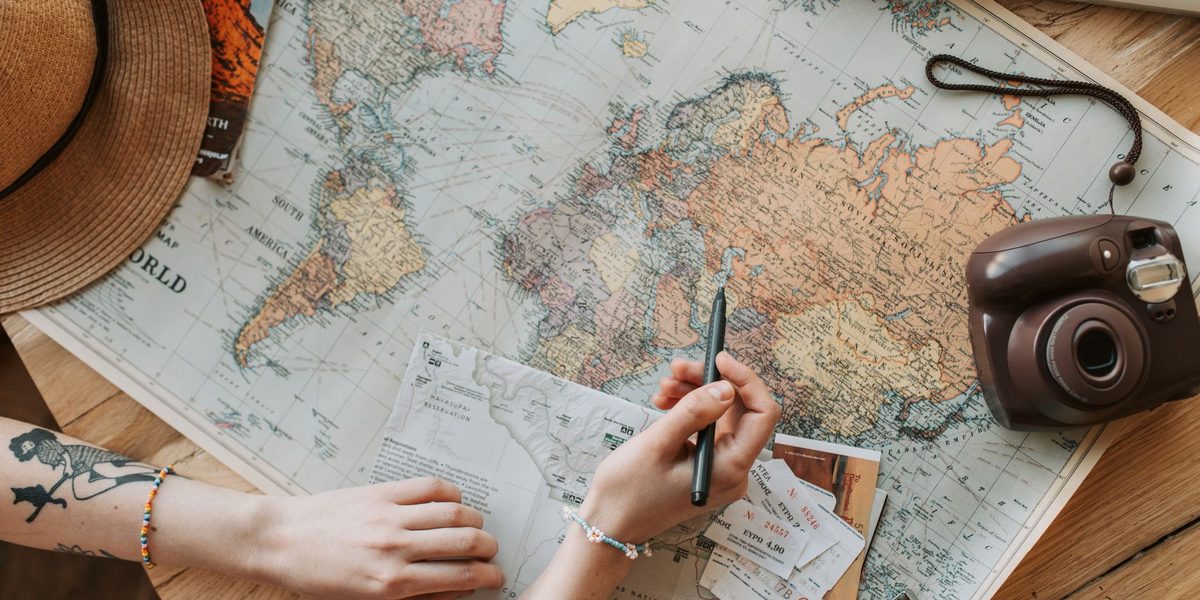
Bring your itinerary, including rural side trips, since risk often varies dramatically within a single country. A travel health professional will review which vaccinations are recommended or required for your destinations, whether preventive medications make sense for your route, and how your existing health conditions interact with the trip. This is also the moment to confirm your routine vaccinations are current, which travelers overlook surprisingly often.
Square Away Prescriptions and Medical Documents
If you take regular medications, arrange refills covering the full trip plus several extra days of buffer. Ask your pharmacy about vacation overrides if your insurance normally limits supply. Keep medications in their original labeled containers for border crossings, and carry a written list of everything you take with generic names, since brand names change across countries.
For managed conditions, ask your doctor for a brief letter summarizing diagnoses, medications, and any devices you travel with, such as injection supplies. Store digital copies of this letter, your prescriptions, and your vaccination records on your phone and somewhere in the cloud. If you wear glasses or contacts, pack a backup pair and a copy of your prescription; replacing lost eyewear abroad is far easier with the numbers in hand.
Dental readiness belongs on this list too, though almost nobody thinks of it. A toothache has a talent for arriving mid-trip, and dental care abroad is harder to navigate than a pharmacy visit. If a checkup is due anyway, schedule it before a long journey rather than after, and deal with any nagging issue while your own dentist is still a short drive away.
Understand Your Insurance Before You Need It
Many travelers discover only in a crisis that their regular health coverage stops at the border or covers very little abroad. Call your insurer and ask three blunt questions: does my plan cover me at my destination, what does it cover, and how do claims work from overseas. The answers determine whether you need supplemental travel medical insurance, which is generally inexpensive relative to what it protects against.
Pay particular attention to emergency medical evacuation coverage. Transport from a remote area or a hospital transfer across borders can be staggeringly expensive out of pocket, and standard policies frequently exclude it. If your trip involves adventure activities, check whether they are covered too, since many policies carve out things like diving, trekking at altitude, or motorbike rental. Carry your policy number and the insurer's emergency line somewhere accessible offline.
Research the Health Landscape of Your Destination
A small amount of destination research pays off repeatedly during the trip. Before you go, learn the basics: whether tap water is safe to drink, what food precautions make sense, whether insect-borne illnesses are a concern and in which seasons, and what the altitude and climate will demand of your body.
- Check official government travel health pages for current notices about your destination.
- Note the local emergency phone number, which differs from home in most countries.
- Identify a reputable hospital or clinic near where you are staying.
- Learn whether your destination requires proof of any vaccination for entry.
Write the key findings somewhere you will actually see them, such as a note pinned on your phone. Research you cannot recall at the moment of decision might as well not exist. Share the same notes with your travel companions so the knowledge does not live in one phone, and leave a copy of your itinerary with someone at home who can act as a point of contact if plans go sideways.
Build a First-Aid and Wellness Kit That Fits Your Trip
You do not need a paramedic bag, just the small stuff that solves the common problems: adhesive bandages, blister care, antiseptic wipes, pain relievers, antihistamines, anti-diarrheal tablets, oral rehydration salts, motion sickness remedies, sunscreen, and insect repellent appropriate for your destination. Add tweezers, a digital thermometer, and any personal items like allergy medication or an inhaler backup.
Tailor it to the trip. A beach week needs serious sun care and something for minor cuts and stings; a trekking trip needs blister management above all; a city tour needs very little beyond the basics. Ask your pharmacist to sanity-check the kit against your regular medications, then keep it in your carry-on where it can actually be reached when needed.
Get Your Body Ready, Not Just Your Bags
A trip is a physical event, and arriving in reasonable condition makes every part of it better. If the itinerary involves lots of walking, hills, or altitude, spend the preceding weeks walking more, taking stairs, and building a base of easy endurance. You are not training for a race, just closing the gap between your daily life and what the trip will ask of you.
Sleep is part of this too. Starting a long-haul journey already exhausted deepens jet lag and weakens your resistance to whatever germs the journey offers. In the final days before departure, protect your sleep, moderate alcohol, stay hydrated, and begin nudging your schedule toward the destination time zone if the shift is large. Travelers who board rested adapt noticeably faster on the other end.
Prepare for the Journey Itself
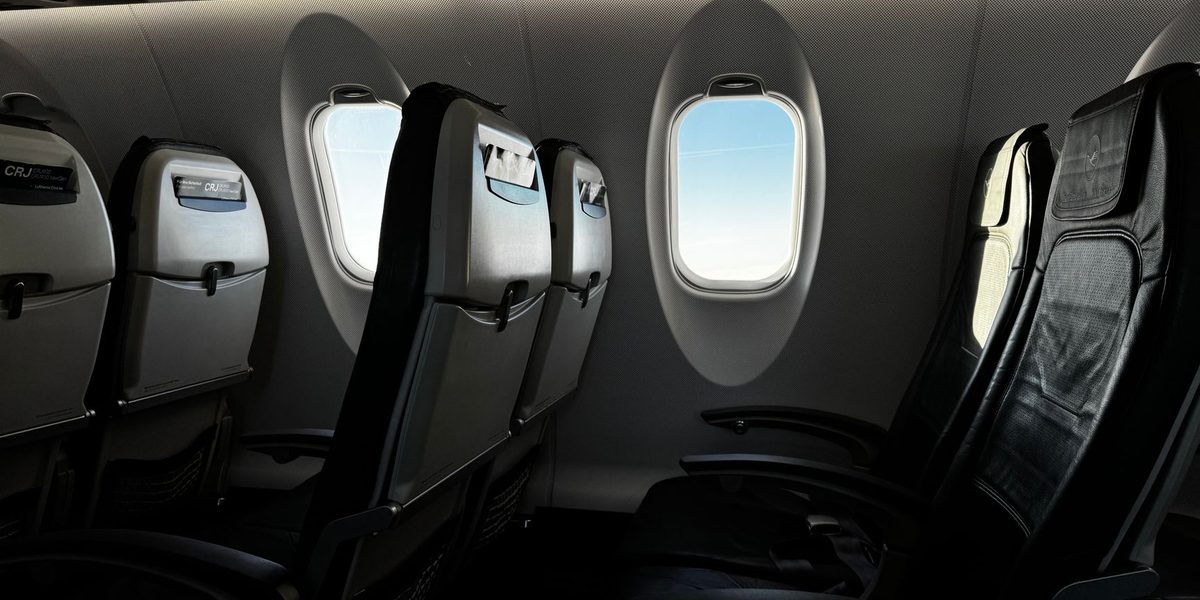
The transit day has its own health logistics. Pack medications, your kit, and a day of essentials in your carry-on in case checked luggage wanders off. Plan to move regularly on long flights, since hours of immobility are hard on circulation; an aisle seat makes this easier. Bring an empty water bottle to fill after security, because cabin air is extremely dry and dehydration amplifies jet lag and fatigue.
If you have health conditions that could matter in transit, such as clotting concerns on long flights, raise them at your pre-travel appointment and follow the specific guidance you receive. Small transit-day choices, made in advance, are much easier than improvising them at thirty thousand feet.
Final Thoughts
Travel health prep is a checklist, not a mystery: a timely medical visit, vaccines and prescriptions sorted, insurance verified, destination basics researched, a right-sized kit packed, and a body that arrives rested. Spread over the weeks before departure, none of it takes much effort, and every item quietly removes a category of potential trouble from your trip. Do the preparation while it is cheap and calm, and the odds tilt strongly toward a journey where your health stays in the background, exactly where you want it, from takeoff to the flight home.