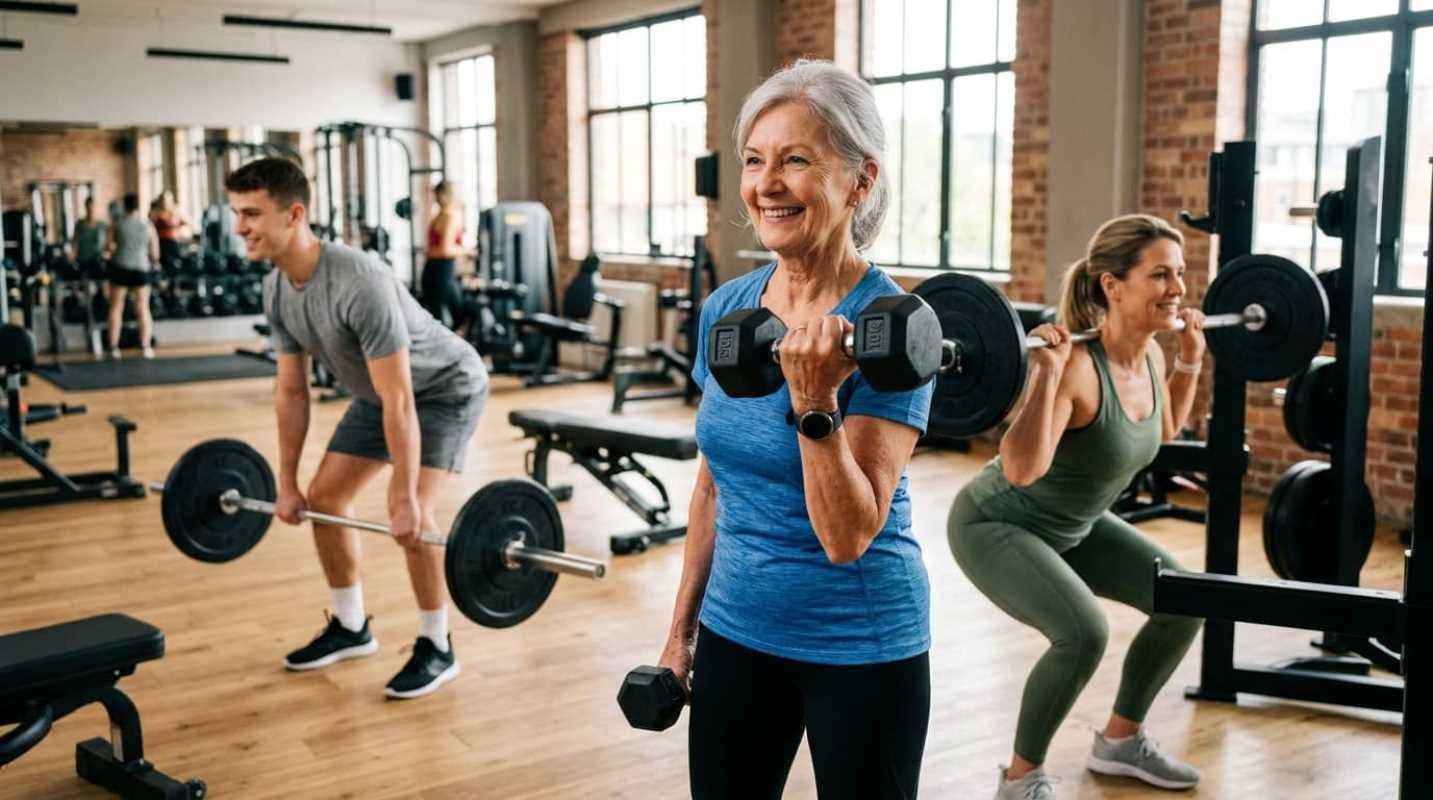
When you picture strength training, what comes to mind? For a long time, people assumed lifting weights was only for young athletes or bodybuilders trying to bulk up in a gym. That myth kept millions of people away from resistance exercises for decades.
Science has completely rewritten that story. Today, lifting weights or using resistance is recognized as a key pillar for living a long, healthy life. You don't need to spend hours in a gym, push yourself to painful exhaustion, or lift massive iron plates to see real results.
Data from a landmark 30-year study following over 140,000 adults shows that just 90 to 120 minutes of resistance training per week drops your risk of premature death from all causes by 13 percent.¹ That same routine slashes cardiovascular mortality risk by 19 percent.¹ When you combine regular strength work with basic aerobic activity like walking or cycling, overall mortality risk drops by up to 45 percent.³
So what does this actually mean for you? It means taking control of your physical future is far simpler than you might think. Whether you're 18, 48, or 78, building physical strength is the single best investment you can make in your daily quality of life.
The Biological Imperative of Muscle Health
Starting around age 30, your body begins to naturally lose muscle tissue. This process, known as sarcopenia, quietly steals lean muscle and often replaces it with inner body fat. By the time people reach their 60s and 70s, this loss accelerates, making simple daily movements feel surprisingly tough.
Skeletal muscle isn't just about movement. It works as your body's main metabolic engine, acting as the primary storage site for glucose. Every time you contract a muscle against resistance, you help regulate your blood sugar and improve insulin sensitivity. This makes resistance training an effective tool for preventing and managing Type 2 diabetes.
Your bones and joints benefit just as much. Pushing or pulling resistance creates mechanical stress on your skeleton. That stress signals your body to lay down fresh bone tissue, protecting against brittle bones and osteopenia.
Here is how strength training protects your body at different stages of life:
• Youth (Ages 5 to 17): Builds peak bone mineral density early, setting up a structural safety net against osteoporosis later in life.
• Adults (Ages 18 to 59): Stops early age-related muscle loss, keeps your blood pressure in check, and keeps your metabolism running efficiently during busy career years.
• Seniors (Ages 60 and older): Preserves fast-twitch muscle fibers, which are the exact muscle fibers that stop you from falling when you trip or slip.
Beyond the Mirror and Complete Fitness Benefits
Have you ever noticed how clear-headed you feel after completing a good workout? That isn't just in your head, though your brain certainly benefits. When your muscles contract against a load, they release specialized proteins called myokines. These myokines travel through your bloodstream, lowering systemic inflammation across your body and stimulating brain-derived neurotrophic factor, a protein that protects brain cells.
The neurological impact is significant. Research shows that sticking to a basic strength routine can lower your risk of dying from neurological conditions like dementia and Alzheimer's disease by 27 percent.¹ Moving your body directly protects your mind.
Then there is functional independence. Roughly 30 percent of adults over age 70 struggle with basic daily tasks like getting up from a chair, lifting a heavy grocery bag, or climbing stairs. Being strong keeps you in the driver's seat of your own life. You keep your autonomy, your balance, and your freedom.
There is also a deep psychological win here. Feeling physically strong changes how you walk through the world. You move with confidence, knowing your body is capable and physically resilient.
Getting Started with a Sustainable Approach for Every Level
The updated 2026 guidelines from the American College of Sports Medicine recommend targeting all major muscle groups at least two days a week.² The best part? You don't need a complicated routine or expensive machinery.
Forget the old fitness myths about training until you collapse. You don't need hyper-specific rep ranges or extreme intensity to see progress. The biggest health jump happens when you go from doing nothing to doing anything on a consistent basis.
If you are completely new to this, start small using simple, effective movements.
• Bodyweight Basics: Sit down and stand up from a sturdy chair, perform wall push-ups, or practice standing on one foot to build stability.
• Simple Resistance Tools: Use light resistance bands or household items like water bottles to add gentle pressure to your movements.
• Progressive Overload: Gradually add a little bit of weight, an extra repetition, or another set over time as your body adapts.
Consistency always beats intensity. Choosing two days a week that fit your schedule will build a lasting habit far better than a single brutal workout that leaves you sore for a week. If you have existing medical conditions or joint pain, check in with a doctor or physical therapist to tailor movements safely to your needs.
Building a Stronger Future Starting Today
It is never too late to start building strength. Research emphasizes that muscle tissue responds to resistance training at almost any point in life. Studies show that people starting a routine in their 80s can still build real muscle mass and gain noticeable functional mobility.
Think of strength training as a lifelong habit, just like brushing your teeth or eating healthy meals. You aren't competing with anyone else in a gym. You are simply taking care of the body that carries you through every single day.
Start with two short sessions this week. Try a few bodyweight squats while waiting for your morning coffee to brew, or do standing chest presses against a wall. Small actions add up quickly, building a healthier, stronger future starting right now.
Sources:
1. Strength training is linked to longevity, 30-year study finds
https://www.sciencealert.com/strength-training-is-linked-to-longevity-30-year-study-finds
2. ACSM Resistance Training Guidelines Update 2026
https://acsm.org/resistance-training-guidelines-update-2026/
3. Moderate Amount of Strength Training Each Week Could Boost Longevity
https://hsph.harvard.edu/news/moderate-amount-of-strength-training-each-week-could-boost-longevity/
*This article on legitlevel is for informational and educational purposes only. Readers are encouraged to consult qualified professionals and verify details with official sources before making decisions. This content does not constitute professional advice.*