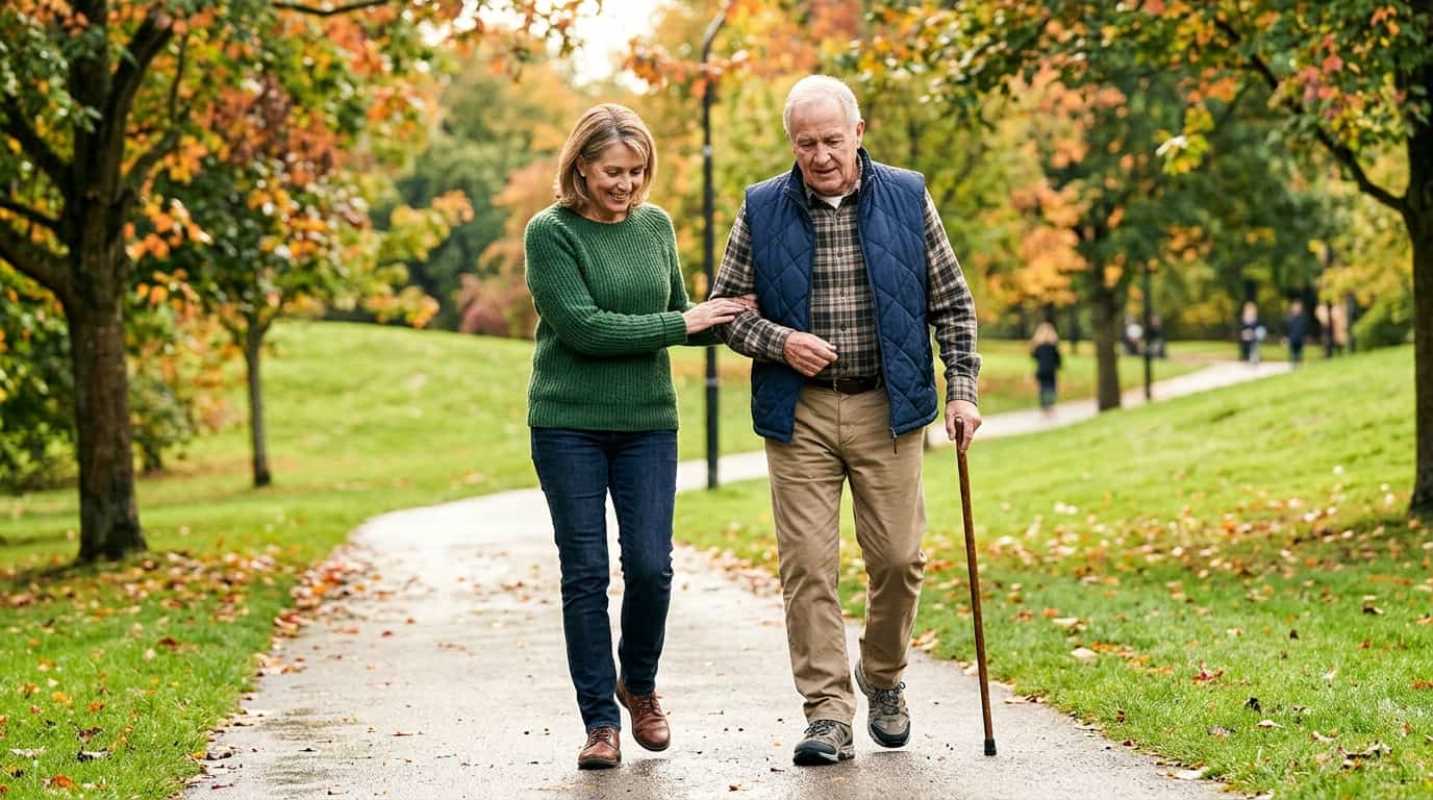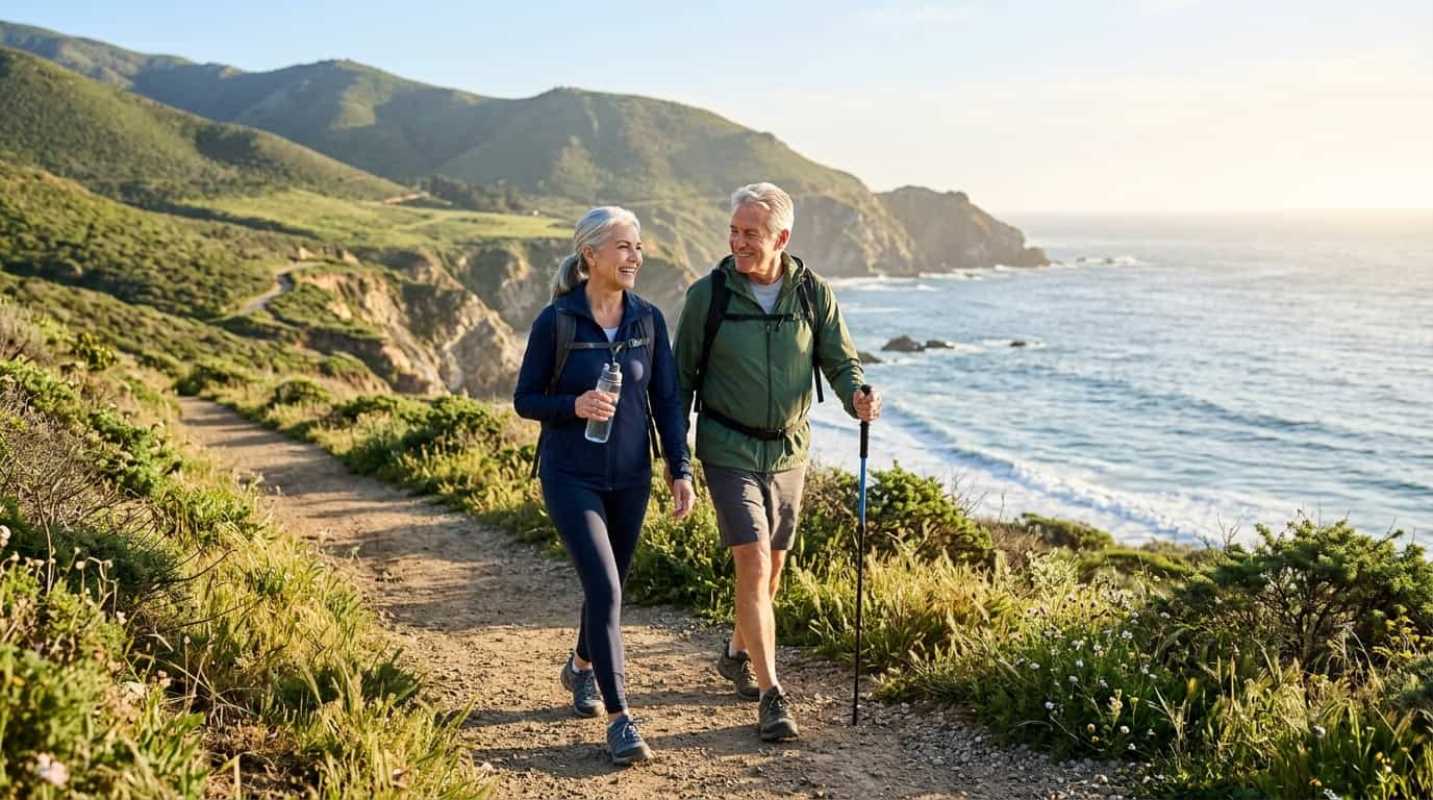
How do you picture getting older? For decades, society treated aging like an inevitable slide downhill. We bought creams to cover wrinkles and treated birthdays like countdown clocks. But medical science is turning that idea completely inside out.
We are shifting from an anti-aging mindset to a pro-longevity focus. That means we aren't just looking to stack up more years on the calendar. We want to get the most from our healthspan, which is the number of years we live free from chronic illness, disability, and cognitive decline.
Here is the best part: a huge portion of how well you age sits directly in your hands. Genetics play a role, sure, but your daily habits shape how those genes actually express themselves. Getting older isn't a sentence to slow down. It's an opportunity for continued growth, personal bests, and living with active energy well into your 80s and 90s.
Building Physical Resilience Through Movement and Nutrition
If you want to stay independent as you age, your muscles and heart are your best insurance policy. Researchers track cardiorespiratory fitness, specifically your VO2 max, as one of the strongest predictors of overall longevity.¹ Your VO2 max reflects how efficiently your heart, lungs, and cells process oxygen during intense effort.
Moving from a low fitness level to a moderate one can cut your risk of premature death in half. To build that capacity, you don't need to live at the gym. A smart approach blends two types of cardio:
• Zone 2 Cardio: Low-intensity, steady movement where you can still hold a conversation, like a brisk walk or easy cycle. This builds cellular endurance and mitochondrial health.
• Zone 5 Intervals: Short bursts of high effort, like four minutes of hard work followed by active recovery. This pushes your maximum aerobic capacity higher.
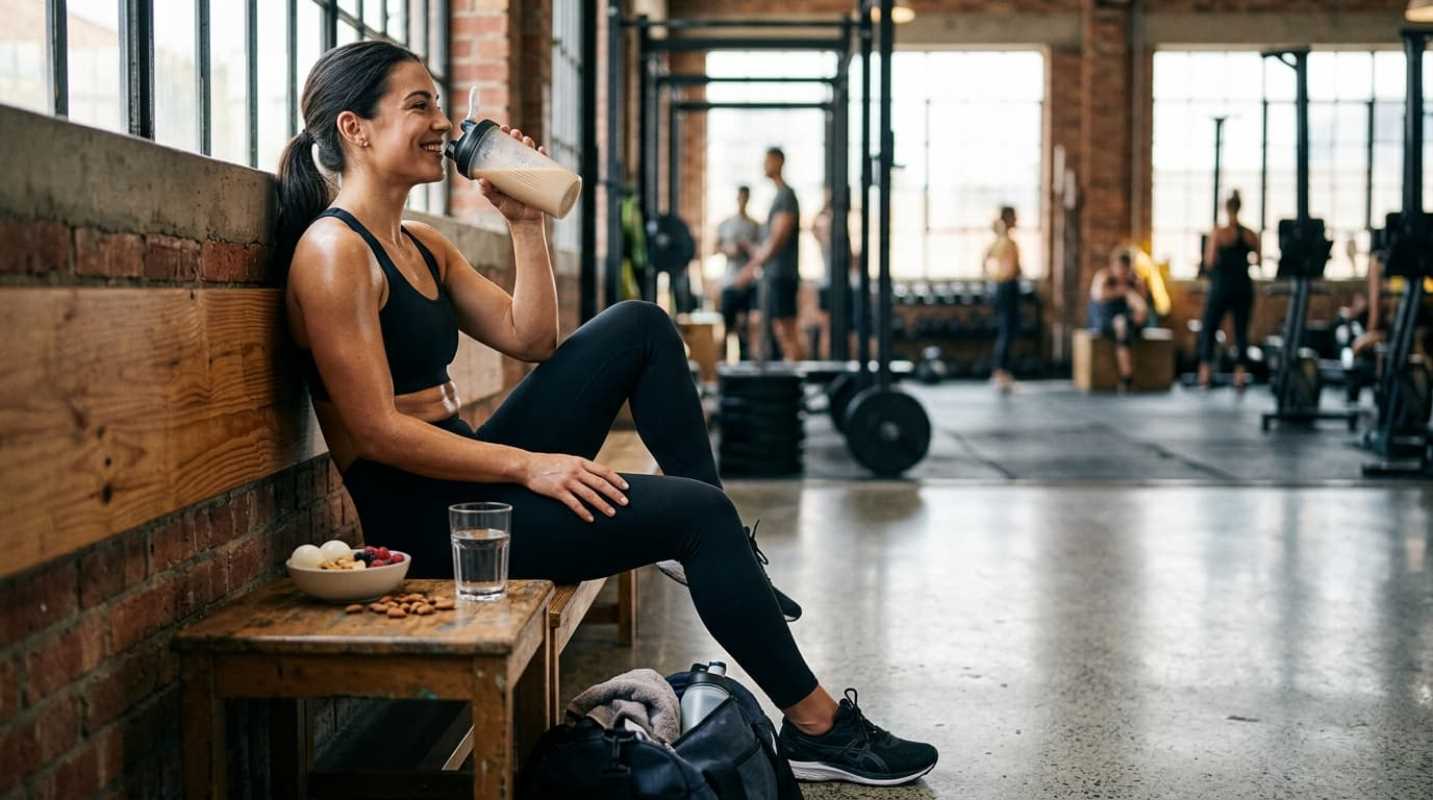
What about strength? Starting around age 50, we naturally lose muscle mass if we don't actively work to keep it. Muscle acts like a metabolic engine, soaking up blood sugar and lowering body-wide inflammation. Strength is so important that doctors now test handgrip strength as a main biological marker for systemic aging.² In fact, research shows that muscle quality and strength heavily influence how long and well you live.³
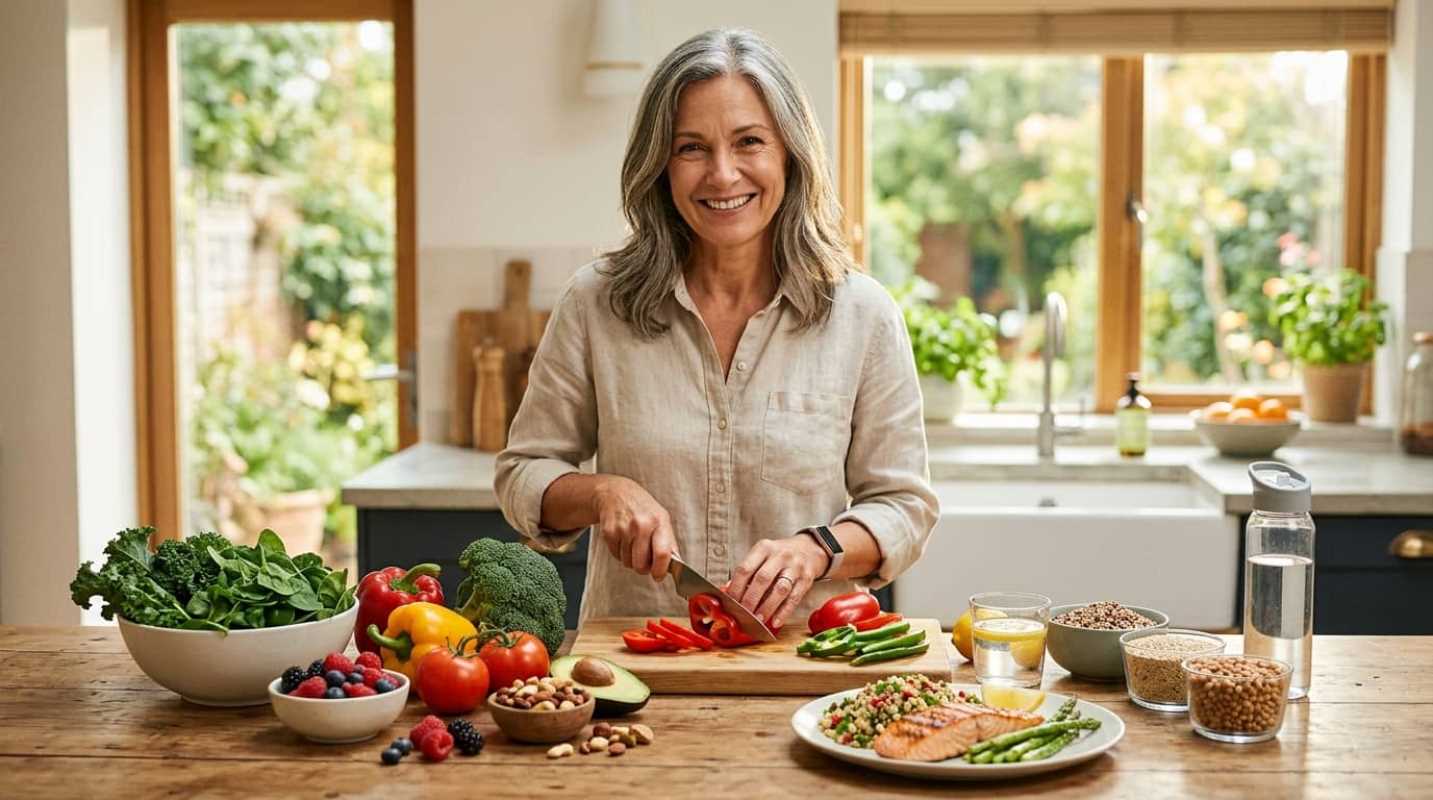
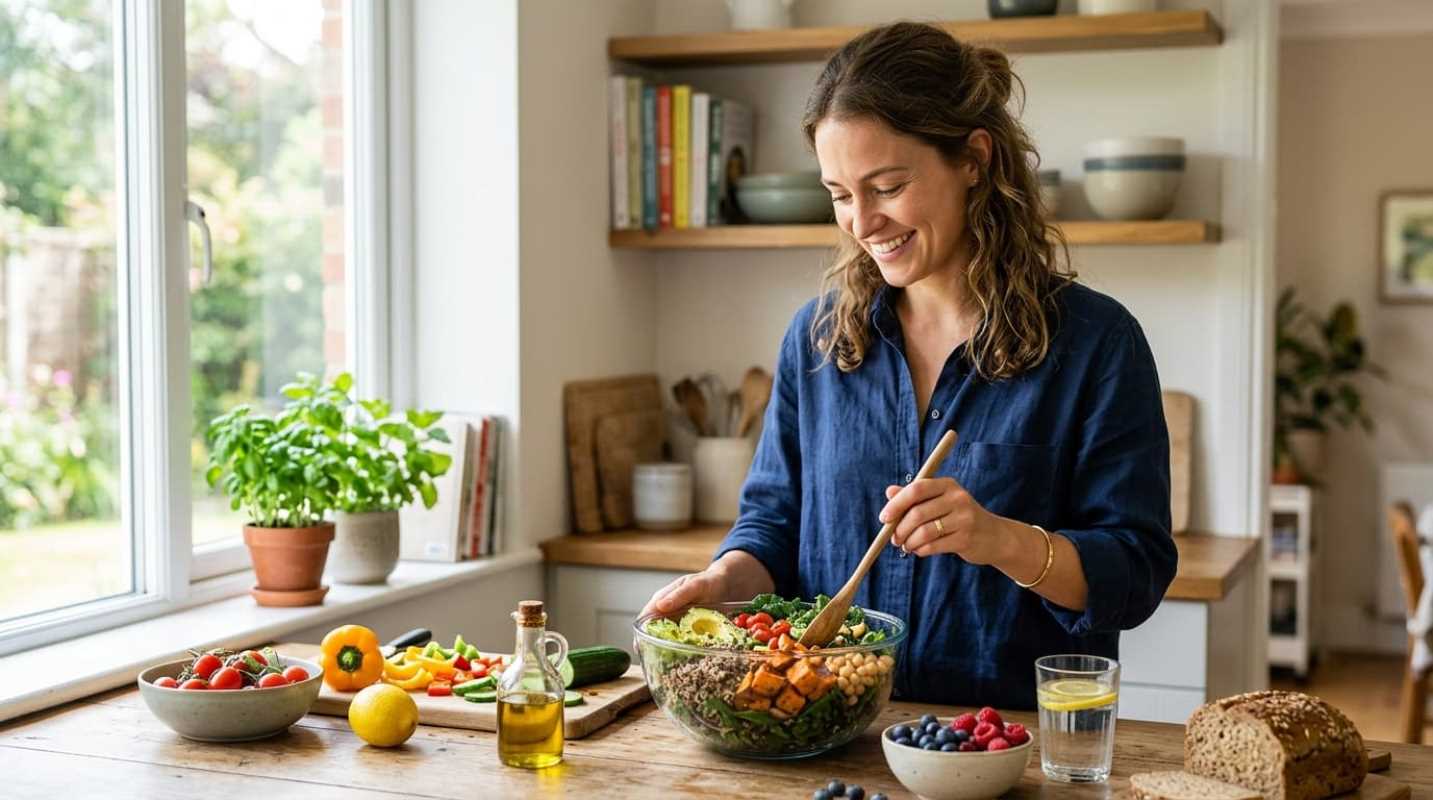
To fuel that muscle, your diet needs to adapt as you get older. Older adults actually need more high-quality protein to maintain lean tissue, around 1.2 to 1.5 grams per kilogram of body weight daily. Pair that with a Mediterranean-style pattern filled with fiber, healthy fats, and colourful vegetables to keep your gut happy and your blood sugar stable.
Building Mental and Cognitive Sharpness
Physical fitness keeps your body moving, but what keeps your mind sharp? Brain health isn't set in stone, and cognitive decline isn't an unavoidable fate.
The 2024 Lancet Commission update on dementia prevention found that nearly half of global dementia cases can be prevented or delayed by addressing 14 modifiable lifestyle factors. That is incredible news because it means your choices today directly shield your cognitive future.
What are the big levers you can pull right now?
• Corrective Sensory Care: Treating hearing loss in midlife and vision loss later in life reduces cognitive strain and keeps neural pathways active.
• Lifelong Learning: Picking up a new language, learning an instrument, or mastering a complex skill builds cognitive reserve, giving your brain alternative pathways to handle aging.
• Metabolic Control: Managing blood pressure, keeping LDL cholesterol in check, and avoiding diabetes directly protect the tiny blood vessels supplying your brain.
• Stress Reduction: Chronic high stress damages the hippocampus, the brain's memory center. Daily practices like deep breathing or spending time in nature keep your stress response in check.
The Power of Social Connection and Purpose
You could eat clean and lift weights every day, but if you're isolated, your health will still take a hit. Human connection is not just a nice bonus for a happy life. It's a foundational requirement for physical survival.
The Harvard Study of Adult Development, an 85-year investigation into human life, reached a clear conclusion: the quality of your relationships is the single biggest predictor of health and happiness as you age. It outranks income, genetics, and social status.
On the flip side, chronic loneliness carries a heavy biological cost. Public health data shows that prolonged social isolation increases your mortality risk at rates comparable to smoking 15 cigarettes a day. Loneliness increases your risk of heart disease, stroke, and dementia significantly.
So how do you build social fitness? Schedule regular time with friends, join local groups, or volunteer in your community. Pair that connection with a sense of purpose, what the Japanese call Ikigai, or your reason to wake up each morning. Having a clear reason for being gives your nervous system a reason to stay resilient and engaged.
Prioritizing Restorative Habits for Long-Term Health
When you sleep, your body isn't just resting. It's doing needed maintenance work. During deep non-REM sleep, your brain activates its internal cleaning service, washing away metabolic waste products that accumulate during waking hours.
Skipping sleep harms your health rapidly. Population studies show that consistently getting under seven hours of sleep per night correlates strongly with reduced life expectancy, showing a sharper negative impact than physical inactivity or a poor diet. Aim for seven to nine hours of quality sleep every night by keeping your room cool, dark, and consistent in schedule.
You don't need to overturn your entire lifestyle overnight to see real benefits. Small micro-habits compound fast over time. Adding just five extra minutes of sleep, two minutes of brisk walking, and half a serving of vegetables each day can add a full year to your life if you're starting from scratch. When you combine best sleep, consistent exercise, and clean nutrition, you can gain nearly a decade of healthy, disease-free living.
Taking Ownership of Your Future
Healthy aging isn't about chasing youth or obsessing over every biomarker. It's about building a body and mind capable of enjoying every decade of your life.
When you consistently lift weights, prioritize sleep, eat nutrient-dense meals, and nurture your friendships, you create a powerful snowball effect. Every small, healthy action compounds over time, protecting your heart, brain, and spirit.
Start small today. Pick one or two habits from this list, lock them into your daily schedule, and build from there. Your future self will look back and thank you for taking action now.
Sources:
1. Robin Berzin MD - VO2 Max Longevity
https://robinberzinmd.com/if-you-only-track-one-fitness-metric-make-it-vo2-max/
2. OMG Wellness MD - Grip Strength and Longevity
https://omgwellnessmd.com/blog/grip-strength-and-longevity/
3. Rectify - Muscle Longevity
https://rectify.de/en/blog/muscle-longevity-key-longer-life
*This article on legitlevel is for informational and educational purposes only. Readers are encouraged to consult qualified professionals and verify details with official sources before making decisions. This content does not constitute professional advice.*