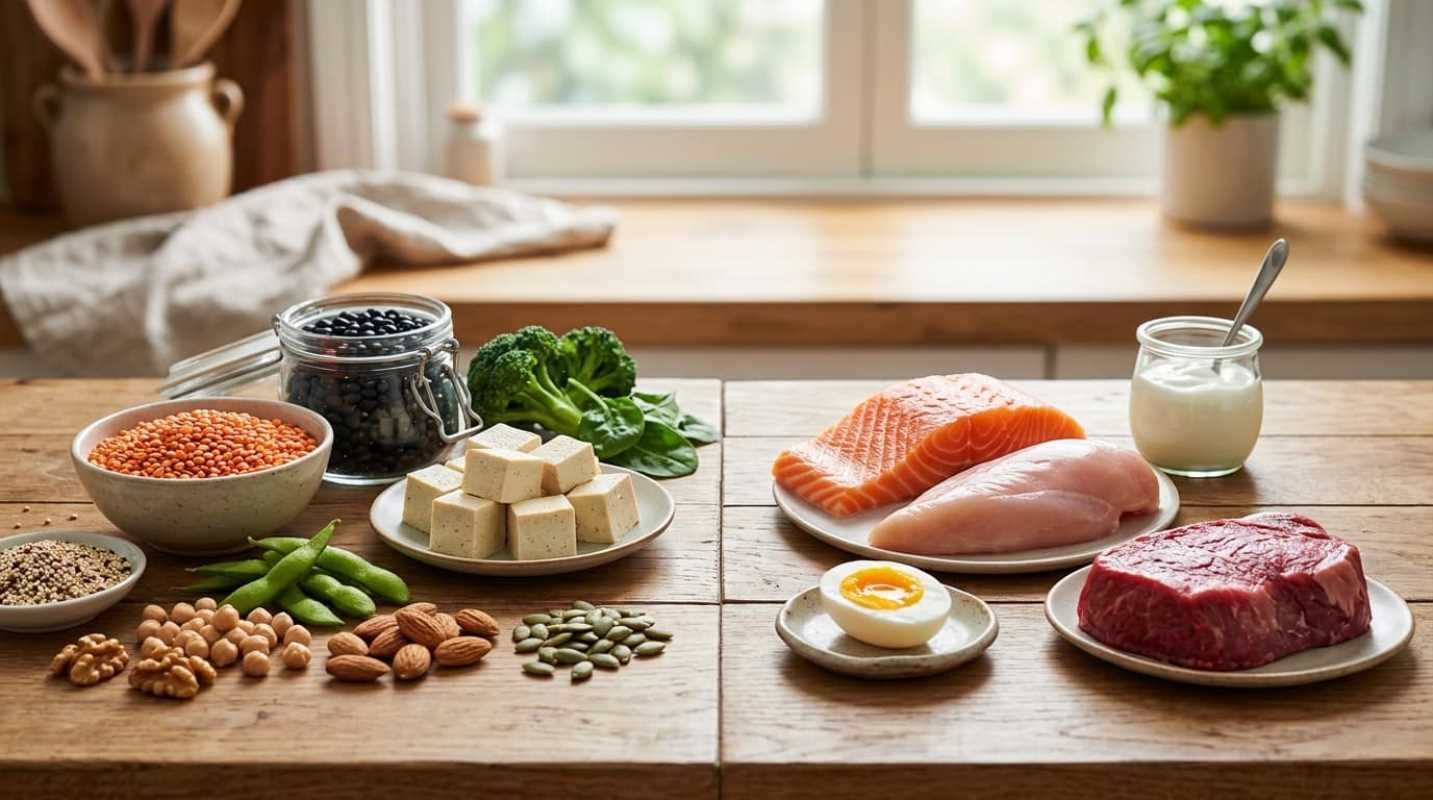
Have you ever stood in the grocery store aisle staring at a carton of eggs and a block of tofu, wondering which one your body actually needs? You are definitely not alone. The debate over plant protein versus animal protein used to be straightforward, but changing consumer habits in 2026 have completely transformed how we look at our daily meals.
For decades, common wisdom suggested that plant-based diets fell short on quality protein. Many people assumed you could not build serious muscle or stay healthy without regular servings of chicken, beef, or dairy.
That myth is finally falling apart. Modern research shows that protein quality depends far more on your total diet than on a single food source. Consumers are shifting toward sustainable plant choices not just for the environment, but because the long-term health evidence is getting hard to ignore.
The Protein Shift: A Modern Perspective
To understand why this shift is happening, we have to clear up what plant and animal proteins actually are. Animal proteins come from poultry, meat, fish, eggs, and dairy. Plant proteins come from legumes, grains, nuts, seeds, and soy products.
The idea that plant foods completely lack nutrients or needed protein is outdated. Years ago, critics claimed plant diets were missing fundamental building blocks. Today, nutritional science shows that an eating plan built around whole plant foods offers plenty of high-quality protein alongside complex carbohydrates and needed vitamins.
People are no longer choosing plant options strictly out of ethical duty. Millions of active adults and fitness enthusiasts now rely on plant protein to reach their daily performance targets while protecting their long-term health.
Nutrition Comparison: Amino Acid Profiles and Digestibility
So what happens when we look under the hood at the actual chemistry of these proteins?
Your body relies on 20 different amino acids to build and repair tissue, and nine of them are needed, meaning your body cannot make them on its own. Animal proteins like eggs, whey, and chicken naturally contain all nine needed amino acids in ratios that match human tissue needs. They also score high on bioavailability scales, absorbing quickly in the digestive tract.¹
For years, nutrition scientists measured protein quality using a system called PDCAAS, which capped all top scores at 100 percent. Newer standards use DIAAS, which measures how amino acids are absorbed at the end of the small intestine. Under DIAAS testing, animal proteins consistently rank near the top because they lack natural plant compounds that slow down digestion.
Raw plant foods contain phytates and tannins that slightly reduce protein absorption, yielding digestibility scores between 40 percent and 90 percent. But the idea that plant proteins are "incomplete" is a major misunderstanding. Every single whole plant food contains all nine needed amino acids. They simply have lower levels of specific amino acids.
• Legumes: High in lysine, but lower in sulfur-containing methionine and cysteine.
• Grains and Cereals: High in methionine, but lower in lysine.
• Soy and Pea Isolates: Processed plant extracts that eliminate digestion inhibitors, achieving bioavailability levels that compete directly with animal sources.
You do not need to meticulously combine plant proteins at every single meal. As long as you eat a varied diet across the day, your body pools these amino acids to construct complete proteins whenever it needs them.
The Health Impact: Beyond Just Protein Content
When you evaluate a protein source, you cannot look at protein grams in isolation. You have to consider the overall food matrix package. What else comes attached to that protein?
Animal protein often comes packaged with saturated fat, dietary cholesterol, heme iron, and sodium. In contrast, plant sources bring dietary fiber, antioxidants, and alkalizing minerals like magnesium and potassium.
Long-term health studies tracking hundreds of thousands of people over several decades reveal clear patterns. Shifting your diet toward a higher ratio of plant protein lowers cardiovascular risk. Replacing just three to five percent of daily calories from red meat with plant protein significantly lowers your overall risk of heart disease and early mortality.³
Kidney health shows a dramatic difference as well. International clinical practice guidelines now recommend swapping animal protein for plant protein in patients with kidney concerns. Animal protein causes high metabolic acid load and strains kidney filters through hyperfiltration. Plant protein, on the other hand, is alkalizing and reduces pressure on the kidneys.
When you eat red meat, gut microbes metabolize compounds like choline and L-carnitine into TMAO, a byproduct linked to arterial plaque buildup. Plant sources avoid this issue while feeding your gut microbiome with fermentable fiber, helping lower systemic inflammation across your whole body.
Practical Application: How to Optimize Your Intake
If you are an athlete or fitness enthusiast, you might worry that moving toward plant protein will hurt your muscle gains.
The short answer is no, provided you hit your total daily intake targets. Animal protein contains a slightly higher concentration of leucine, the amino acid responsible for turning on muscle protein synthesis. Although animal sources sit at 8 to 11 percent leucine by weight, plant sources hover closer to 6 to 8 percent.
To trigger muscle growth on a plant-heavy diet, you just need a few simple tweaks:
• Increase Portion Sizes: Eat around 35 to 40 grams of whole plant protein per meal instead of 25 to 30 grams of whey or chicken breast.
• Use Smart Blends: Combine pea protein isolate with rice protein isolate to create a shake that matches whey's leucine density.
• Match Total Intake: Target 1.6 to 2.2 grams of protein per kilogram of body weight daily. Clinical meta-analyses confirm that when total protein intake is matched, plant protein builds muscle strength and size just as effectively as animal protein during weight training.²
Food processing also plays a major role. Simple cooking, soaking, and fermenting whole grains and beans destroy antinutritional factors, boosting digestibility dramatically. Try to rely primarily on whole foods like lentils, chickpeas, edamame, and tempeh rather than heavily processed meat substitutes loaded with sodium and isolated oils.
Finding Your Personal Protein Balance
Both plant-based and animal protein sources can play a role in a healthy diet. You do not need an all-or-nothing approach to see real health improvements.
If your current diet relies heavily on meat, small updates can make a big difference. Swapping out red meat once or twice a week for a lentil soup, tofu stir-fry, or chickpea curry moves your diet toward better heart and kidney health.
Your protein approach should ultimately reflect your personal fitness goals, digestive comfort, and values. By understanding how amino acid profiles, digestibility, and overall food packages interact, you can make informed choices that fuel your daily performance and protect your health for decades to come.
Sources:
1. SciTechDaily
https://scitechdaily.com/animal-vs-plant-protein-scientists-found-a-surprising-nutritional-difference/
2. Biolayne
https://biolayne.com/reps/issue-36/effects-of-plant-vs-animal-protein-on-muscle-protein-synthesis/
3. Harvard T.H. Chan School of Public Health
https://hsph.harvard.edu/news/higher-ratio-of-plant-protein-to-animal-protein-may-improve-heart-health/
*This article on legitlevel is for informational and educational purposes only. Readers are encouraged to consult qualified professionals and verify details with official sources before making decisions. This content does not constitute professional advice.*