Cholesterol has one of the worst reputations in all of health, which is ironic for a substance your body manufactures on purpose every single day. Without cholesterol you could not build cell membranes, produce key hormones, or digest fat properly. The trouble is not cholesterol's existence but its traffic patterns: how much of it is circulating, in which form, and for how long. Understanding those basics turns a confusing lab report into a readable story about your cardiovascular health, and it makes conversations with your health provider far more productive.
What Cholesterol Actually Is
Cholesterol is a waxy, fat-like substance found in every cell of your body. Your liver produces most of what you need, with the remainder arriving through food. Because fat and water do not mix, cholesterol cannot simply float loose in the bloodstream; it travels packaged inside carriers called lipoproteins, which work something like delivery vehicles moving cargo through the body's highways.
This packaging is where the famous distinction between so-called good and bad cholesterol comes from. The cholesterol molecule itself is identical in both cases; what differs is the vehicle carrying it and the direction it is headed. That nuance matters, because the goal of managing cholesterol has never been to eliminate it, only to keep the traffic flowing in a healthy pattern.
LDL and HDL: The Two Directions of Traffic
Low-density lipoprotein, or LDL, carries cholesterol outward from the liver to tissues around the body. It earned the nickname of bad cholesterol because when too much LDL circulates for too long, some of its cargo can end up deposited in artery walls. Those deposits can gradually build into plaques that stiffen and narrow arteries, the process underlying much heart and vascular disease. High LDL produces no symptoms at all, which is precisely why testing matters.
High-density lipoprotein, or HDL, largely runs the reverse route, picking up excess cholesterol and ferrying it back toward the liver for processing. Higher HDL levels are generally considered favorable, which is why it is called good cholesterol, though researchers increasingly view HDL as one piece of a larger picture rather than a simple protective shield. A third player, triglycerides, is not cholesterol at all but the main form in which the body stores and transports fat; elevated triglycerides often travel alongside other risk factors and get measured in the same blood test.
Reading a Lipid Panel Without Panic
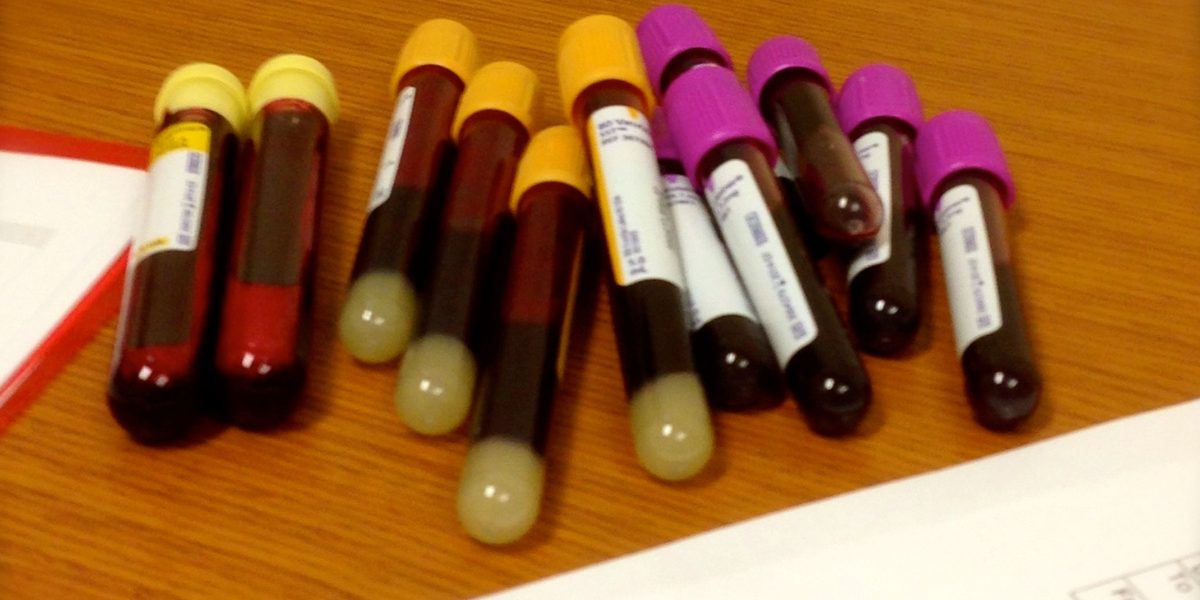
The standard test, called a lipid panel, is a simple blood draw that typically reports four headline values: total cholesterol, LDL, HDL, and triglycerides. Some panels add calculated values such as non-HDL cholesterol, which is simply the total minus HDL and captures all the potentially artery-clogging particles in one number.
- Total cholesterol is a blunt summary; two people with identical totals can have very different risk pictures depending on the mix beneath it.
- LDL is usually the primary focus, with lower levels generally preferred, especially for people with other risk factors.
- HDL is viewed favorably at higher levels, within reason.
- Triglycerides respond strongly to recent meals, alcohol, sugar intake, and body weight, and your provider will note whether you fasted before the test.
Exact target numbers depend on your age, family history, blood pressure, smoking status, and other conditions, so the same LDL value can be acceptable for one person and concerning for another. This is why interpreting your panel is genuinely a job for a qualified professional who can weigh your whole context, not a chart on the internet.
What Moves Cholesterol Levels
Cholesterol levels emerge from a blend of genetics and lifestyle, in proportions that vary from person to person. Some people inherit a tendency toward high cholesterol that asserts itself regardless of impeccable habits, and family patterns of early heart disease are important information to share with your provider. For most people, though, daily habits exert real influence.
On the dietary side, the strongest lever is the type of fat you eat. Diets heavy in saturated fats, found largely in fatty meats, butter, and many processed and fried foods, tend to push LDL upward, while trans fats, now largely phased out of food supplies but still lurking in some products, are worse still. Replacing those with unsaturated fats from olive oil, nuts, seeds, avocados, and fish tends to nudge the numbers in a friendlier direction. Soluble fiber, abundant in oats, beans, lentils, fruits, and vegetables, helps escort cholesterol out of the body. Beyond food, excess body weight, physical inactivity, and smoking all tilt the profile unfavorably, while regular exercise is one of the few reliable ways to raise HDL.
Everyday Habits That Support Healthy Levels
The encouraging theme in cholesterol management is that the helpful habits are the same ones that benefit nearly every other system in the body. A practical starting lineup looks like this: build meals around vegetables, legumes, whole grains, and fish; choose cooking oils rich in unsaturated fat; eat nuts in modest handfuls; and treat deeply processed foods and pastries as occasional pleasures rather than staples. A bowl of oatmeal with fruit is a quiet classic for a reason.
Movement completes the picture. Regular aerobic activity, even brisk walking on most days, supports the lipid profile and the cardiovascular system it serves. Maintaining a comfortable weight, limiting alcohol, prioritizing sleep, and quitting smoking each contribute measurably. None of these changes transforms a lipid panel overnight; levels shift over weeks and months, which is why providers typically recheck after a sustained stretch of new habits rather than days later. Patience is part of the prescription. It helps to pick one or two changes at a time, let them become automatic, and then add the next, since a sustainable half measure beats an abandoned overhaul every time. Small swaps, such as olive oil for butter or a handful of nuts for an afternoon pastry, compound quietly over months.
Testing, Follow-Up, and Working With a Professional
Because high cholesterol is symptomless, the only way to know your levels is to test them. Many adults have a baseline panel in early adulthood and then repeat it at intervals their provider recommends, with frequency increasing as age or risk factors accumulate. People with a family history of early heart disease or very high cholesterol may be advised to start earlier and test more often, and some may be offered additional specialized tests.
If your numbers come back elevated, the path forward is a conversation, not a verdict. A professional will consider your overall cardiovascular risk and discuss options, which usually begin with lifestyle changes and may include medication when risk warrants it; decisions about any treatment belong entirely in that professional conversation. Bring questions, mention supplements you take, and be honest about your habits, since the plan only works if it fits your actual life. Never stop or adjust any prescribed treatment based on your own reading of a lab report.
Final Thoughts
Cholesterol is not a villain; it is a vital substance whose traffic simply needs managing. Knowing what LDL, HDL, and triglycerides represent lets you read your own lipid panel as a story rather than a scare, and the habits that improve the story, generous vegetables, better fats, regular movement, and no smoking, are within nearly everyone's reach. Test at the intervals your provider suggests, give lifestyle changes time to register, and treat the whole subject as routine maintenance rather than drama. A few informed choices, repeated for years, is exactly how healthy arteries are built.