Motion sickness can turn a scenic drive, a ferry crossing, or a bumpy descent into an ordeal, complete with cold sweats, dizziness, and the desperate counting of minutes until arrival. If you are prone to it, you already know how thoroughly it can hijack a travel day. The encouraging news is that motion sickness is one of the most manageable travel ailments: a combination of smart positioning, simple habits, and well-timed remedies prevents most episodes, and quick action can calm the ones that slip through. Here is a complete, practical guide.
Why Motion Sickness Happens
Motion sickness is a disagreement between your senses. Your inner ear feels the vehicle's movement, accelerating, swaying, turning, while your eyes, fixed on a book, a phone, or the unmoving interior of the cabin, report stillness. Your brain, receiving contradictory signals, responds with the queasy cascade travelers know too well: unease, yawning, pale clammy skin, dizziness, and nausea.
Understanding this mismatch explains why every effective trick works the way it does. Anything that brings your eyes and inner ear into agreement, like watching the horizon, reduces symptoms; anything that deepens the conflict, like reading in a moving car, invites them. It also explains why drivers almost never get carsick while passengers do: the driver's eyes, hands, and inner ear are all synchronized around the vehicle's motion. Susceptibility varies widely between people and often changes over a lifetime, with children and some adults feeling it far more strongly than others.
Choose Your Seat Like It Matters, Because It Does
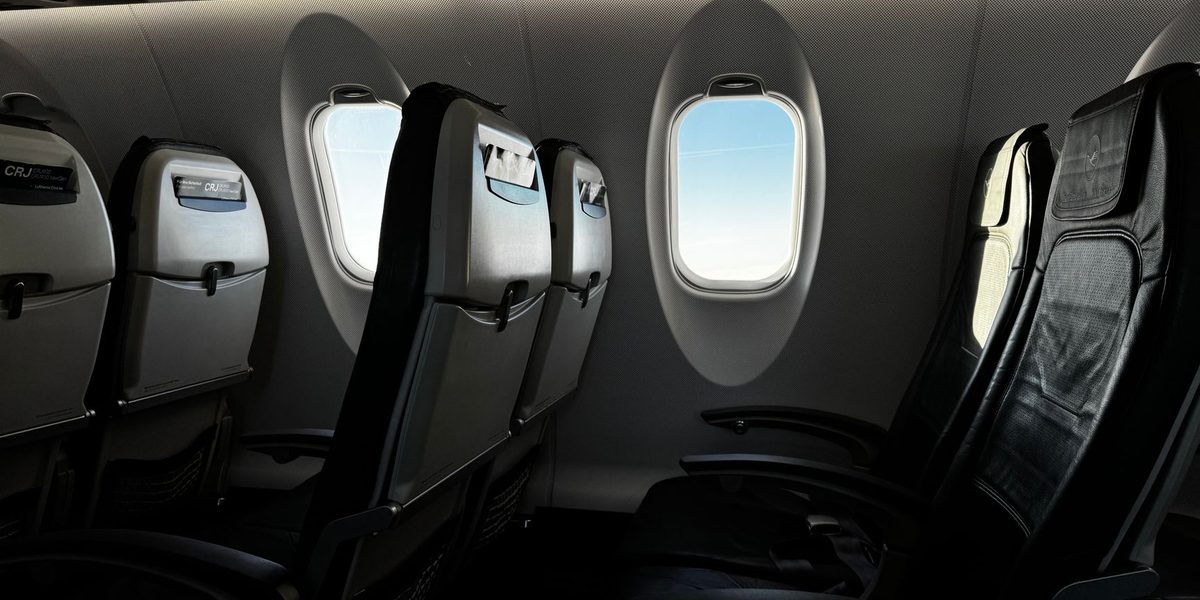
Where you sit is the single biggest motion sickness decision you make, and it costs nothing. The principle is universal: sit where motion is smallest and where you can see it coming. In a car, that means the front passenger seat with a clear view of the road. On a bus or coach, sit near the front, over or ahead of the front axle, by a window. On a plane, choose a seat over the wings, where the aircraft pivots least. On a boat or ferry, stay low and central, where rocking is gentlest, with access to a deck or a horizon view.
On trains, face the direction of travel and take a window seat. Book these seats in advance when you can, and do not be shy about asking companions to swap; most people who do not suffer from motion sickness are happy to trade once they understand the stakes. Arriving early enough to claim the right spot on unassigned transport, like ferries, is equally worthwhile.
Use Your Eyes, Head, and Air Supply
Once underway, your habits take over. The golden rule is to look at the world, not at anything inside the vehicle: fix your gaze on the horizon or a distant stable point, which lets your eyes confirm the motion your inner ear is reporting. Reading, scrolling, and watching screens are the classic triggers and are best saved for stops. If symptoms begin, closing your eyes entirely, reclining slightly, and keeping your head still against the headrest can quiet the sensory argument.
Fresh, cool air is the other reliable ally. Open a car window, point the air vent at your face, or move to an open deck on a boat. Stuffy warmth and strong odors, fuel, heavy perfume, rich food smells, all aggravate nausea, so distance yourself from them when you can. Where possible, be an active participant in the motion: drivers rarely get sick, and even anticipating turns as a front-seat passenger, leaning gently with the road, helps your brain reconcile the signals.
Eat and Drink for a Settled Stomach
What is in your stomach when the motion starts matters more than most travelers realize. Both extremes cause trouble: a heavy, greasy, or spicy meal sloshing through a winding road is an obvious mistake, but traveling completely empty also leaves many people more nauseous. The sweet spot is a light, bland meal an hour or more before departure, toast, crackers, a banana, plain rice or cereal, with gentle snacks available for longer journeys.
Hydration follows a similar logic: sip water steadily rather than gulping large amounts, and limit alcohol and heavy coffee before and during travel, since both can worsen queasiness. Many travelers find ginger genuinely settling, as tea, chews, candies, or capsules, and it is a reasonable first thing to try since it is gentle and widely available. Cold water, ice chips, and peppermint are other time-tested stomach-soothers worth keeping in reach.
Know Your Remedy Options Before You Need Them
For people with stronger susceptibility, behavioral tricks may not be enough, and planning remedies ahead of travel day is wise. Common options include:
- Over-the-counter motion sickness tablets, most of which work best taken before travel begins, with drowsiness as the usual trade-off
- Prescription options for severe cases or long sea journeys, arranged through a doctor in advance
- Ginger in its many forms, for those who prefer a gentler approach
- Acupressure wristbands, which press a point on the inner wrist and which some travelers find helpful
Talk with a pharmacist or doctor about what suits you, especially regarding drowsiness, interactions with other medications, and what is appropriate for children, since dosing and suitability differ by age. The universal rule with tablets is timing: taken before symptoms start, they work far better than when swallowed mid-crisis, so take them at the recommended interval before departure, not at the first wave of nausea.
What to Do When Nausea Hits Anyway
Even prepared travelers get caught sometimes, and the response in the first minutes matters. Act at the first hint of symptoms rather than toughing it out, because early intervention is dramatically more effective. Stop reading or looking at screens immediately, fix your eyes on the horizon or close them, still your head, and start slow, deep breathing, in through the nose, out slowly through the mouth, which has a genuinely calming effect on nausea.
Get air moving across your face, cool your skin with a damp cloth or cold bottle against the neck if you can, and try sips of cold water or a ginger chew. On a boat, move to the deck's midpoint and watch the horizon; in a car, ask for a stop at the next safe opportunity, since even five minutes on solid ground resets many people completely. If someone does vomit, treat it matter-of-factly: rinse, small sips of water, fresh air, and rest. Symptoms almost always fade once motion stops, but prolonged vomiting, signs of dehydration, or symptoms that persist well after travel deserve medical attention.
Build Long-Term Resilience
Motion sickness is not necessarily a life sentence. Exposure tends to build tolerance: sailors famously adapt over days at sea, and travelers who take frequent short trips often find their threshold rising. If motion sickness limits your life, gradual, repeated exposure to mild motion, with good habits in place, can slowly expand what you tolerate. Children, meanwhile, frequently grow out of the worst of it.
It also helps to manage the anxiety that grows around the condition, since expecting to be sick genuinely makes sickness more likely. Confidence built on preparation, the right seat, the right food, remedies in your pocket, breaks the anxious cycle. For severe, persistent cases, a doctor can discuss further options and rule out other causes of dizziness and nausea.
Final Thoughts
Motion sickness yields to strategy. Choose the seat where motion is smallest, keep your eyes on the horizon and off the screen, travel on a light stomach with water and ginger at hand, and time any remedies before departure rather than after symptoms arrive. Respond early when queasiness stirs, and let experience gradually raise your tolerance. With those habits in place, the winding coastal road and the island ferry go back to being highlights of the trip instead of things to dread.