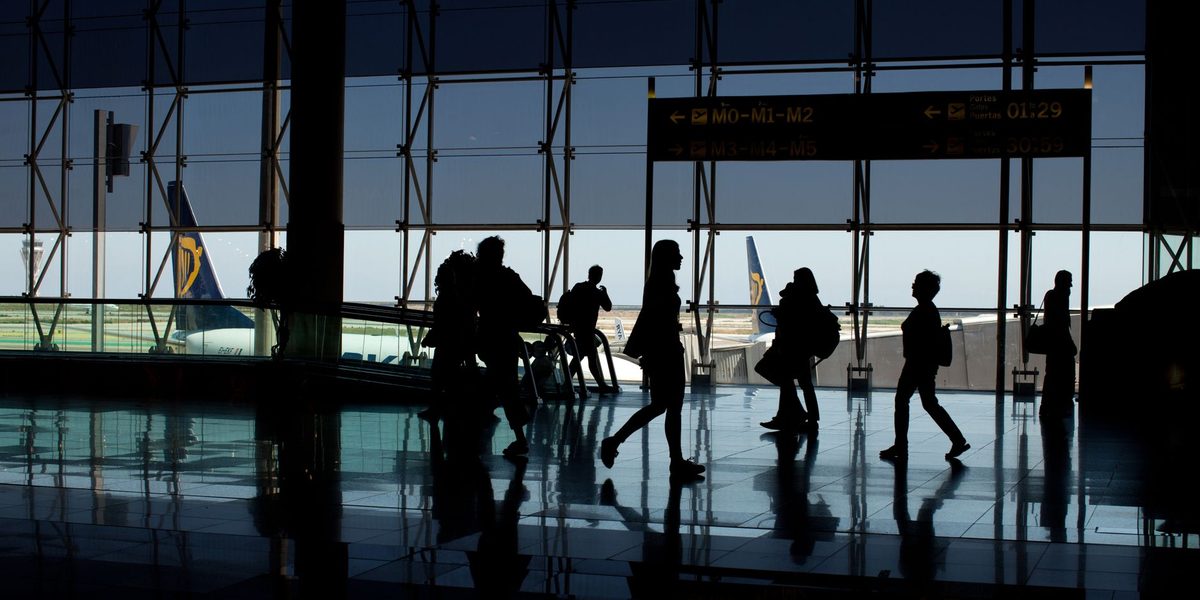
Airports are engineered for many things, but your health is not one of them. The default airport experience is a chain of lines and chairs, punctuated by food courts built around speed and salt, with stress humming underneath the whole operation. Travelers often treat the terminal as a lost zone where normal habits do not apply, then board their flight overfed, under-moved, and wound tight. It does not have to go that way. The airport hours are genuinely usable, and a few deliberate choices turn them from a health liability into a neutral or even positive part of the journey.
Eat Before You Leave, or Pack Your First Meal
The strongest airport food strategy begins at home. A proper meal before departure means you walk past the food court as a browser rather than a hostage, and hunger never makes your decisions for you. If your timing makes a home meal impossible, pack one: sandwiches, cut vegetables, fruit, nuts, and similar solid foods generally pass through security without issue, while liquids and gels do not.
Packed snacks carry you through delays too, which is where airport eating usually goes sideways. A two-hour delay with nothing in your bag funnels you toward whatever is open, which late in the evening is rarely the good stuff. A small stash of nuts, dried fruit, protein-rich snacks, and a piece of fresh fruit gives you options no gate change can take away.
Navigate the Food Court With a Simple Filter
When you do buy food in the terminal, the environment is stacked toward fried, salty, oversized, and sweet, so bring a filter: look for a protein, a plant, and a reasonable portion. Most airports now have at least one vendor selling salads with grilled protein, grain bowls, yogurt with fruit, soups, or sushi, and the better kiosks stock boiled eggs, fruit cups, and hummus packs.
- Scan the whole food hall before committing; the first option you see is rarely the best.
- Favor grilled over fried and tomato-based over cream-based when choosing among similar items.
- Treat enormous portions as two meals and save half for the flight.
- Go easy on heavy salt right before flying, since it compounds the dehydrating cabin to come.
None of this requires perfection. A decent choice made quickly beats an agonized perfect one, and one indulgent airport meal will not define your trip. The goal is simply to stop the terminal from choosing for you.
Rethink What You Drink in the Terminal
Hydration is the quiet half of airport nutrition. Bring an empty reusable bottle through security and fill it at a fountain or filling station on the far side, then keep sipping through the wait, because you are about to board some of the driest air you will ever breathe. Arriving at your seat already hydrated is a head start no beverage cart can match.
The terminal's other liquid temptations deserve a moment of thought. Giant sugary coffee drinks and smoothies can carry a full meal's worth of sugar, and pre-flight alcohol, while traditional, dehydrates you ahead of a dehydrating flight and can make sleep on board shallower rather than deeper. If a relaxing drink is part of your travel ritual, keep it modest and pair it with water, or save it for arrival.
Use the Terminal as a Walking Track
Here is the reframe that changes airport time most: the terminal is a long, climate-controlled, perfectly flat walking course, and you are about to sit motionless for hours. Every minute on your feet before a flight is an investment in how you feel during and after it. Once you know your gate and have time in hand, walk the concourse end to end instead of settling into a chair, and treat the distance as a feature.
Skip the moving walkways and escalators when you can take the regular floor and stairs. Choose a bathroom or coffee stand a few gates away rather than the nearest one. Travelers with long layovers can log a surprising amount of easy distance this way, offsetting a chunk of the day's sitting while the departure boards keep them perfectly informed. Some larger airports even post marked walking routes or house small gardens, art corridors, and observation decks, which turn the laps into something closer to a stroll with scenery than a chore.
Sit Well When You Do Sit, and Sneak In Mobility
Some waiting is unavoidable, and how you wait matters. Gate-area slouching over a phone, shoulders curled and neck craned, pre-loads exactly the posture the airplane seat will force on you next. Sit back in the chair, keep your bag off your lap, and change positions often. Standing at the gate for part of the wait is entirely acceptable and quietly beneficial.
A little unobtrusive mobility work fits anywhere: slow shoulder rolls, gentle neck rotations, standing calf raises while you wait in line, a quiet hip flexor stretch beside your luggage, ankle circles while seated. Nobody notices, and your body boards the plane looser than it would have. Frequent flyers with back trouble often credit these small pre-flight rituals with changing how they land.
Manage the Stress Layer Deliberately
Airport stress is real and physical: tight timelines, security friction, crowds, noise, and uncertainty push your system toward tension that follows you onto the plane. The cheapest fix is time. Arriving with a comfortable buffer converts the entire experience from a race into a stroll, and the health value of that conversion is easy to underestimate.
Beyond the buffer, small practices help. Slow breathing, long exhales especially, settles the nervous system while you stand in any line. Stepping away from crowded gate clusters to a quieter stretch of terminal lowers the sensory load. Downloading entertainment, checking documents, and organizing bags the night before removes the frantic edge from the morning. Stress management at the airport is mostly subtraction: removing rush, clutter, and unknowns one at a time.
When a delay does hit, treat it as found time rather than theft. A delay with a charged phone, a full water bottle, snacks in your bag, and a long concourse to walk is simply a slower afternoon, and travelers who reframe it that way board in a measurably better mood than the ones pacing the gate desk.
Set Up Your Future Self for the Flight
The final airport job is staging the flight itself. Fill the water bottle one last time before boarding. Keep your snacks, moisturizer, lip balm, and any medications in the small bag that goes under the seat, not the one destined for the overhead bin. If it is an overnight flight, consider a light meal in the terminal rather than a heavy one on board, giving your digestion a chance to wind down before you try to sleep.
A last lap of the concourse and a visit to the bathroom just before boarding means you start the flight comfortable, hydrated, and already ahead of the passengers who spent the same two hours slumped in a chair with a fried combo meal.
Final Thoughts
The airport does not have to be a dead zone for your health. Eat before you arrive or pack real food, apply a simple filter to terminal meals, keep water flowing instead of sugar and alcohol, walk the concourse like the free track it is, sit and breathe deliberately, and stage your bag for a comfortable flight. Each choice is small, but strung together they hand you to your destination in noticeably better shape, and they cost nothing except a little intention between check-in and boarding.