Trying new food is one of the great joys of travel, and nobody wants to spend a trip hiding in a hotel room with an upset stomach. The two goals are not in conflict. Travelers who eat adventurously and stay well are not just lucky; they tend to follow a handful of simple habits that dramatically lower their odds of trouble. You do not need to live on packaged snacks or avoid every market stall. You need a working sense of what makes food risky and a few easy rules that become second nature after a day or two.
Understand What Actually Makes Food Risky
Most travel-related stomach trouble comes from food or water carrying unfamiliar microbes, often introduced through handling, washing, or storage rather than the ingredients themselves. That distinction matters. A sizzling skewer straight off a charcoal grill can be safer than an elegant salad, because thorough cooking kills most of what might make you ill, while raw produce rinsed in questionable water carries everything along for the ride.
Temperature is the simplest signal to read. Food served piping hot, cooked fresh in front of you, has been through a process that neutralizes most risks. Food that has been sitting out at room temperature, on a buffet or a display tray, has been doing the opposite: giving anything present time to multiply. When in doubt, favor hot and fresh over lukewarm and waiting.
Follow the Crowds, Especially the Local Ones
A busy food stall is running a natural turnover system. High demand means ingredients are bought fresh, cooked quickly, and never linger. A quiet stall with the same food sitting since morning offers no such guarantee. When choosing between vendors, the line of local customers is often the best food safety inspection you will find.
Locals also know which places have reputations worth protecting. A stall that has fed the same neighborhood for ages survives because it does not make people sick. Ask your accommodation staff where they eat on their day off; the answer is usually both safer and tastier than anything aimed at tourists.
Be Deliberate About Water and Ice
In many destinations tap water is perfectly fine, and in others it is the single most common source of traveler illness. Find out which situation applies before you arrive, and when the answer is unclear, treat tap water as off limits for drinking, brushing teeth, and rinsing anything you will eat raw.
- Choose sealed bottled water and check that the cap is intact before paying.
- Remember that ice is water; skip it unless you know it was made from a safe source.
- Hot drinks like tea and coffee are generally safe because the water has been boiled.
- A reusable bottle with a built-in purifier can cut plastic waste on longer trips.
The tooth-brushing slip is the one that catches careful travelers. Keep a bottle of safe water by the sink as a visual reminder, because habit will send your toothbrush under the tap before your brain catches up.
Handle Raw Produce With the Classic Rule
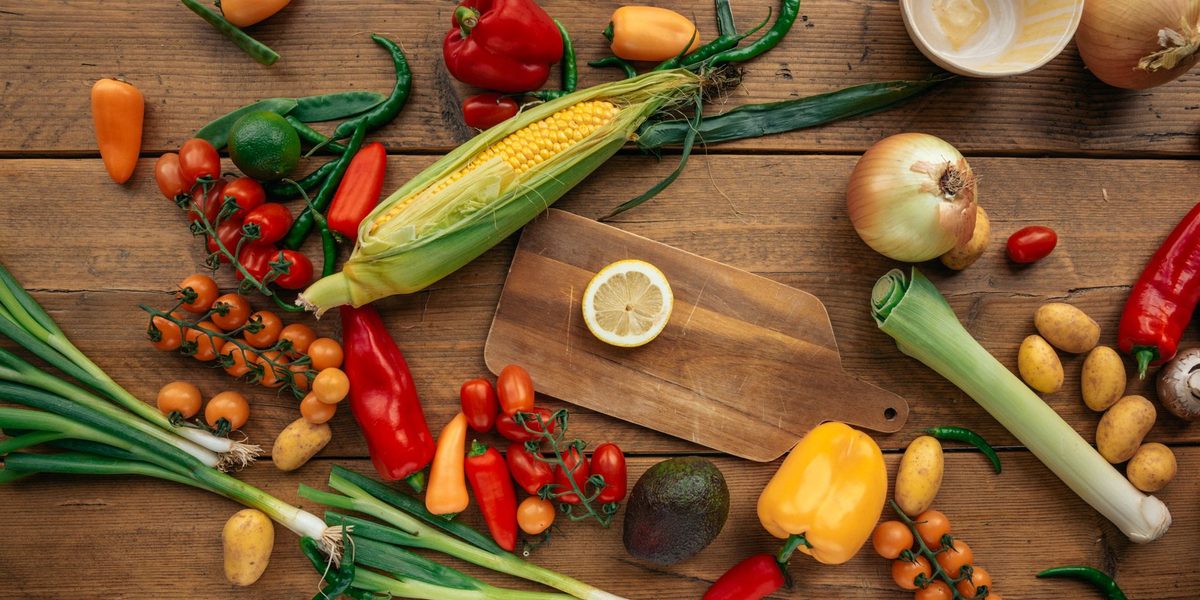
There is an old traveler's saying worth keeping: cook it, peel it, or leave it. Fruit you peel yourself, like bananas, oranges, and mangoes, arrives with its own protective wrapper. Salads, berries, and anything with edible skin washed in local water carry whatever that water carried. In places where the water is questionable, this one rule removes a large share of the risk from your plate.
This does not mean produce is forbidden. Cooked vegetables are fine, peeled fruit is fine, and produce you wash yourself in purified water is fine. The caution applies specifically to raw items prepared out of your sight in places where water safety is uncertain.
Approach Meat, Seafood, and Dairy Thoughtfully
Animal products reward extra attention because they spoil faster and carry higher stakes when they do. Order meat cooked through rather than rare when you are unsure about handling and refrigeration. With seafood, freshness is everything: coastal towns with busy fish markets are a better bet than inland spots where the catch has traveled far. If a seafood dish smells strongly fishy rather than clean and briny, send it back without apology.
Dairy deserves a quick check too. Pasteurized milk, yogurt, and commercially made ice cream are generally safe. Unpasteurized products and soft items sold from unrefrigerated carts are a bigger gamble. Hard aged cheeses are among the safer choices because their low moisture makes them inhospitable to trouble.
Keep Your Own Hands in the Equation
Travelers often focus entirely on the food and forget the hands delivering it to their mouths. You spend travel days touching handrails, door handles, currency, and shared menus, then eating with those same hands. Washing with soap before meals is the single cheapest protection available, and a small bottle of hand sanitizer covers the moments when a sink is nowhere in sight.
This habit matters most with handheld foods like flatbreads, wraps, and street snacks, where your fingers touch every bite. It takes ten seconds and removes a route of exposure that no amount of careful restaurant selection can fix.
Ease Your Stomach Into a New Cuisine
Even perfectly safe food can unsettle a digestive system meeting it for the first time. New spice levels, unfamiliar oils, different fiber loads, and disrupted meal timing all ask your gut to adapt quickly. Give it a fighting chance by ramping up gradually: start with milder dishes the first day or two, keep portions moderate, and stay well hydrated, especially in hot climates where you are losing more fluid than you notice.
Jet lag compounds the challenge, since your digestion runs on an internal clock just like your sleep does. Eating enormous rich meals at what your body believes is three in the morning is a recipe for discomfort no matter how clean the kitchen was. Lighter meals for the first couple of days let both clocks catch up.
Know What to Do If Trouble Strikes Anyway
Despite good habits, sometimes a meal wins the round. Most mild cases pass within a day or two, and the priority during that time is fluids: water, oral rehydration solutions, clear broths, and weak tea help replace what you are losing. Bland, simple foods like rice, bananas, and plain bread let your system settle without extra work.
Pack a small kit before you leave, including oral rehydration salts and any remedies your doctor or pharmacist recommends for your destination. Seek medical care rather than waiting it out if symptoms are severe, include a high fever or blood, last more than a couple of days, or involve signs of serious dehydration. A local clinic visit is a far smaller disruption than pushing through a worsening illness, and a travel medicine professional can advise you before the trip on exactly what warning signs matter most.
Final Thoughts
Food safety abroad is not about fear or blandness; it is about stacking a few easy habits in your favor. Eat food that is cooked hot and served fresh, follow the local crowds, respect the water and ice question, apply the peel-it rule to raw produce, and keep your hands clean. With those basics running automatically, you are free to say yes to the night market, the hole-in-the-wall kitchen, and the dish you cannot pronounce, which is exactly the point of traveling in the first place.